If you have a teenage driver, you might think seriously about limiting the number of teen passengers they’re allowed to drive with, or prohibiting them altogether. A recent  study conducted by the AAA Foundation for Traffic Safety shows that teen drivers are much more likely to engage in risky driving when other teens are in the car.
Because auto accidents are the leading cause of death for teens, the study was released during Teen Driver Safety Week (Oct. 14-20). The research reveals that the risk of an accident for 16- and 17-year-old drivers directly corresponds to the number of teens in the car.
In that age group, the incidence of speeding rose 14%, from 30% with no passengers to 44% with two or more passengers.
Late-night driving between the hours of 11 p.m. to 5 a.m, during which the rate of accidents rises significantly for teens, increased from 17% with no passengers, to 22% with two passengers, and 28% with three or more passengers.
The incidence of driving and drinking rose as much as 5% when the teen behind the wheel had two or more teenage passengers.
Because teen driving poses such a risk, experts are pushing for states to adopt a graduated permitting system that places restrictions on young drivers. The program would encompass three stages: a learner’s permit, intermediate/probationary license and full/unrestricted license. According to the program, learner’s permits allow drivers to get behind the wheel only with a licensed adult driver without any additional passengers. Night driving is also severely restricted. The secondary licensing stage stipulates that only person under age 20 is allowed in the car while the teen is driving, unless the person is a sibling or child of the driver. It also restricts nighttime driving. The third licensing phase is unrestricted as long as the teen driver remains free of moving violations.
Some states have already adopted this three-phase teen licensing program, and if safety experts have their way, many more will soon follow.
If so, you’re not only ignoring a ton of safety warnings about the dangers of distracted driving, you might soon be a lot more likely to get caught. While driving distractions 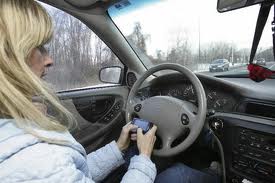 include eating and drinking, talking on the phone and adjusting your CD player, the worst offender is texting. The National Highway Safety Administration says that sending or receiving texts while behind the wheel multiplies your risk of a crash by a factor of 23. Thirty-nine states have banned texting while driving and ten states prohibit the use of hand-held cell phones altogether while driving. Nevertheless, because texting generally takes place out of the range of police visibility, it’s difficult for them to enforce these laws.
Perhaps that’s why the federal government has recently given grants to two state law enforcement agencies to research better ways to catch people who text while driving. According to Transportation Secretary Ray LaHood, the grants will “help them plan and conduct high-visibility anti-texting enforcement programs.” These programs might include stationing police with binoculars on overpasses to spot texting offenders.
The grants are the first effort at a national program to improve the ability of police to catch texters. “In order to more accurately identify and effectively stop the dangerous practice of texting behind the wheel, the demonstration grants announced today call for Connecticut and Massachusetts to develop anti-texting enforcement protocols and techniques such as using stationary patrols, spotters on overpasses on elevated roadways, and roving patrols,” LaHood wrote on his official blog.
While rate hikes depend on your state laws and insurance provider, if you get caught texting while driving, your rates might rise. Estimates show that a citation for texting would result in an increase of $58 to $74 per year for New York drivers.
While the grisly statistics about auto fatalities due to texting while driving should be enough to prevent most people from doing it, perhaps the thought of getting caught and penalized with an insurance rate hike will stop other less cautious drivers from doing it.
Currently, 38 states ban texting and driving and the number is climbing every year. Putting these laws in place is just one piece of the pie though when it comes to stopping the  deadly practice of driving while texting. Unfortunately, police officers around the country have had a difficult time of enforcing these laws. A new federal grant is providing funds for police departments to experiment with spying on motorists to help stop texting and driving.
The National Highway Traffic Safety Administration (NHTSA) announced a $550,000 grant that will allow police departments in Massachusetts and Connecticut to test out a variety of anti-texting strategies over the next two years. The money will fund everything from roving patrol cars to ad campaigns aimed at texters. The hope is to find real world practices and protocols that will make enforcement of these laws easier.
Texting while driving is a dangerous habit. It creates a crash risk that is 23 times worse than driving while not distracted. When sending or receiving a text a driver takes their eyes off the road for roughly 4.6 seconds which means a driver will cover the length of a football field at 55 mph. In 2010 there were 416,000 injuries that were caused by distracted driving and 3,092 fatalities. It’s clear that there need to be some new techniques for enforcement.
The problem lies in proving that drivers are texting rather than looking at a map or other permitted uses. While it’s true that 38 states have banned texting and driving, only 10 states have banned all hand-held cell phone use when driving. This means that in the states with a texting ban, pulling someone over for simply holding the phone does not warrant a ticket. In most of these states, officers have to witness a driver typing with their thumb to pull them over. Because of these requirements, enforcement is difficult, according to the Minneapolis Star Tribune, Minnesota police wrote a mere 1,200 tickets for texting but over 200,000 for speeding.
The grant will help cover the cost of overpass spotters who will spot and identify drivers who are typing. This type of strategy has already proven effective. In Bismarck, N.D. the local police managed to write 31 texting while driving tickets using unmarked, high-riding SUVs to look down in vehicles, catching texters in the act of typing out messages.
There are many safety groups that have called for the complete ban of cellphones when drivers are behind the wheel. Unfortunately, these proposals have not met with wide support in Congress or even at the state legislature level. There is currently no federal agency that has any control over completely banning cellphone use and there is still a debate concerning the dangers of distracted driving when compared to drunk driving and other well documented driving dangers. Despite the fact that thousands of people have died due to distracted driving, there is a good chance that enforcement consisting of police spying on drivers from SUVs is bound to experience pushback from privacy advocates. The result of this grant could affect distracted driving enforcement for years to come.
While getting a great price on car insurance is always a bonus, be sure to read all of the fine print. Like many things in life, if a deal seems too good to be true, it probably is.  When dealing with car insurance you want to make sure that you have the proper coverage and cut-rate policies will often contain surprises that you might not be aware of until you need to make a claim. While getting in an accident is never fun, adding the stress of a less than stellar insurance policy can make it even worse.
Experts advise that when comparing insurance policies shopping by price alone is a mistake. Finding a policy that offers the protection you need combined with great customer service is the best way to go.
Following are a few pitfalls that are common in low priced insurance policies:
1. Low Coverage – The best way to lower policy prices is to lower the coverage. Many cut-rate policies will only offer coverage limits that are mandated by the state the policy is being written in. States only require liability coverage and the limits are quite low. If you are at fault in a serious accident the policy limits will not cover the expenses, meaning you will be on the hook for the excess.
If your cut-rate policy only offers liability coverage, there is no protection for your car. Collision and comprehensive cover the costs to repair your car in the event of an accident, or damage caused by fire, flood, vandalism or theft. Without this coverage you will be paying for the repairs.
2. High Deductibles – Cut-rate policies often have high deductibles which can be a great way to save money, until you need to make a claim. If you are carrying a $1000 deductible be sure that you have the money put aside, you never know when an accident will happen. A high deductible can quickly get expensive if you have more than one accident in a year.
3. Limited Coverage for Repairs – If your cut-rate policy does offer collision and comprehensive there is a good chance there will be limitations. Non-standard policies often factor in depreciation, even for repairs. As an example, if a car were hail damaged, instead of covering the full amount to repair the vehicle the policy would only pay a percentage based on the depreciated value of the car.
4. Poor Customer Service – A cheap policy is no longer cheap if you cannot get the help you need when an accident happens. Slow response times, adjusters that take forever to look at your vehicle and cheaply done repairs are just a few things you may be in store for with cheap policies. Ask friends and family for recommendations when shopping for a new policy, specifically ask them if they have made a claim and how they were treated.
5. Friends Not Covered – Cheap car insurance will often exclude friends and even family members who are not listed on the policy. This can be a problem if you let friends borrow your car on a regular basis. Some of these policies will extend coverage but will drop it down to state minimums when a non-listed driver is behind the wheel, drastically reducing your protection. Since it is your car you will be on the hook if your friend gets in an accident.
Saving money on car insurance is always a good idea but be sure you know what you are getting into when it comes to cut-rate insurance.
The fall months always see an uptick in the number of auto accidents involving wildlife. Deer, elk and other animals will be making their way to their winter homes and  collisions with cars are inevitable. Accidents involving wildlife cannot only be deadly, but very expensive.
Cars hit 1 million deer each year and the damage can be extensive. The State University of New York’s College of Environmental Science and Forestry reports that the average weight of an adult deer runs between 155 and 203 pounds, this can lead to a serious accident.
According to the Rocky Mountain Insurance Information Association, every year insurers pay out over $1 billion in claims for vehicle accidents that involve wildlife. In 2011, the average amount of these claims was about $3,171, which is up roughly 2.2 percent from last year.
The good news is that there has been a drop in wildlife collisions in Colorado and Michigan, both big wildlife states. The decline has been attributed to a number of factors. Increased driver awareness, speed restrictions in high animal corridors combined with doubled fines for speeding is responsible for the decline according to experts.
While there is no guaranteed method to keep wildlife off the road, researchers have found that that on roads where at least 5 percent of the traffic is big trucks, fewer wildlife collisions occur. They claim that drivers of cars tend to be more alert when surrounded by large trucks. Roads with fewer lanes, where the median is narrower than six feet and the speed limit is above 50 tend to have less animal traffic as well.
If you find yourself on the road and confronted with an animal, experts offer the following tips:
Don’t Swerve – You will often end up driving off the road. This can lead to rolling your vehicle and your injuries will be more severe than if you just hit the animal.
Brake Firmly – Hit the brakes, hard.
Stay Straight – It’s important to stay in your lane and if necessary hit the animal straight on. Swerving into the opposing lane can end in a head-on collision with a car.
Animal Accidents and Car Insurance
When it comes to wildlife accidents, the comprehensive portion of your policy covers the damage. If you are carrying a bare bones policy that simply offers liability coverage  you will be on your own when it comes to the repair bills. State minimums do not require comprehensive so if you are carrying state insurance minimums you will not be covered.
Comprehensive coverage protects you from damages that are caused by incidents other than collisions. It offers protection from vandalism, theft, fire, flooding as well as damage caused by collisions with wildlife or other animals.
While comprehensive is an add-on to a standard policy, it only makes up about 10-15 percent of the total premium according to insurance experts, making the coverage it provides well worth the cost. As an added bonus most claims against the comprehensive portion of your policy will not result in a rise in your premium.
If you do end up swerving and miss the deer but manage to hit the tree by the side of the road, you will need to make a claim under the collision portion of your policy. Despite the fact that the deer started the chain of events that ended with your crash, unless you actually hit the animal, comprehensive will not offer protection.
When filing a claim that involves an animal strike, it is a good idea to get a police report, as many insurers will ask for one. While not always required, it is best to have one just in case.
Getting into an accident with wildlife can be both frightening and expensive but the right insurance coverage can make sure you and your car are protected.
Sky high gas prices mean drivers want to get every drop of firepower out of their gas tanks. Even drivers of hybrid vehicles look for ways to put the squeeze on their already  limited petroleum consumption. All of this is good news for a relatively new technological development in the eco-car market, ‘green tires’. The tires hit the road several years ago, with promises that they’d reduce gas consumption by as much as 7%. But the low rolling resistance tires, as they’re officially known, have raised safety concerns because they’ve sacrificed in road traction what they’ve gain in fuel economy.
The tires save on fuel by reducing contact with the road. Less road contact means the tires skid more easily, especially in cold or wet weather. Until now, that is. The chemical company Lanxess says its new design overcomes the safety hurdle with a low resistance tire that provides excellent traction in both cold and wet weather.
The Lanxness tire is expected to gain big traction in Europe, where gas prices are often double what they are in the U.S. and finding new ways to increase MPG is tantamount to discovering the Holy Grail. As of November 2012, the EU has instituted a mandatory tire labeling system with ratings for fuel efficiency and wet weather grip. The system rates tires on a scale of A to G, and the new Lanxess tire is expected get top scores in both categories. The tire uses neodymium-based performance butadiene rubber (Nd-PBR) to increase traction, while still decreasing gas mileage. The company also says the tires are much more durable than previous low rolling resistance models, although durability isn’t a factor the new EU rating system takes into account – yet. Marketing gurus predict that eco-tires will capture as much as 80% of the tire market by 2022.
Many people hope that a similar tire rating system for the U.S. is on the near horizon, giving consumers a quick and easy way to gauge fuel efficiency and road safety when purchasing tires.
Auto insurance fraud is becoming a huge problem across the country. Many people are getting taken advantage of because they get talked into things. There are fraudulent car insurance agents out there who want to use scams to get money from drivers. The scams are relatively simple but they are happening in many states on both coasts.
It is the law in most states that drivers have to be insured. With so many people having to pinch pennies, this has created an environment where people can get hustled because they want to get the cheapest auto insurance rates possible.
It is important for all drivers to make sure that they are not being scammed when they purchase car insurance coverage. For starters, it pays to do your homework and get some insurance quotes before you sign on the dotted line. If a car insurance agent is quoting you a premium rate that is a lot lower than their competitors’ then you probably are being scammed.
Make sure to inquire with your state’s insurance agency to see if the insurance agent and company that are selling you the car insurance policy is legitimate. Companies need to be licensed in the state where you live in order to sell you car insurance coverage. If they are not licensed then the insurance policy probably is a scam.
One man bought car insurance coverage from a company and three months later he was involved in a collision. He found out later that the company was a scam and that he was technically uninsured and was not only breaking the law but had no coverage so he had to pay over $25,000 for the damages that occurred due to the car accident.
If a car insurance agent sends you a letter or comes to your door then you need to make sure that you read over any materials that you are given in order to see if all of the information is accurate.
If you have purchased a car insurance policy from an agent then you should receive the insurance coverage identification card within three to five business days. If you are not mailed a card then you might have been a victim of an insurance fraud scam. If you have been taken advantage of then you can contact your state’s insurance commission and file a complaint. These fraud scams are everywhere so you need to take action to protect yourself.
There was no real concern for the pollution of automobile emissions didn’t arrive until the 1950’s and 1960’s. Essentially there was an exhaust pipe and a muffler at the end to reduce noise pollution, not air pollution. Although now common for a good fifty to sixty years, pollution wasn’t a worry.
One of the first emission control measures was the mass production of the PCV, or positive crankcase ventilation system for automobile engines. California grew rapidly in the 50’s and 60’s. Combined with their hazy, hot and humid weather, were thousands of vehicles, thus the man-made invention of smog. Since California recognized such a problem, it was the first state to mandate the use of the PCV system in 1961 and later vehicles. The process takes unburned caustic fuel fumes, and re-introduces them into the engines intake track, burning the fumes as opposed to releasing them untouched into the atmosphere. It was a fairly cost effective emission control, and soon most vehicles were manufactured with a PCV system. Again starting with California in 1966 came the first laws with regards to tailpipe, exhaust emission controls, the rest of the country followed suit in 1968. Up until the catalytic converter, once fumes were in the exhaust that’s how they were entered into the atmosphere. Vapors through the exhaust are converted to less harmful agents when introduced to the catalytic converter. There are high value minerals that help in the conversion of the toxins, such as platinum, so even they are a target of thieves. One common theme to reduce pollution is to burn any excess particulates. This is done through evaporative emissions control, and exhaust gas recirculation. With EVAP, air is drawn into a canister, pulling the vapor into the engine where it is burned off. Exhaust gas recirculation reintroduces exhaust into the engine compartment; it helps to reduce the amount of nitrogen oxide emissions. There are several other smaller components that go into the control of emissions. The onboard computer itself helps to control the efficiency of the engine to reduce waste and the creation of excess pollutants.
Since vehicle pollution is such a concern, all states have emission testing. Once more, emission testing standards were introduced in California in 1966. Tailpipe emissions are tested, with standards based on pollutants per parts per million. Emission testing is typically done once a year, standards vary from state to state, and most states do test. In Massachusetts for example it is part of the annual vehicle safety inspection.
With hybrids, ethanol powered vehicles, natural gas engines, and even nitrogen based engines, air pollution caused by automobiles may someday be a thing of the past. Fortunately gasoline powered vehicles are much cleaner than they were 40, 30, or even 20 years ago, but they still produce pollutants. As of 2007 there were 250 million vehicles on the road in the United States per the Department of Transportation, and the majority of them are gasoline powered. Until drastically low and zero emission vehicles become common, the key to less pollution is routine maintenance and the reduction of unnecessary driving, for example, don’t drive a half a mile to get a gallon of milk. It may not come in our lifetime, but automobile pollution should eventually be non-existent.
Many people text message while driving even though they should not and in some cases it is against the law. The problem with most drivers is that they overestimate their reaction time and driving skills. It is hard to pay attention to the road in front of you when you are using a mobile phone at the same time.
When a person becomes distracted for even a split second behind the wheel they become a hazard because accidents can occur. Now the act can impact your car insurance rates. A citation for texting while driving can increase your car insurance rates. Many car insurance companies are able to get information on these offenses because they are considered to be moving violations.
Statistics have found that more than three thousand people die each year because they were text messaging at the time of an accident or were involved in an accident caused by a driver who was texting. These senseless deaths are preventable if people take more responsibility for their actions.
The National Highway Traffic Safety Administration has reported that people who text while driving are 23 times more likely to become involved in a collision. This means that breaking the law and texting while driving could hurt you financially. Car insurance companies look for driving patterns when they assess risk. If a driver is getting caught texting while driving then they increase their risk.
In some situations, texting while driving can lead to catastrophic accidents. One man sent and received more than 100 texts in an hour and a half. He veered head on into traffic and caused an accident that ended up taking two lives and seriously injuring his.
The reason that many states have banned texting while driving is because they know that the act causes accidents so people who are caught by police committing the violation will look more irresponsible. A majority of offenders are not caught because it can be hard to spot someone who is texting while driving unless they are stopped at a stop light. Most people just keep their phone next to them on the seat or in the console so it can be hard to see exactly what they are doing until it is too late.
The recession has hit many people hard financially so a great way to keep your car insurance premiums low is to follow the driving laws and not get any tickets. Life is short and people need to focus more on personal responsibility.
Cold is an enemy to cars and people alike. Be prepared when driving in the winter, temperatures alone can be as harmful as ice and snow. Make sure that you are prepared as 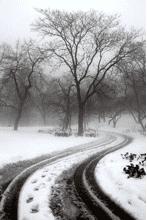 well as the car.
Even though you may be driving a few miles down the street, if it is winter, still dress accordingly. An accident or a break-down can happen two miles or 200 miles away from home. Keep clothes in your car as though you are walking in freezing temperatures and heavy snow. If a battery dies, and you have to leave or even stay in your car and are not dressed accordingly, it could be a dangerous situation. Depending on the cold and conditions, hypothermia and frost bite can come on rather quickly. It is simple enough to keep an extra coat, gloves and boots in the trunk of your car.
Preparing your car for winter is of course a little more involved. Winter takes a toll on cars. Cold can affect tire pressure, and make pressure drop, improper inflation can cause traction problems. Make sure your spare is adequate, and inflated as well, and the jack and lift are there. Snow tires can improve winter driving dramatically. All-season tires are meant to perform in the snow, but at moderate snowfall levels. In areas of heavy snow, snow tires could be a sound and safe investment. All fluids should be periodically checked regardless of the weather, but some may also need to be adjusted to fit winter conditions. Special windshield wiper fluids are available that are more combative against snow and ice. The wipers themselves should be checked for wear, and if your area is a heavy snow and ice region, special wiper blades made for wintry conditions can be swapped out. Engine oil is also susceptible to the extreme cold. In extreme cold special cold viscosity level oils can be used to prevent engine problems, as the cold can overly thicken all season engine oils. Anti-freeze should be checked and adjusted for winter driving; again there are specialty kinds of antifreeze designed for the winter cold. You should never let your car run low on gas, especially in the winter months. Gas lines can freeze if there is not enough gas in the car. Low gas levels of course can’t always be avoided, so in addition to a spare gas can being kept in the trunk; there are gas line anti-freeze additives that can be purchased as well.
Hopefully it will never happen, but there’s always a chance you could be stranded in extreme winter weather conditions. It is simple enough to keep basic survival tools in the trunk. Besides extra clothing, an extra blanket and non-perishable food and water should be available. Jumper cables are inexpensive and invaluable. A flashlight flares an ice scraper, and a small shovel should also be kept on board. Unless it’s absolutely necessary, or you are within a close distance to a safe place, do not leave your vehicle.
Winter driving doesn’t have to be too stressful as long as you are prepared.
Gas prices are high and seem to keep climbing every day. American Honda Motor Co has taken notice and is looking to take advantage of current high prices to tempt buyers to switch to alternative fuel vehicles like the compressed natural gas Honda Civic CNG by offering a $3000 fuel card. The Honda Civic is currently the only natural gas powered car being sold in the U.S to consumers.
Car buyers who take advantage of the promotion will be given a fuel card that is loaded with $3000 which can be used at compressed natural gas stations owned by Clean Energy Corp. The promotion should be welcome relief to drivers in California who are currently paying some of the highest gas prices ever recorded in the United States. According to the Daily Fuel Gauge Report the average price of regular gas in California is hitting $4.60 a gallon. These fuel spikes have been caused by disruptions at a number of refineries.
In comparison, the average price for an equivalent gallon of compressed natural gas is just $2.05 according to Honda. In California, the Honda Civic CNG is eligible for carpool lane access, which can be a big bonus for commuters spending hours a day on a congested Los Angeles freeway. The Civic CNG can go 200 miles on a full tank and can be refueled in minutes. The base price on a Civic CNG is roughly $27,000.
Proponents of natural gas believe all of these factors give compressed natural gas vehicles like the Civic CNG the leg up over pure electric vehicles as well as plug-in-hybrids. The low cost of natural gas and the longer driving range when compared to electric vehicles is a big advantage to consumers.
Despite all of these advantages Honda has struggled to convince consumers to make the leap to a natural gas Civic. While sales are up from last year, Honda has only sold 1,576 CNG Civics in the United States in the first nine months of 2012. That number reflects less than one percent of the Civics sold in the U.S. Honda has said that low sales are due to not only low production rates but also a lack of promotion when it comes to the Civic CNG.
In comparison, Nissan sold 5,200 Leaf EV’s during the same sales period.
The offer from American Honda and Clean Energy Corp is available from now until Jan 2, 2013. The only limitation is the number of cars Honda has in inventory. Currently they have a stock of roughly 1500 units waiting to be sold.
The cost of the $3000 gas card will be split between American Honda, the dealer responsible for the sale and Clean Energy, each kicking in $1000. The Civic CNG is currently available in 36 states and at 199 dealerships.
American Honda is currently offering a $3000 gas card to buyers of its compressed natural gas powered Civic CNG.
The market for stolen vehicles and their parts is more sophisticated than ever. It is not just a joy rider, or a teenager looking for loose change, it is a complex underground  operation. The sum of the parts can be much greater than the whole. The vehicle and its parts aren’t he only target, from golf clubs to GPS, thieves want what is yours.
In 2006 there were almost 1.2 million vehicle thefts, according to The National Insurance Crime Bureau. What is maddening is the absent mindedness some vehicle owners possess. Fifty percent of the vehicles reported stolen were unlocked. Fifteen percent of total vehicles stolen actually had their keys in the ignition. Valuable items such as golf clubs and GPS systems were left in plain sight. Even more baffling owners leave their wallets and purses not only in the vehicle, but in clear view. The values are staggering. Approximately $8B worth of vehicles were stolen in 2006, per the NICB. The value of contents cannot be accurately determined due to underreporting of the thefts and values that are under an insured’s deductible. We all become victims, since auto thefts make insurance premiums rise.
Prevention is the only way to combat the problem, other than moving out of Texas or California, the highest theft rate states per capita. Of course there are obvious methods for prevention. With modern technology, and keyless entry, it is no effort to lock your car at all times, even if the process is manual, take the time to secure your vehicle. If valuables have to be in your car, hide them or lock them in the trunk, don’t make the car an extra target. Don’t even show signs of a GPS or DVD system that is detachable. If thieves see the cords they are going to assume that the GPS or DVD player is hidden under a seat. Wallets and purses are no brainers as well, that is real easy money for a thief, just always take them with you, what is the point of leaving them in the car? The baffling situation of keys in the ignition I assume is somewhat part absent mindedness, but it is a bad habit and a green light go for a car thief. Alarms and auto-lock features pose some protection, but the car alarm is a common sound of suburbia and sadly gains little attention when it goes off. Lojack systems have found to be highly effective when a car is stolen. 90% of stolen vehicles equipped with a Lojack system, essentially a global positioning system on the vehicle, are recovered, compared to the 58% recovery of non-equipped vehicles.
The underground stolen vehicle market knows the stripping and selling of a car’s parts is worth more than the car as a whole, thus common, older everyday vehicles are in the high theft category. There aren’t any high end vehicles in the most stolen vehicle line-up. The NICB lists names like, Camry, Civic, Accord, and Taurus in the top ten, not dream vehicles by many peoples standards. Because the cars are so common, their parts can bring in good money, and there’s a big underground marketplace.
Prevention and constant vigilance are the only way an individual can truly fight car theft. An extreme way to also avoid it is to stay away from high theft vehicles, but these vehicles are also high theft because they are good cars. Knowledge is also power, report anything to the police and your insurance company even if it is a break-in to steal old CD’s. If it is a common problem in your town people knowing about it can prevent it and possibly catch the perpetrator. Until technology advances to a point that cars can’t be stolen, we have to be careful and educated.
It is important for drivers to understand the terminology that is in their car insurance policy. It can be confusing to learn all of the terms so let us explain several of them so that you can get a firm grip on how to handle your policy.
The first term is surcharge. Many people incur surcharges and are unsure of why they have occurred. Basically, a surcharge is an increase in your insurance premiums. It happens because of an infraction such as getting a traffic ticket or causing a car accident. You can try to appeal a surcharge if you feel that you received it when you should not have.
The second term is step down. Some car insurance companies have something called step down provisions. These are provisions that are in some policies in which if someone who is not listed on your car insurance policy gets into an accident then your liability insurance coverage will get dropped down to the state’s minimum provisions.
This can end up costing drivers a lot of money if they let someone use their vehicle when they should not have and they wind up causing an accident. It is important to know in advance if your car insurance policy has this type of provision in it.
The third term is emergency responder fee. Some cities and towns allow emergency responders to charge a fee for their services. For example, if you are in a car accident and an ambulance came to help you then they could bill you a few thousand dollars for their services.
This fee could end up being yours to pay if you have liability only insurance or have a deductible. It is important to know if your car insurance company will cover these fees so check with them in advance.
The final term is SR-22. A SR-22 is a form that drivers must get if they have are high risk driver. These are typically for people who have been arrested for DUI’s or who have been caught being uninsured or those who have caused accidents. The form basically says that they will take responsibility for being insured at all times.
When a person must get a SR-22 they have to stay insured or they will potentially lose their driving privileges. If you have been told that you have to get a SR-22 then contact your car insurance company immediately. It pays to read your insurance policy carefully. You never want to be caught off guard if an accident happens so read your policy today and speak to an agent if you have any concerns.
It is important to know the rules regarding car insurance coverage if you ever need to borrow a car. Sometimes, people have to borrow a car from a friend or family member for a few days or a week because of a car repair or other issue. One man wanted to borrow his brother’s car for a few days. His brother told him that he could borrow his car for a few days if he would help pay for the additional costs associated with adding him to his car insurance policy. He thought it was a scam but sometimes it is not.
Some car insurance policies allow people to lend their cars to others. They call the people who borrow the cars permissive users. This means that the current coverage that the brother has in place would also extend to his brother for that small period of time.
Some policies ask you to list occasional drivers as well so drivers who might need to lend their cars to someone should consider listing these individuals on their policies. Whenever a person is added to a car insurance policy, they could end up having to pay even more for their car insurance coverage. This would mean that the brother would be right in asking his sibling for money to pay for the premium rate increase.
Car insurance companies are all about minimizing their risks. They want to make sure that they are extending coverage to only those drivers that they know about. If a person tries to commit a scam such as taking out a policy for a friend and letting them use the car all the time then this is where the problem would be.
Some people with clean driving records take out insurance policies on vehicles for others and then when a car accident occurs they can say that the person was just borrowing the car at the time but this is wrong and can land people in hot water.
It is important for all people to understand that borrowing a car could become a problem for you. Some car insurance policies will only cover the people who are named in the policy itself so borrowing a car without being added could be a costly mistake to make.
For example, if the man’s brother required that he list occasional drivers and he did not list his sibling and there was a car accident then his claims might be denied. If you want to lend your car to anyone then make sure to contact your car insurance company because they will be able to make sure that you take the right steps to ensure that you will be covered.
While car insurance is supposed to cover you from unexpected events and serve as a safety net, sometimes it can leave you hanging. You may have less coverage then you think due to limitations of coverage and exclusions that you overlooked in the fine print. There can be a wide variance in what exactly is covered in policies so it is a good idea to fully understand your policy.
Experts suggest that you compare not only insurance quotes but the details of the policy as well. Getting a full copy of your policy and reading it, no matter how boring it is, can ensure you will be covered when the unexpected happens.
Following are just a few examples where coverage can slip and leave you exposed.
Using a Car For Business
The majority of insurers will deny a claim if the vehicle was being used for a business purpose. This can include things like pizza or newspaper delivery. If you are running a small business out of your home or slinging pizzas on the weekend for extra money, you are driving without coverage. This means you will be fully exposed if you get in an accident while driving for business.
If you are considering a second job or starting a small business that will take you out on the road, look into a commercial policy. This will ensure that you are fully covered.
Lower Liability
In some states, if you loan your car out to a non-listed driver your liability coverage may be “step-downed” to state minimums which are almost never enough coverage if a serious accident occurs. This can leave you on the hook for a huge claim if you let your neighbor borrow your car and they get in a crash. Even family members that are not listed on your policy as a covered driver could trigger the step down in coverage.
While state minimums vary, they are usually much lower than the average person carries and will not be sufficient in the event of a serious accident. Read your policy and call your agent if you are unsure if it includes step down liability limits, especially if you loan your car out often or have a relative coming to visit.
Uninsured Motorist Coverage Limitations
Some policies limit the amount they will pay out on your uninsured/underinsured motorist coverage. The amount that is paid from the at-fault driver’s policy will be deducted from the amount you are allowed to claim.
As an example, if you sustained serious injuries and your medical bills came in at $100,000 and the driver that hit you was carrying $50,000 in liability coverage. If you have $50,000 in underinsured motorist coverage your insurer will deduct the amount paid out by the at-fault drivers coverage meaning that they will pay you nothing, leaving you on the hook for $50,000 in medical bills.
This can be a huge problem and it is a common component of insurance policies so review the small print or question your agent if you are unclear on your coverage.
After Market Parts
While lowering your ride and adding performance parts might make you the envy of your friends, it could end up voiding your policy. Many policies have performance and add-on part exclusions which means your claim can be denied if it is determined that the car was extremely modified or the modifications had anything to do with crash. In addition to affecting your insurance coverage, these add-ons can void your warranty. Check your policy before you start modifying your ride.
There are many things that can leave you uninsured when you least expect it. Do your homework and read your policy in full. If you have any questions or don’t understand portions of it, call your agent.
The weather is going to change soon because it is now officially the season of fall.
It is important for drivers to make sure that their cars are in good working order because being stuck in the cold can be a huge hassle to deal with. It is essential to refill your windshield wiper fluid, have your tired changed or rotated, have your brakes checked, change your oil, and place sand bags or other heavy objects in your trunk for traction.Many people warm up their vehicles in their driveways.
It is a good idea for people to sit in their cars and warm them up instead of leaving them running unaccompanied in the driveway even if the doors are locked. Some people have remote car starters and think that they should use them to start their cars even when they are not around. If a police officer sees that you have left your car unattended while it is running then you could get cited because many states consider this a criminal offense. It is essential to make sure that you are prepared because when cold weather strikes you want to make sure that your car is in the best shape possible. Car thieves look for cars in the winter that have been unaccompanied by their owners.
It only takes a second to break into a car and then steal it especially when the keys are already in the ignition and the car is running. Your car insurance company can deny your insurance claim if you left your car with the keys in it and the engine running. If you have personal items in the car then those would not be replaced as well. It is a good idea to make sure that you focus on your car’s tires as well. It is important to have them properly inflated when it is cold because the cold air will make the tire pressure drop fast. In a span of seven or eight hours, a tire can lose several pounds of pressure so inflating them every day can help to prevent them from going flat.
The roads typically have a lot of salt and debris on them during the winter months so you want to consider getting winter tires with tread on them if you live in a city such as Chicago that has bad snowfall and below zero temperatures. Because it is fall it is a good time for people to go to their local mechanic and have an inspection done to see if there are any mechanical issues with their cars. It is not a very expensive thing to do and it can help to uncover any issues that could cause an accident.
Everyone has a bad day every now and then. It becomes even worse though when you make a mistake that is very hardtop rectify. One woman learned the hard way that even the simple action of gassing up her car could yield her a very bad day.
The woman unfortunately drove off with a gas pump nozzle still attached in her car’s gas tank. The instance may be very embarrassing but in all actuality it happens almost every day all across the United States. Many people become forgetful when they are filling their car up with fuel.
Many people drive for a few miles before they find out that the gas pump nozzle is still in their gas tank.
This is a costly error to make because in most cases, you will be found to be the person at fault. In this situation, the repair would cost up to $400 which means that most people would be paying their insurance deductible to cover the necessary repairs.
This has happen so much that most gas stations have hoses that detach easily. This prevents any gas from continuing with the detached hose so that fires can be avoided. The woman in question had a reasonably safe driving record at the time of her mishap and since the repair was not expensive her insurance rates did not increase a great deal.
Every car insurance company takes this kind of incident differently.
Yes, it is a careless thing to do but these things happen. It is a good idea for people to consider not filing a claim if the necessary repairs are inexpensive because it is important to protect your driving record as much as possible. This could be listed as an at fault incident so when your insurance policy comes up for renewal it could be a strike against you.
A majority of these incidents happen in New Jersey because it is the only state left where drivers usually do not pump their own gas.
Drivers often become distracted and think that the gas station attendant has completed their fill up when they have not removed the nozzle left and they just drive off once they have gotten their debit or credit card receipt. The nozzle will fall off as the car exits the gas station so many people do not see it dragging alongside or behind their vehicles.
If you do damage your vehicle this way then your insurance company will probably deny your claim. This is due to the fact that the damage was likely called by your own negligence and not another driver. It pays to be vigilant in these tough economic times because even one mishap can raise your insurance rates.
Car insurance fraud is becoming more and more common which is a huge problem in today’s day and age. Some criminals try to stage accidents which is allegedly what one Texas man recently did. The story that the man gave three years ago was that he had crashed his very expensive Bugatti car because he had dropped his cell phone while driving and became distracted.
Allegedly a pelican landed in the road and he served to avoid it and ended up crashing his one million dollar luxury vehicle into a lagoon. He filed a car insurance claim after the incident to recover compensation for his financial losses.
The accident took place more than three years ago but the story is making news once again because his car insurance company has alleged that the man committed car insurance fraud to collect the money from the insurance policy.
The one problem with having a rare car is that other drivers become interested in you. The accident was recorded on video tape and people even posted the video in its entirety on the popular website Youtube. The man allegedly had taken out a car insurance policy worth more than two million dollars on the vehicle less than a month before the car swerved into the lagoon.
The Youtube video has become evidence for the man’s car insurance company.
They have stated that there was not a pelican located anywhere near the road or the vehicle before the car swerved off of the road and landed in the lagoon. The insurance company has stated that they think that the man needed quick cash so he decided to crash the car on purpose to collect the money and run.
The case will go to trial soon. The insurance company has alleged that if the man would have braked that the incident could have been avoided. The driver was handsomely rewarded for his losses. The car was insured for more than double its value so that would mean that the man would have walked away with over one million dollars in profit.
It can often be hard to prove insurance fraud when there is not a long paper trail.
Typically, the crime involves staged accidents where people are trying to collect money for fraudulent medical claims. This man just wanted the money from the car and did not allege that he was injured after the accident.
The video will be the most powerful piece of evidence in the case against him. It proves that there were eyewitnesses to the incident that were filming the vehicle as it swerved into the lagoon. It is hard to overcome this type of evidence in court so he might have to repay the money that he received from his insurance company.
Some drivers have to face the harsh reality of car insurance claim rejections. One of the worst things that can happen to a driver behind the wheel of a car besides an accident is a car theft. Every minute a car is stolen in the United States and sadly some of the time the car theft claims are denied.
One example is of a man who was driving his Mini Cooper to the beach. He stored his valuables such as his clothing, watches, and electronics in the car and left his car keys under the bumper so that he would not lose them while he went surfing. A car thief must have viewed him doing this and was able to get under the rear bumper, steal the man’s car keys, unlock the car and drive off with his vehicle.
The next day, the man went to file an insurance claim for the car theft so that he could replace the items that were in the car and the car itself.
He was shocked to learn that his insurance claim was denied. The insurance agent told him that the keys in car clause in his insurance policy was the reason that the claim had been denied.
This is a clause that is written in a lot of car insurance policies so drivers need to know about it. What the clause states is that if you leave your car keys in the ignition, in the car, or on the car itself then you can be held financially liable for the theft.
This is because car insurance companies view these actions as being negligent because they could lead to a theft. It is almost like giving the car thief the car keys and allowing them to steal the vehicle right from under your nose.
It is important for drivers to understand this so that they can make the right choices. When you will be leaving your vehicle say to go surfing then you may want to have a flotation device attached to your key chain. Many boat owners have these key chains and they are very affordable.
Another idea is to consider giving your car keys to a friend and having them hold them for you while you are surfing or doing another activity where you cannot physically have the keys on you.
Car thieves are very smart and they scope out areas where people might want to part with their car keys. This location was known for its surfing so in many cases people will try to hide their keys so that they do not lose them especially considering that many keys have computer chips in them so getting them wet is a bad idea. It is important to know what exclusions are in your car insurance policy so this never happens to you.
Drivers who are under the age of 25 can be more expensive to insure in both the United States and the United Kingdom. The UK is now deciding on whether or not they should implement new rules for younger drivers.
The statistics paint a very bleak picture. Younger drivers are 300% more likely to be involved in a car crash than their parents. This is due to the fact that many young people become distracted when they have other passengers in the car with them.
The new rules that have been proposed by car insurance companies in the country would make it so that young drivers have to study for one year to get their driver’s license. They would also have restrictions on their driver’s license for at least six months.
One of the main problems that 16 to 21 year old drivers have to deal with is the fact that they are too overconfident. They think that they know everything about driving a vehicle even though their skills are at an amateur level at best. It takes years for people to adapt their eyes and reflexes so that they can be exemplary drivers.
The additional restrictions that would be imposed mainly involve the hours in which young drivers can be on the roads. The new restrictions would prohibit them from driving between the hours of 11 pm and 4 am. They would also not be allowed to drink alcohol and they would have no passengers with them in the car for six months.
Many insurance insiders think that intensive driving courses such as those who can get a young person a week should be banned. They feel that this would allow young people to essentially cram for a driver’s test and then they would not really retain any of the content that was taught to them by their instructors.
It is crucial for young people to make sure that they have studied as much as possible with hours of driving observation so that they can become a well-rounded driver.
If a person is able to obtain a driver’s license in a meager seven days then they are more likely to cause a mistake that could end up costing someone their life.
The rules might not go over over well with drivers but it is very important to reduce the number of vehicle fatalities and accidents that happen every year. By having much stricter guidelines for younger drivers, it can help them eventually evolve into better drivers once they are over the age of 18. Education is key because if kids do not have enough time and practice behind the wheel then their bad driving habits will go undetected until it is too late to correct them.
If you’ve ever fantasized about unleashing your inner superhero, now’s your chance to do it – behind the wheel, that is. Kia Motors and comic book giant DC Entertainment  have teamed up to make eight vehicles based on the superhero characters in the Justice League. Even better, the net profits from the cars’ sales will go to the We Can Be Heroes fund helping to fight hunger in the Horn of Africa. We Can Be Heroes is a non-profit founded by DC Entertainment.
DC’s famed artist and co-publisher Jim Lee personally helped design the cars, which will be themed on eight of the Justice League superheroes, including Batman, Wonder Woman, Superman, The Flash, Green Lantern, Aquaman and Cyborg. The eighth vehicle will be a tribute to all seven of the crime fighters.
“The Justice League reminds us that when we combine our efforts with others, we can create a world of change,” Amit Desai, SVP of DC Entertainment’s franchise management, said in a press release.
The first in the series of cars, the Batman, was unveiled this week at the New York City Comic-Con. The tricked out Kia Optima SX features a sleek black hunkered-down body, 20-inch wheels, a batwing-shaped grill and an under-panel of yellow LED lights, giving it an ethereal glow befitting the ride of the illustrious crime fighter. But that’s not all – the Batman logo is etched into the HID headlights, the leather interior features more Batman insignia and your own personal Bat-suit and cowl is safety stored in the trunk so it’s handy when you need to spring into action.
Kia will use the Optima, Sorento, Soul, Sportage, Rio and Forte for the remainder of the vehicles, each with the colors and insignias of the individual superheroes. The cars will be unveiled at various comic-cons and auto shows over the next ten months. After that, they’ll be auctioned off with the proceeds funneled into We Can Be Heroes.
If snagging one of the iconic superhero cars is out of your budget, you might be able to afford one of the auxiliary items offered for sale, like a superhero license plate, emblem, or in-vehicle video display.
The Insurance Institute for Highway Safety (IIHS) recently announced that four new vehicles have been awarded their Top Safety Pick ratings for the year. These new or  redesigned models, recently introduced to the public managed to snag the top crash-test rating.
The top tier ranking means that the vehicle performed exceptionally well in test crashes that evaluate the car in simulated front, rear and side impacts. Rollover accidents are evaluated as well.
The Dodge Dart was one of the newest models to make the list. Chrysler has high hopes for this brand new vehicle. It is the first car that is jointly designed and engineered by Chrysler Group LLC, and Fiat SpA. Chrysler was happy to see that the engineering behind the Dart delivered and the car was able to receive a top rating from the IIHS.
Three other redesigned vehicles for the 2013 model year also earned the top safety rating. The Santa Fe from Hyundai, which is a crossover model, the Lexus ES 350, their midsize luxury sedan, and the XV Crosstrek hatchback from Subaru were awarded top marks in the crash tests as well.
The IIHS tested 180 vehicles for the 2012 model year and according to a recent press release, 132 were awarded the Top Safety Pick label.
A total of 73 percent of the cars tested won the top safety award but this may be the last year it’s so easy to get a top rating. Next years testing will incorporate testing of crashes that impact the front corners during the front crash test portion. This is a more demanding test which will prompt car manufacturers to create vehicle bodies that can absorb middle front collisions better.
The new testing was conducted on 11 luxury cars recently and only two models were able to earn the top safety rating.
The IIHS’s complete list will be issued in December and will list ratings for all of the vehicle models being sold in the United States. The four models specified in the press release were tested ahead of schedule upon the request of the manufacturers. Each of the new models had been introduced to the U.S market in the last several months.
Among the new models, the Santa Fe by Hyundai sold the most, moving 7,378 in September. This was a 19 percent increase over last year. It was a big improvement over August sales, which came in at 4,524. The Santa Fe has a third row and offers a roomy design that can carry tons of cargo and passengers.
Hyundai is confident that consumers will find the newer model appealing. Hyundai is hoping to sell 100,000 of the redesigned Santa Fe in the 2013 model year.
The high-end Lexus ES, which is built by the Toyota Motor Corp, sold 6,553 vehicles in September. This is an increase of 81 percent over a year ago. According to a Lexus spokesperson, 80 percent of the vehicles sold in the month of September were the brand new 2013 model.
The Dodge Dart sold 5,235 in September, which is up from 3,045 in August.
The 2013 Dodge Dart is Chrysler’s new compact car, which has been a hit with critics as being sporty, efficient as well as affordable.
In today’s economy, many people are trying to find the best and most convenient ways to save money on their car insurance coverage. Many car insurance companies are offering usage based discounts to drivers but there is a small catch involved.
In order to qualify for a discount of about 15 to 20 percent, a driver would need to plug a device into their vehicle so that they can begin to have their driving behaviors tracked by their insurance company. The discount is becoming more and more popular with consumers and many insurance companies have taken notice and have tweaked the programs so that they can use it with their own policy holders.
Some drivers have stated that this type of monitoring device violates their privacy but in all actuality it is the only way short of installing a surveillance camera that a car insurance company can see how a driver truly does drive.
Many drivers could apply for good driving or low mileage discounts and earn them while trying to game the system which is why these devices have become so popular in the insurance industry. However, some people who oppose the use of the devices do so because they can often retrieve GPS data to know the location of where a person is driving their car.
These individuals have stated that collecting all of this information about drivers could hurt them in the long run. They say that odometers can read the amount of mileage that a driver has driven and that it does not invade their privacy. Car insurance companies have stated that they want actual proof that cannot be tampered with before they will supply drivers with a discount.
The fact that thousands of drivers now are applying for usage based discounts proves that they will sacrifice their privacy in exchange for monetary savings on their car insurance premiums.
It is a good idea for all drivers to weigh the pros and cons of installing a monitoring device on their vehicle before they go ahead and request one from a car insurance company.
In today’s day and age, many people will do anything for a discount and sometimes they try to play the system. This is why the device will be installed on a vehicle for several months. This is done to get a more accurate snapshot of the driver’s behaviors. Drivers should be aware that their discount will be given based on a general assessment so changing your driving behaviors is a waste of time. Most insurers expect hundreds of thousands of more policy holders in search of these usage based discounts in the next few years.
One little device can send a car insurance company a great deal of information. For example, how hard a person brakes, how many times they were driving later than midnight, and how many miles have been driven.
Election Day is in about one month and California drivers will have to decide whether or not they want Proposition 33 to be passed. This would make drastic changes to the ways that car insurance companies can calculate their insurance premium rates.
Each driver has a car insurance history and this proposition if it were passed and enacted would allow car insurance providers to access this information and use it to determine risk and calculate rates. This could be bad for drivers who have had any car insurance lapses.
If you are a driver who has had continuous insurance coverage for longer than five years then you will receive a discount and be able to save money. However, other drivers such as those who are poor or younger will likely have to pay much more for their insurance coverage.
Many people have lapses in their insurance coverage. For example, many college students will have lapses in their coverage due to the fact that they often use public transportation while they are away at school in order to save money.
The Proposition does have exclusions in place so that unemployed workers, members of the military and drivers under the age of 18 who live with their parents do not suffer any penalties. Some drivers who are in favor of the proposition have argued that the measure would financially reward people who have consistently done the right thing by remain insured for several years.
Car insurance executives have stated that the discount is portable so that drivers can take it anywhere in the state so this will create more incentives for car insurance companies to reduce their premium rates. A continuous coverage discount could help many drivers in the state reduce their monthly premiums and in today’s economy every dollar is important.
Others who oppose the measure have stated that the practice could hurt the car insurance market. They say that it will force younger and poorer drivers to break the law and drive while uninsured. They have also stated that the insurance executive who has spent millions of dollars on supporting the measure would never have done so if the proposition was only to help save people money and that they want the proposition passed for self-gain.
The voters will have the final say on the matter in November. It is a good idea for all voters to read all of the information that has been written about the proposition before deciding on whether or not to vote for it. You might be insured for longer than five years straight but times could be tough and interrupt the coverage so you want to vote on it based on whether it will be good for all drivers not just yourself. This Proposition is almost identical to Proposition 17 which was struck down by voters in the state approximately two years before so voters really need to do their homework.

It is important for drivers to know what things will make their car insurance premiums go up. A lot of people make decisions and then do not understand why their car insurance premiums are much higher than they were six months ago. Here are several ways that you could be causing your car insurance premiums to increase without even knowing it.
The first way is by changing jobs and having a longer commute. In this economy, many people have lost their jobs so they are quickly having to find jobs to make money regardless of their locations. The longer that you are in your car driving it the more money you will have to pay for your insurance coverage so even adding ten minutes extra to your commute can cost you a lot of money in premiums.
The second way is by buying a new car. The longer you hold onto a vehicle the less money you will pay for your car insurance coverage. This is due to the fact that cars depreciate in value as soon as they leave the lot.
Make sure that the model of car that you buy is not one that is riskier to insure. For example, Civics are often stolen by thieves because they are easy to strip down for parts. Most people think that if they avoid buying cars that can attain high speeds that their car insurance premiums will be very low but this is not the case. The number of thefts that occur with your model of vehicle also plays a huge role in your premium rates.
The third way is by moving to a new location. If you say move to the next town or city over then you could be increasing your insurance rates. This is because each separate geographical location has its own crime rate which car insurers will use to assess the risk that is posed by having a vehicle parked there.
The fourth way is by allowing your coverage to lapse. If you have allowed your coverage to lapse then this throws up red flags to your car insurance company. If you have allowed your coverage to be cancelled and did not get insured again for a month or more then your mistake will cost you a lot of money down the road.
This is due to the fact that insurance companies want to protect them financially from drivers who may cancel their insurance policies to save money and just keep the insurance identification card.
The fifth way is to get some traffic tickets. If you are caught speeding or commit any other traffic offense then you will see much higher premium rates because you are exhibiting risky behaviors that could damage or total the car that is being insured which insurers do not like.
Every driver who is over the age of 18 has a credit score. Now by law, most of the 50 states allow for car insurance companies to use a driver’s credit score when they are underwriting an insurance policy. It is important for all drivers to understand how car insurance companies utilize their credit score.
Your credit score will show the level of responsibility that you take with your finances.
Yes, many people are behind on their monthly bill payments right now due to the ad economy right now. However, car insurance premiums have to be paid on time each month in order for the company to have enough money in the pool to pay out their claims so your score does mean something to them. The higher your overall credit score is the lower your car insurance premiums will be.
It is important for drivers to know that a change in the wrong direction with your credit score will never cause your car insurance policy to be cancelled. Insurers are also barred from using the score to deny you the ability to become insured with their company.When your car insurance policy comes up for renewal, your insurance company can examine your credit score again. For example, a state such as Michigan uses the score when determining if a premium rate increase is needed if a person has a credit score that has dropped significantly.
Each car insurance company must by law disclose to car insurance coverage applicants that their credit report will be run and that their score will impact their premium rates. The number of times that your credit history has been checked should have no bearing on your ability to get or keep car insurance coverage.
It is important for all drivers to consider making positive changes to their credit histories so that they can get the cheapest car insurance premium rates that they can. If you currently have car insurance coverage then you might not want to switch providers until you can begin to make some adjustments in the right direction.
It is best to pay off any delinquent accounts that you have first because these will be listed under the negative items section on your credit report. If you can get rid of these items in a few months then you can increase your credit score and then begin to reduce the load of consumer debt that you carry.
It is also a good idea to make sure that you have your car loan in good standing if you have one. If your car insurance company sees that you are not paying your car payments on time then they might not think that you will pay your insurance premiums on time as well.
Insurance coverage for a classic or antique car is not as hard to get and expensive as one would think. Even an exotic Lamborghini’s insurance isn’t as relatively high as its  price tag. Modified but street legal automobiles can also be covered with some limitations.
A classic car is defined as typically a car 20-24 years old. You may be driving a 1990 Yugo with 200,000 miles on it, but the intention of the classic car policy is to classify older cars that have been restored and have a higher than most older cars value. A Corvette is a typical example as a classic car, not too old, but most are kept in good condition, and are sought after by car enthusiasts.
An antique car is typically 25 years or older. A familiar and obvious example of a classic car is a 1957 Chevy. Again, sought after by collectors, and kept up well by their owners. Being anything over 25 years old, this classification runs the gamut from 1963 Corvettes, to 1912 fire engines, typically used in parades. The owner is not expected to drive their antique car to and from work.
Custom cars too have a home for insurance. Although a car may have been born a 1995 Camaro, and may have been modified heavily, such as a lowered suspension, giant tires and a heavily tweaked engine, it’s not a typical mass produced Camaro any longer. As long as all the modifications are determined to be street legal, the vehicle can be classified as a covered street rod, but meant to be driven responsibly, and not raced.
Ferrari’s, Lamborghini’s and Bugatti’s all can be insured as well. Again, sought after high valued exotic cars can be classified an insured under exotic status. Limitations apply to these vehicles as well, they are not meant to be daily drivers.
What typically differentiates a run of the mill vehicle and an exotic, classic, antique or street rod with regards to insurance? The caveat in obtaining relatively inexpensive insurance for specialty classified vehicles is that there are more limitations. For example, to obtain antique status and an antique license plate in Massachusetts the vehicle must solely be used for parades and special events. Some limited travel is allowed for test drives, and to and from repair facilities. Essentially with this and all rare classes, the vehicle is meant to be driven in a limited capacity. Any type of racing or stunt driving is typically not covered. There are also significant differences on the valuation of specialty classed vehicles. The vehicle is not valued by typical blue book standards. Usually a car is appraised by an expert and an agreed value is determined. This is a more equitable way to determine the value of a well-kept vehicle. If the value was determined under typical blue book methods it would not take into consideration the restoration and care a collector instills in their rare automobile.
Of course if the diver wants to drive their unique automobile like a daily driver that can also be arranged, but the insurance costs will be much higher, since there is more mileage on a vehicle there is always more chance of a loss. Make sure your agent has access to insurance carriers that can provide affordable and adjustable coverage for specialty classified vehicles, and be sure to not pay too much.
If you thought electric motorcycles were only capable of putt-putting around town like scooters, BRD aims to put that notion permanently to rest. The San Francisco company says their all-electric racing motorcycles outperform their gasoline powered rivals in motorcross competitions. BRD’s high-speed bike, called the RedShift SM, is a performance monster that goes far beyond just being a cool green machine, according to company reps. To that end, it appeals more to bike racing enthusiasts than eco-consumers who are concerned about reducing carbon emissions and breaking free of gasoline dependency.
BRD, which promises to do all of its manufacturing in the U.S., aims to be to performance motorcycles what Porsche is to cars – that is, maker of lean, mean, sexy machines. For motorcycle racers on the competitive level, the RedShift SM can slice a second off of their race time, making the difference between winning and losing, claims BRD backer Mike Donoughe, who formerly held executive positions at Chrysler and Tesla Motors. BRD announced that it has recently received a big vote of confidence, having just gotten a cash injection of over $800,000 from angel investors from a variety of industries.
The bike weighs 250 pounds, has 40 horsepower and can travel 50 miles on a single battery charge. It’s expected to be released to the market sometime in 2013 at a price of $14,995 for the motorcross version and $15,495 for the supermoto version. BRD claims it will be the fastest street-legal motorcycle on the market, gas or electric.
The RedShift’s battery is fully rechargeable in four hours and is able to use a public EV charger station. It can also be plugged into a standard 120-volt wall charger via its charging station.
Many people have to travel out of state so they have to rent vehicles so that they can get around. Most people are familiar with the conversation at the car rental desk with the representative where they ask if you would like to purchase rental insurance coverage. Most drivers think that this type of insurance coverage is a scam and is unnecessary but in actuality there are many valid reasons as to why drivers should purchase that additional insurance coverage.
The coverage may seem like a scam but paying an extra 10 to 25 dollars per day could save you hundreds or even thousands of dollars if you are in a car accident while driving the vehicle. Most people use car rentals to drive long distances to places that they might not be very familiar with. This can be a recipe for a disaster because often car rentals can be involved in accidents or end up getting stolen while they are being used.
Even if you have liability coverage on your personal vehicle it may not have enough coverage on it to cover your medical bills if you are hurt in an accident. The personal accident insurance coverage that you can buy can help to ensure that all of your medical bills get paid. In today’s economy, where one injury can have more than $100,000 in medical bills alone it pays to be prepared.
It is important if you will be using your own insurance coverage to ask your insurance agent about time period limitations. In most cases, if you are driving a rental for longer than 30 days then the coverage will not be valid anymore because it can be seen as your primary vehicle.
It is important to have the rental coverage especially if you are not the best driver. One man crashed his rental car and was seriously injured and did not have the coverage and the rental company tried to get him to sign a statement saying he would pay for all of the damages but he did not and luckily his own car insurance company paid the bills. Not everyone is this lucky so it pays to have more than enough insurance on your rental car.
It is a good idea for all drivers who have credit cards to contact their credit card companies to see if the companies have rental insurance coverage as one of their provided benefits. It is a great way to save money and have the coverage already in place.
If the rental car has been badly damaged in the collision then drivers could be in trouble while the vehicle is in the shop. When you sign a car rental agreement, there is something called loss of use mentioned. This means that for every day the car cannot be used while it is being repaired that you will be charged for what the rental company would have made off of its use.
Person-to-person car sharing is a concept that’s become increasingly popular in large metro areas. On the surface, it seems like a great idea for car owners whose vehicles are sitting unused most of the time to rent them out to people whose occasional need for a car doesn’t justify owning one. The car owner makes a few bucks in the process and the renter gets a car when the need arises. Plus it’s a nice eco-concept that ultimately puts fewer cars on the road. The concept is so popular that the car sharing company RelayRides, which has received financial backing from General Motors and Google Ventures, has just gone national. Other car sharing services include Getaround, Wheelz and JustShareIt.
Auto insurers, however, are anything but thrilled that their customers are renting out their cars to strangers. Even though the auto sharing companies provide owners with additional insurance, insurers say it might not be enough to cover the cost of an accident. Some are going as far as stating that they’ll cancel the policies of owners who rent out their cars via these programs.
Backing up insurer’s concerns about liability is the Massachusetts case of a woman who rented out her car through RelayRides. The driver of her car veered into the wrong lane, resulting in a head-on collision which killed him and injured four people in the other vehicle. While RelayRides provides $1 million of liability coverage per accident, plus damage coverage to replace the vehicle, the claims of the injured parties are expected to exceed $1 million. Who’s responsible for the additional liability? The owner of the car or the owner’s auto insurer? Both? The truth of the matter is that since an occurrence like this hasn’t happened before, no one knows. It’s likely that this conundrum will be untangled in court, but in the meantime, it’s something for vehicle owners to think about if they’re considering making some extra cash via a car sharing service.

