In a bad economy, drivers want to be able to pinch those pennies so that they can be able to stay afloat and meet their state’s required liability laws. Car insurance savings are important for drivers to focus on. Here are some great ways to stretch those dollars in this up and down economy.
The first tip is to always pay your car insurance premiums on time each month. You can save money by having your checking or savings account information linked directly to your online insurance account so that each month the payments can be taken out automatically.
The second tip is to have the right model of vehicle. If you want affordable car insurance premiums then you will want to avoid purchasing a convertible such as a Corvette or Ford Mustang. You need to buy a reliable car such as a coupe or SUV that has received good reviews on their crash test ratings. Search online for the safest vehicles and print out a list of them when you head to the auto dealership. The more reliable and safe a vehicle is the less you will pay to insure it.
The third tip is to try to change jobs so that your commute is shorter. Low mileage discounts can be very helpful at trying to save money on your car insurance coverage. Many people do not think that changing jobs can make a difference to their finances but it really can even if you do not get a large pay increase.
The fourth tip is to consider updating your car insurance deductible. For example, if your insurance deductible is currently $500 then consider increasing the amount to $1,000 or more. The amount is what you will be required to pay only if you are involved in a collision and there are monetary damages that need to be paid for. Increasing the insurance deductible can be done at renewal time. It is important to do what you can afford to do because you want to keep in mind that accidents happen every day and that the insurance will only pay for the repairs once they exceed the deductible amount.
The fifth tip is to add your teen driver when they are over the age of 18. Many parents add their teens to their insurance policies and end up paying a lot more for their car insurance premiums. It is important to add your child when they have a clean driving record and get good grades. A majority of car insurers will give young drivers a discount for good grades so you can save yourself a lot of money by delaying the addition of a new teen driver to your car insurance.
Many of the southern states struggle with the fact that thousands of their drivers break the law and drive while they are uninsured. Alabama has decided that it has no other choice but to try to find a way to deal with the uninsured drivers in their state and now they are cracking down on the offenders.
Currently the number of offenders is at approximately 900,000 and beginning after the first of the year, it will be much tougher to break the law in the state. There will be a car insurance verification in place which will be able to notify a cop or other official in a matter of seconds if a person is in fact insured.
The technology has been tested and will be used statewide in a matter of months. This is good news for car insurance companies and their policy holders but it is very bad news if you happen to be uninsured right now. Some men and women have argued that they have to drive while uninsured because the economy is in a bad place and they cannot afford the coverage. Some argue if you cannot afford to pay your car insurance premiums then how can you pay to put fuel in your car all the time?
The state’s Revenue Department will also use the system to check random license plate numbers to try to track down people who have cancelled their car insurance policies and are no longer insured. It will also be used by clerks when people go to register their vehicles. If a clerk runs the driver’s license plate numbers and there is not valid insurance coverage in place then they will not be allowed to get new registration tags.
Drivers who are told that their car insurance coverage is not valid must produce proof that they are insured. People who do not do this can end up having their vehicle registration suspended. It can take a while to resolve an issue such as a registration suspension so it is important for drivers who live in the state to make sure that they do follow the law and remain insured at all times.
Some drivers try to find loopholes so they will just drop their coverage after they have gotten their tags. The Revenue Department knows that drivers do this which is why they will be conducting their random checks so that compliance is more likely to occur year round.
Drivers will face a fine that can be a maximum of $500 the first time that they commit the offense. Every offense after this one can result in a $1,000 fine which is a lot of money to have to pay when it is easy to get cheap liability insurance coverage.
You always use your turn signals, keep to the speed limit and have not had a car accident in years but your insurance company still won’t give you their best rate.
Why not?
While you are always safe on the road you may not have been as careful when it comes to your financial life. A bounced check or a trip to the collection agency can severely affect your credit rating, which in turn can affect your car insurance rates.
Why Do They Care?
Insurers use a wide variety of factors when setting rates for drivers. Your location, commute, type of car and your driving record are all taken into account. In addition, your credit report is considered. Insurers have discovered that drivers who have low credit scores are more likely to file insurance claims and insurance companies are not fond of customers who file claims.
Insurers claim that a credit rating is a solid predictor of risk. While it is possible to get your driving record changed or plead a DUI down to reckless driving it is very difficult to suddenly become financially responsible or change your credit rating.
Insurance companies use a FICO score. If you fall on the downside of this score it can be a big problem. A poor credit rating is not just an inconvenience, it can make life much more expensive. Loans will cost more and insurance rates can double if you are carrying a sub-prime credit score.
Is it Fair?
Consumer groups have questioned the policy of using credit ratings to determine insurance rates. Their argument is that a poor credit rating is not always an indictor that the policyholder is irresponsible or that they will be filing lots of claims. Credit ratings can plunge for many reasons which are not always related to being financially irresponsible. People get divorced, lose jobs or fall seriously ill, which doesn’t mean they are ducking their bills, they are simply going through a rough patch.
Another issue is that credit reports frequently contain errors. As stolen identities become more common, credit reports that do not accurately reflect a persons credit standing are cropping up.
Affect on Insurance
It is almost impossible to tell exactly what affect a poor credit rating will have on a person’s premium. There are too many factors that come in to play, but in most cases it will raise the rate by 10 percent at a minimum. Insurers weigh credit ratings differently, while some may use it as a primary consideration, others barely consider it. Hawaii, Massachusetts, and California do not allow insurers to use credit ratings at all when setting premiums. Currently, 26 states have a law on the books that forces insurers to notify consumers that their credit rating can affect their premium and does not allow insurers to decline coverage based solely on a credit history.
What Can You Do?
While there is not a lot you can do to immediately lower your premium due to a poor credit rating there are a few things you can do to help manage the problem.
Ask About Factors – When applying for insurance ask what factors they consider. While most will not tell you how much weight each factor is given, if you can find one that doesn’t look at credit reports or gives them a low priority switching insurers may pay off.
Fix Your Credit – If you know your credit is poor do everything you can to fix it. A bankruptcy or foreclosure typically takes 4-7 years to clear off your report but minor issues can be resolved in a year or two.
Check Your Report – Monitor your credit rating on a regular basis and check it carefully for errors. Credit agencies are required by law to investigate disputed items. Errors are more common than most people imagine.
A recent study from research firm GFK Automotive found that Americans who are intending to buy a car in the next year are considering small cars in bigger numbers than 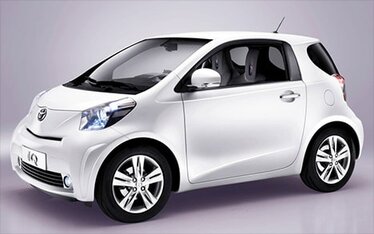 ever before.
According to the survey, Generations X and Y make up the majority of people considering a new car in the near future. A total of 63 percent of these Generation X and Y drivers are thinking about buying a new car, which is an increase of 8 percent over last year.
The age range of prospective car buyers in the near future runs from 23 to 47 years old. When it comes to small cars, members of Generation Y were the most likely to buy one. Gen Y consumers, which are made up of people born between 1980 and 1989, were much more likely than any other age groups to purchase a small car. A total of 29 percent were considering buying one in the next 12 months.
Surprisingly, the next generation that is seriously considering a small car is the pre-baby boomers, which is made up of drivers born prior to 1946. Roughly 20 percent of this group is seriously interested in a small car.
What Gen Y’s Are Looking for in a Car
Part of the study asked consumers from every age group to rank over a dozen vehicle attributes which were important to them when considering a new car. According to the study Generation X and Y have widely different tastes when it comes to cars than baby boomers and pre-baby boomers.
As an example, Gen Y and Gen Xers are much more concerned with how “exciting a car is” with Gen Y making it the 7th most important priority. It ranked 21st with older age groups. Gen X and Y were also very concerned with “technologically advanced features”, with both generations ranking it as the 12th most important features while old school drivers ranked technology 22nd.
So what exactly are older drivers looking for in a new car? Comfort, handling and the ride ranked near the top of the Baby Boomers list but drops all the way down to 17th with Gen Y drivers.
While the various generations differed on many factors they also found some common ground. Excellent gas mileage was a big priority across all groups. Dependability was also a winner, coming as the top concern for Gen Y and all of the older groups but dropping to second place for Gen X drivers.
Gen Y drivers are very excited about electric vehicles. According to a recent Deloitte survey, a whopping 59 percent of Gen Y car buyers claimed they preferred an electrified vehicle. The definition of “electrified vehicle” included hybrid vehicles so while Gen Y drivers want a battery component they are not demanding a strictly electric car.
Experts claim this could be a game changer in the world of hybrid vehicles. Gen Y is currently one of the biggest segments of the car buying community and their preference for hybrids may finally move these vehicles into the mainstream.
Insurance and Small Cars
While driving a small car can be cost effective and help the environment, it may increase your insurance costs. According to the Highway Loss Data Institute (HLDI), small cars showed a higher rate of insurance claims in which occupants were injured. The Toyota Yaris registered the highest frequency when it comes to insurance claims. Out of 10 cars with the highest PIP claims, seven of them were small or mini cars.
As with any new car purchase it is a good idea to shop your insurance around before committing to a specific vehicle. Call your insurance agent for a quote on any vehicles you are considering which will help you come up with a total cost of ownership for your new car.
It can be hard to be a parent in today’s society. We live in a time where kids grow up so fast and they develop their own personalities. One problem many parents of teens is that they often think that they are adults when they really still have the minds and maturity levels of children.
When teens become around 14 they begin to become excited because they will be able to get their driver’s licenses soon. Some parents have had issues with their kids who have taken the car without asking for joy rides and landed themselves in legal and financial hot water.
When a child no matter what their age steals the keys and drives away they are putting their parents in jeopardy regardless of whether they know how to drive or not. For example, one mother went for her daily walk and returned home to find that her Range Rover had been stolen from her driveway. She looked inside of her purse at home and found that her 15 year old son had stolen her keys and had taken her car without asking. She immediately called her police but it was too late and her son had already been involved in a collision a few miles away.
The boy had no driver’s license and due to his age and not having a license he had not been listed as a household member so he was not covered by the woman’s car insurance policy. In total, the boy causes over $250,000 in medical bills and over $40,000 in property damage. The mother’s car insurance company stated that they would not cover any of the claims because the car had been taken by the boy and he caused the car accident to occur.
Parents need to educate their kids on the fact that driving is a privilege that takes a lot of maturity and responsibility. Most teens think that once they have taken driver’s education classes that they know all of the rules of the road and that is enough to get them through the rest of their life.
It is important to keep your car keys out of sight because teens are very smart and they can take them at any time and go for a little joy ride. Teens are very impulsive at times so they might not understand it but it is a form of protection not only for you but for them as well. Every year thousands of teens die in fatal car crashes that could have been avoided if they had exercised better judgment. If you are a parent of a teen driver then consider educating them not only on driving skills but on rules regarding the use of your vehicle.
Making a car insurance policy purchase is a big decision that every driver has to make. Many people on the road today are student drivers. Student drivers are the most expensive drivers on the road today to insure. Most students do not make a lot of money so a majority of car insurance companies offer good student discounts.
A good student discount is a discount of up to twenty percent off of car insurance premiums if the student driver maintains good grades.
Most car insurance companies require that the young driver maintains a B average in high school or college classes and documentation such as an official transcript must be faxed or mailed to the insurance company before the discount can be given. Every six months, the driver must supply a new copy of their official transcript to continue receiving the discount.
The first step to choosing the car insurance company that you want to get a good student driver discount through is to decide on which type of car insurance coverage you will want to purchase. Collision coverage is more expensive than liability coverage alone however as a young driver it can be very helpful if you are not the best driver and might be involved in a car accident. If you get involved in a collision and need repairs then it can be a lifesaver.
Property liability coverage is also good to have in place because it will cover any property damage that is done during an accident. For example, if someone drives and hits someone home then the property liability coverage would cover all of the repairs that would be necessary to repair the home.
Comprehensive insurance coverage can be great to have while at school because it will cover any losses due to vandalism or theft. Sometimes on campus, cars are broken into or stolen. Because it is the most extensive type of car insurance coverage to have, it is important for students with new cars to consider having it because financial losses from an accident, fire, or theft can be hard to deal with.
Most students make less than $20,000 per year if they have a job and most college students can only work part time at most because they are busy with attending their daily college classes. When you look for a good student discount make sure that you speak to a car insurance agent directly. This can help you find out the exact dollar amount of the discount and then you will be able to compare insurance policy options with several insurance companies that can underwrite policies in your state. Make sure to know how much you will save because you want to find the cheapest insurance rates possible.
You are driving cautiously, you signal, you obey traffic signs, you don’t speed. You get into an accident and it still may be your fault. Many people think they are not the at fault  motorist in accidents. Common driving missteps that seem harmless can make you at fault if it causes an accident, not to mention if a police officer gets involved.
A frequent cause for at fault accidents is the turn on red infraction. Although the intersection allows you to turn on a red signal light, as opposed to a sign in addition to the light that states no turn on red, you still have to come to a complete stop for approximately three seconds. Even after the three-second pause, you can only go if it is safe to proceed. Many drivers take make the mistake of using a turn on red as a green light. If you are in an accident with regards to a turn on red, it may be determined that the accident is more than 50% your fault.
Another regular practice is the yield sign. Correct, you do not have to stop at a yield, but you may only proceed if it is safe to do so, there must be ample time for you to merge into traffic without interfering with the oncoming vehicles.
Probably one of the most common miscues is when a vehicle is rear-ended. Traveling along on the highway at the speed limit the car in front of you suddenly brakes, you hit their vehicle, and most likely in this situation you would be more than 50% at fault. Going the speed limit while behind another car is obviously the proper thing to do, but you also must leave enough distance between your car and the one in front of you to have enough time to stop in such a circumstance.
One of the most common and dangerous mistakes drivers make is the left turn in front of oncoming traffic. Drivers think they have enough time to negotiate a left turn in front of another vehicle but it ends in disastrous results. Again, in a situation like this the driver making the left turn is most likely to be at fault, unless it can be determine that the oncoming vehicles was approaching at a rate of speed far above the speed limit.
Sometimes proper driving takes more than just obeying the speed limit and stopping at red lights and stop signs. There are hundreds of driving rules that the average person has forgotten or has just never learned. A basic rule of thumb if you are unsure is to think, if someone else is already there, it’s his or her right of way. If you are entering their space they have the right to that part of the road first. This goes for merging on the highway, or changing lanes, those there first have the right of way.
By Aaron Crowe
Oct. 3 is Walk to School Day, when children who are walking or biking to school are supposed to be safe.
Unfortunately, that’s unlikely as drivers sometimes don’t see school-bound children in time. While it’s difficult to determine how many kids are hit in crosswalks while  walking to or from school, statistics from the National Highway Traffic Safety Administration show that about a quarter of pedestrians injured by cars are children.
The NHTSA reports that in 2009 of the estimted 59,000 pedestrians who were injured, 13,000 were age 14 and younger. Of those children, boys accounted for 55%, or 7,000 injured boys.
There are several precautions that children, parents, drivers and even city traffic engineers can take to prevent children from being hit on the way to school.
Here are some of the problems kids face when walking to school, and what to do about them, according to Robert Ping, technical assistance director at the Safe Routes to School National Partnership:
1. Speed kills. A pedestrian hit by a car traveling 20 mph has an 80% chance of survival, but at 40 mph their chance of survival drops to 20%. Drivers need to slow down, especially in high foot traffic areas near schools, crosswalks, parks, shopping centers and similar areas. Pedestrians should watch carefully before stepping into the street or across driveways.
2. Size matters. Larger vehicles such as trucks and SUVs have reduced visibility when compared to medium and small cars, especially since the drivers eyes are 5-10 feet off the ground, and a small child is only 2-5 feet tall, making children nearly invisible above the hood at close range. In addition, larger vehicles take longer to stop when reacting to a pedestrian crossing the street. Drivers should slow down, and pedestrians should take vehicle size and speed into account when crossing streets and driveways.
In Modesto, Calif., a child was struck by a car in a crosswalk in an accident where the driver might not have seen the child because a pickup truck was legally parked in front of the crosswalk. Driving into the early morning sun might also have been a factor.
3. Kids are learning. Young children are developing their sense of distance, speed and sound until around 10 years old. They may not be able to accurately judge when it is safe to cross a street or driveway. Drivers should be cautious, and adults or older children should accompany children when walking or bicycling until around 10 years of age.
4. Knowledge is power. Drivers and pedestrians need to know the Rules of the Road. Children should receive traffic safety education from their parents, and in school if possible. Drivers (and all adults) should understand pedestrian and bicycle laws. Kids should be taught to wait until drivers have slowed to a stop before crossing in front of the vehicle – Right of Way doesn’t matter if the driver doesn’t see you or isn’t planning to stop for you. A 14-year-old boy in Iowa was recently hit by a driver who didn’t stop behind a car that was stopped in front of a crosswalk, and instead passed the car on the right and hit the boy.
5. Streets should be walkable. Local transportation authorities need to implement pedestrian and bicycle safety infrastructure and education campaigns, in order to increase safety for pedestrians, bicyclists and drivers. From installing sidewalks, to painting bike lanes and highly visible crosswalks, to building pedestrian “refuge islands” in the middle of multi-lane roads, to “Share the Road” campaigns, there are engineering treatments and safety messaging in communities around the country that are reducing collisions and saving lives.
6. Be predictable. Drivers and pedestrians need to follow the rules. Jaywalking, texting while driving and running red lights are all dangerous and unpredictable. Pedestrians, cyclists and drivers should all be predictable. The vast majority of collisions are not accidents, but are due to someone not paying attention or respecting other travelers, and not acting predictably. Kids are especially vulnerable.
7. Simple fixes.Clearing shrubs near street corners and painting crosswalk stripes make it easier for kids and drivers to see each other.
As anyone who has driven near a school during drop off or pickup times — but especially in the morning — can see, people drive too fast around kids walking to school. The easiest solution may be one that people rushing to work don’t want to hear: Slow down.
Aaron Crowe is a writer in the San Francisco Bay Area who specializes in personal finance topics for CheapCarInsurance.net.
Every year thousands of drivers get into car accidents. These accidents can be classified into two categories: serious and minor accidents. When a person has collision insurance coverage they will have to decide on an insurance deductible. For example, if you have selected a $1,000 insurance deductible and the damage estimate says $900 then the car insurance company would pay no money for the repairs. This is because the accident is minor and you as the driver are required to pay the first $1,000 of the bills that are incurred.
Most people pay a deductible if they choose comprehensive or collision car insurance coverage. The deductible helps to offset costs after a car accident claim so it can be very cost effective to have one in place. If your repair bill exceeds your deductible, then your car insurance company should pick up the rest of the costs beyond what you will be held financially responsible for.
A car insurance company rewards its policy holders with much lower premiums if they increase their insurance deductible. If drivers have money set aside in savings then they should consider having the highest deductible possible to save money on their car insurance.
It is important for drivers to do whatever they can to put themselves in a position to save as much money on their car insurance coverage as they can. When you do have an accident, if the damage is less than your deductible is then you should consider not even filing an insurance claim because it is a colossal waste of time and it will hurt your driving record.
Every time that a person is involved in a car accident, this is a strike against them with their insurance company. If you know in advance that the repairs are nothing major then fixing it yourself is much more cost effective and will help to prevent any new blemishes from being added to your driving record. You will have to pay your deductible anyway so it really is the smartest choice possible.
Many people think that their car insurance company covers everything but for smaller accidents the insurers focus less on providing benefits because they feel that covering bigger expenses is the way to go. For example, a broken window is not something they usually pay for because it would cost less to repair than a $500 deductible.
Car insurance deductibles can range from 500 dollars to 2,500 dollars so the more you can set aside for the deductible the higher discount you will receive from the insurance company. It is a good idea to try out several insurance quotes with varying deductibles before you apply for a car insurance policy. This can allow you to see which car insurance coverage provider and deductible will suit your needs and budget.
Being so close to the United States, Americans frequently travel by automobile to Canada and Mexico. Not only should you be aware of the differences in language, culture, safety and money, make sure you know the basic automobile regulations of the neighbors next door.
When driving to Canada make sure you are prepared. Although not as strict as traveling to Mexico or other countries, there are still some important things to know and do  when driving across the border to Canada. Be sure all of your insurance is up to date, and perhaps purchase higher than the statutory limits allowed by your state. Safety and vehicle registration documentation should be passed, and current. Of course your driver’s license must be current. You and all your passengers should have appropriate identification and since 2009, a passport as well. Proof of auto insurance is required in Canada; your agent should be able to provide you with the appropriate insurance card to present at the border. If you or an individual in your vehicle has a criminal history, a special waiver may be needed to enter the country. Finally, Canadian traffic rules are pretty similar to the United States, but they use the metric system, and in certain parts signs may only be in French.
Mexico comes with some different challenges when driving across the border. Of course Spanish is the main language spoken in Mexico, although there may be some English road signs closer to the United States border. Not only is proper identification such as up to date, licenses, registrations, and passports required, Mexico has mandatory insurance requirements, and violation of these requirements is a criminal offense. Mexico is not a covered territory on a standard personal auto policy. If you are only entering Mexico for ten days or less, and only traveling within 25 miles of the United States border, a limited coverage Mexico endorsement can be attached to your auto policy. Even with this coverage there are several restrictions. Essentially any physical damage to the vehicle must be brought to the US for repair. Any lawsuits must also be filed in the US. Finally, this auto endorsement is only excess coverage; local Mexican Auto Coverage must also be purchased. That being said, Mexican “tourist” automobile insurance must be purchased. If your own personal automobile agent cannot assist you in procuring this coverage, try to talk to a travel agent who is familiar with Mexican auto rules. One very significant factor to realize when driving in Mexico is that automobile accidents can be considered criminal offenses, in severe circumstances. If death, severe injury or severe property damage are involved, the accident is put under criminal investigation. If you can truly avoid it, it may be best to let the locals drive when in Mexico.
Although you may live on the border or within 100 miles of Canada or Mexico, closeness does not mean you’re covered, be prepared when crossing the border.
Most drivers are confused about how their car insurance rates are set. Each driver will have different insurance premium rates and these rates can differ by company and geographic location.
Some people think that if they have a clean driving record that they will have low car insurance rates no matter what. However, maintaining a great driving record is only part of the overall story with your car insurance company.
When a driver wants to take out a car insurance policy they will be asked some basic questions. Some of these questions include name, date of birth, address, make and model of car being insured, location where the car will be parked most of the time, miles the car will likely be driven annually, safety features, and if the driver has had any tickets or accidents in the last few years.
You will also be asked to list the household members who have permission to use the vehicle and their ages and information. List any drivers you wish to exclude from the policy for example household members with tarnished driving records due to numerous tickets or car accidents. All of this information will first be looked at to determine the overall amount of risk that is involved to insure you.
Never allow someone to be added on your insurance policy that could be a huge liability to insure such as those individuals who have committed DUI offenses. Most people think that car insurance companies just look at the applicants’ information alone but there is a total package of household members who have driving records to take into consideration as well.For example, in the state of Pennsylvania, factors that do not even include a policy holder’s driving habits such as age, gender, credit score, and location can be taken into account. Age and gender can be huge factors in how much you will pay for your car insurance coverage.
A woman who is 24 years old and has a clean driving record will pay a lot more money for coverage than a 40 year old man with the same driving record would.
Your occupation will also play a role in your insurance premium costs. For example, a 35 year old neurosurgeon will pay less for coverage than a 28 year old clerical worker. This is due to the fact that the way that car insurance companies see it, the more education a person has attained the more responsible they will be when they are behind the wheel.
It is important for drivers to look at getting several car insurance quotes before they make a final decision on which company to go with. Car insurers use different risk formulas so you can save a great deal of money by getting numerous quotes.
The state of Michigan is trying to find a way to effectively deal with the crime of car insurance fraud. According to the latest estimates, the state losses more than three billion dollars each year because of fraudulent car insurance claims. This problem has evolved over time and now more needs to be done so that the state does not continue to lose money.
A majority of these claims come because of criminals who stage car accidents. Then, they will decide to fake an injury that is not visible such as whiplash or back pain so that they can pretend to seek out medical treatments to get better. The practice is common place in all 50 states but Michigan’s problem is getting worse because it has a no fault system that drivers can use to try to commit insurance fraud easily.
When a criminal fakes an injury they will submit medical claims to the insurance company for medical treatments that never occurred. Car insurance companies often find it to be a huge undertaking to try to track down which claims are suspicious because of the circumstances that surround these staged accidents. Typically, these accidents are minor fender benders so it can be hard to pinpoint if a driver intentionally wanted to get hit from behind by another vehicle.
It takes a vast amount of financial resources to try to prosecute offenders which is why so many people are able to fly below the radar for such a long time. Many organized crime participants are creating huge insurance fraud crime rings in the state that involve everyday drivers, medical professionals, and even car insurance agency employees so that they can make as much money as possible by filing insurance claims.
From 2009 to 2010, the number of fraudulent car insurance claims increased by more than 130 percent and from 2010 to 2011 they increased by more than 60 percent so the problem has been going on for quite some time. It seems as though in the last four years that the economy has played a massive role in the number of suspicious claims and according to the latest unemployment figures for the state, this will probably not change for a long time.
There needs to be a single entity that has the authority to investigate car insurance fraud so that the individuals who commit the crime are prosecuted to the fullest extent of the law. Currently, the state ranks third on the list of states with the most fraudulent car insurance claims.
There are decent car insurance laws in place in the state but the problem is that the crime is one that needs to be taken more seriously so that it can be prevented.
It is important for all parents to help their teen drivers get car insurance. It is the middle of September which means that most college students have already returned to their college campuses.
Many teens have their own cars but cannot drive them because they cannot park them on student grounds at school. This means that for nine months out of the year the car will remain parked. A great way to deal with this issue is for students to consider buying short term insurance coverage. Temporary insurance can be put on a vehicle for a time period of 24 hours to six months.
What is great about this type of coverage is that it protects you financially in the event of a car accident. It is the same type of coverage that other drivers have but each applicant is just charged a flat fee for their coverage. This makes the process much easier because there are no premium payments to have to worry about. Many young drivers have low incomes so it can be very helpful to have the insurance coverage that they need at an affordable cost.
Parents will typically favor this type of coverage because it allows their kids to get a taste of the expense to insure a car. The coverage is still the same so anyone who is not listed as an excluded can drive the car and have coverage.
It is important for parents to help their children learn about budgeting and personal finances because being in college can be kind of a bubble for young drivers. They have to just go to class, study, and do their homework. Some students do get a part time job to cover their additional expenses but for the most part they do not understand the real world and the importance of being properly insured.
Parents should do their homework and try to find affordable short term coverage for their kids online. There should be a budget and timeline agreed upon beforehand because it helps to make the process of finding a cheap insurance policy much easier.
It is crucial for people to be insured at all times. In today’s world, young drivers need to get a taste of the real world and this will help them even if they just require coverage for a day or two.
This is a very cost effective approach to getting car insurance. Many teens go uninsured because they feel as though it is a huge waste of time and money to buy a six month car insurance policy and then have to shell out thousands of dollars in premiums when their car will stay parked anyway. This coverage allows them to be thrifty and have coverage when they need it.
Sunday, September 25 saw the electrification of autos in 65 U.S. cities as National Plug In Day gave people from Boston to San Francisco a chance to distance themselves from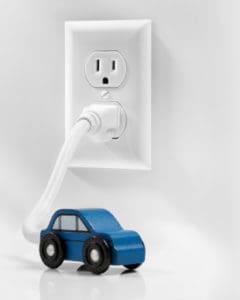 gas-guzzlers and find out more about the latest wave of electric vehicles. The events were sponsored by the non-profit organization Plug In America, an advocacy group for electric vehicles. This is the second year of the annual event.
In El Segundo, California, the celebration was held at the Automobile Driving Museum, where thousands of people were able to test drive electric vehicles, some of them charged up by Mitsubishi’s new solar powered battery charger. The EVs at the El Segundo event included BMW’s ActiveEs, Nissan’s Leaf and Mitsubishi’s i-MiEVs. An array of electric motorcycles from the company Zero S was available for driver tryouts and homemade electric powered cars designed and built by do-it-yourself auto enthusiasts were also on hand.
Reps from Ford, Mitsubishi, Nissan, Cadillac and Toyota showcased their latest electric models in Boston, giving hundreds of inquisitive attendees a chance to look over and test drive their offerings. Vermont governor Pete Shumlin supported EVs by declaring September 22 through 23 ‘Vermont Plug In Weekend’. In Sarasota, Florida, they supercharged their Plug In Day with a ‘silent parade’ of 47 electric vehicles quietly humming around city. Sarasota currently supports the EV industry with nine electric charging stations. In New York City, the event drew roughly 6,000 EV enthusiasts to Times Square to peruse a variety of vehicles, including Coca Cola’s and Duane Reade’s electric delivery trucks.
Skyrocketing gas prices, increased public awareness about climate change, and government subsidies have helped propel electric cars to the forefront of the auto market. According to statistics by the US Energy Information Administration, the number of electric cars on the road in the US has quadrupled between 2000 and 2010. To meet the power demand for the cars, the number of charging stations has increased by over 500% in the past year alone.
It is not uncommon when involved in an auto accident to experience panic and get confused by everything going on around you. It is sound advice to keep a checklist with you in the unfortunate event you are involved in an auto accident.
Familiarize yourself with the list and review it periodically. An accident “do and don’t” checklist can end up making the difference in how your case turns out.
Don’t lose your head. There’s no need to panic because you’ve already prepared yourself regarding what steps to take.
Don’t discuss accident specifics with anyone other than law enforcement, and even then stick to facts only. Do not place blame on yourself or others.
Don’t ever leave the scene of an accident. It will only worsen the situation.
Don’t agree to a settlement or sign any type of statement without consulting an attorney first.
Don’t attempt to “work it out” with other involved parties without contacting law enforcement. An accident report should be completed by the proper authorities immediately after the accident occurs. Do not let an at fault party persuade you to accept cash for repairs to avoid having the accident go on their driving record.
Don’t be too anxious to leave the scene. Once things calm down, you can park in a safe area and go over the accident details in your mind while everything is fresh. Sketch details on paper, and make notes on anything that comes to mind about the accident.
Do call 911 immediately for medical assistance if anyone is injured in the accident.
Do contact the police to complete an accident report and document the specifics. Failure to do so will result in the other party’s word against yours.
Do contact your insurance company promptly after the accident occurs.
Do take pictures of all damages to vehicles, the scene of the accident, and the surrounding area. What may seem unimportant at the time may prove to be very useful later. Some things to look for include traffic lights and/or signs, the position of the stopped vehicles, weather conditions, skid marks, etc.
Use sound judgment and common sense, and be prepared in advance. Hopefully you won’t find yourself in this situation, but in case you do, you’ll certainly be glad you took the time beforehand to prepare so you can handle the incident for the best possible results. Wear your seat belt, drive safely, and obey all traffic laws at all times.
Federal regulators recently announced a yearlong project, which will determine the effectiveness of wireless communication between cars in improving safety on highways and roads.
Ray LaHood, Secretary of Transportation announced the program, saying that 3,000 Ann Arbor cars, trucks and buses will be equipped with data recorders and what is basically a Wi-Fi technology allowing them to transmit important information about local hazardous conditions and accidents. The equipment to make these systems work is stored in the trunk of the vehicle.
The connected vehicles will warn drivers of sudden changes in the surrounding traffic pattern as well as any potential collisions. The cars will use data from other cars that have been equipped with this technology as well as special roadside devices.
Secretary LaHood said the study, which cost $25 million would provide plenty of useful data and would help the government decide if such technology should be required in future vehicles.
At a press conference at the University of Michigan Transportation Research Institute, where the wireless devices will be installed and the data will be collected, Secretary LaHood said, “Cars talking to each other is the future of motor safety.”
Safety regulators claim that vehicle-to-vehicle communication could possibly help drivers avoid, or at least reduce the severity of 80 percent of vehicle crashes that involve unimpaired drivers. According to LaHood, at this point there is no plan to require this type of technology in future cars, a decision will be made after the data is examined.
Safety experts feel this is the next step in an effort by the auto industry to understand how connected vehicles can improve traffic flow and safety.
A total of eight automakers are providing vehicles for the study which will include commercial trucks as well as buses. These companies will also offer engineering assistance to the study. Many of the latest models being put into the marketplace from these carmakers already incorporate much of the technology. Traffic assist, lane departure warnings and adaptive cruise control are just a few examples.
The study takes it to the next level by allowing connected vehicles to share safety information with each other. The systems give driver’s audio and visual warnings about traffic changes being experienced by other connected vehicles. Onboard cameras will also record how the drivers are responding to traffic changes and accidents.
Safety advocates expressed concerned that drivers may rely on the systems too much and become less cautious when driving. Transportation experts and politicians are hoping that this kind of smart technology will help improve traffic and save money by doing more with existing infrastructure.
General Motors, Ford, Toyota, Honda, Nissan, Volkswagen, Hyundai and Mercedes-Benz are the automakers that are participating in the study. Currently about 500 vehicles are involved in the study, which is in the trial phase. As the study continues it will expand to about 2,800 volunteers.
The government is conducting a study about the effectiveness of car-to-car communication to improve safety on the highways and roads. At its peak about 3,000 cars will participate in the Ann Arbor area.
The topic of car insurance fraud is one that makes insurance companies frustrated because they feel as though policy holders often try to take advantage of them. Fraud is something that costs policy holders a lot in premium payments. For every fraudulent claim that is filed, money must be removed from the insurance pool not only to replace the compensation but to pay for the investigation as well.
A 25 year old man from Victorville has found himself in some hot water after he allegedly committed two felonious acts of car insurance fraud. The man’s name is Luis Carlos Culebro and he was arraigned already and he entered a plea of not guilty. His court case will continue on October 31, 2012. The crime that he has been charged with could land him behind bars for more than six years.
Allegedly, the young man filed an insurance claim with two insurance companies for the same damage to his vehicle. The man had been driving his car in the High Desert and it became damaged due to a sand storm so he filed a claim. However, the car insurance company was suspicious of the claim so they decided to contact the District Attorney’s Auto Insurance Fraud Prosecution Unit. The unit decided to assign investigators to the claim to see if it was in fact a fraudulent one.
The investigation found that the man had indeed filed a claim with another insurance company listing the same damage to the vehicle as the reason for the claim. The investigators also pulled the man’s cell phone records and found that the date and time did not match the location of where he said he was when the alleged damage occurred to the vehicle.
Some people do try to do this so that they can collect insurance money from multiple companies. It is important for insurance providers to investigate claims that they think are fishy because often a gut reaction is the correct one. This man is innocent until proven guilty but often in these cases there are plea bargains because investigators often have a long paper trail to prove that insurance fraud did in fact take place.
With so many families dealing with poor economic circumstances, many men and women try to hatch schemes to get money however they can. They do not think twice about it even though the crime is a felony in most states. Drivers need to not only be deterred from committing the offense but they also need to be educated on the consequences. Thousands of people commit insurance fraud every year and sadly many of them do not learn their lesson until they are facing long prison sentences. The man in question is a prime example of this.
Drivers like to go fast. Some people especially younger teen drivers often engage in street racing which is illegal in all 50 states. If you have been given a ticket for illegal street racing then you will face financial consequences from your car insurance company.
For example, a person who was given a ticket for racing and speeding when driving 85 in a 35 mile zone they will face first a fine for speeding.
You will also have to answer to your car insurance company who will increase your premiums the next time your policy comes up for renewal.
Car insurance companies typically have exclusions written in their policies that drivers who are involved in a car accident while street racing or driving excessively fast will have their claims denied. This means that speed can not only kill but can leave you broke and penniless.
Most people who get a ticket will see their insurance premiums increase by more than 30% and those who do become involved in car accidents while racing or speeding can see their premiums increase by 200%. This is due to the fact that the behavior is deemed to be reckless and insurance companies want to minimize their risk.
They will still for the most part insure these drivers. However, people who were racing and caused huge accidents with injuries will most likely have their insurance policies cancelled.
Insurance companies know that speed is often a factor in accidents so you will be assigned insurance points. For example, in the state of North Carolina a driver would receive twelve points for an arranged street race that they participated in. If they were racing of their own free will on the street then they would receive ten points.
The more insurance points that a person has the worse they will look to their insurance company when their policy comes up for renewal. Every point increases their premiums so it is important to minimize the number of them that are accrued.
The driver would then feel the financial pinch of their transgressions because their insurance premiums would soar by 260 to over 340 percent.
If no one is hurt then typically people will not be arrested if they are engaged in pre-arranged or willful street racing.
Most drivers will have their license suspended and face a fine up to $1,000 so it does not pay to race anyone with your car. Each state has different laws regarding street racing. Insurance companies do provide a list of insurance point schedules for such offenses. Some states allow police officers to impound vehicles that have been involved in street racing so it is important for all drivers regardless of age to take the penalties seriously.
When drivers purchase new vehicles they typically will take out an auto loan for the financing of it. Cars that are financed must have comprehensive and collision coverage on them at all times which can be expensive. Millions of people are currently unemployed and some of them have allowed their car insurance coverage to lapse because they cannot afford to pay the premiums any longer.Now in some states lender placed insurance coverage is being forced on drivers. This is a situation in which the financial lender of a vehicle will purchase insurance coverage and then mandate that the driver pay the premiums each month.
The state of Maryland has sent out a consumer advisory about this issue so that drivers can be aware of the problems that this type of insurance coverage might cause them. The insurance premiums are much higher than typical insurance that drivers can purchase on the open market. The insurance company will then send out a bill to the driver and they will have to pay for their insurance premiums or the car can be repossessed. This allows lenders to make sure that the vehicles that they are financing have up to date insurance coverage on them at all times. In the eyes of financial lenders, they are going to look out for themselves and their financial investments so purchasing the policies themselves really does not cost them as much as having a stolen or totaled car that they cannot get any money for.
They will recoup the money that they have paid out for the policies through passing on the costs back to the driver who has financed the car. It is important for drivers to understand that having the car insurance bought through the financial lender can be a huge disadvantage. It is not only more expensive but it will also look out for their needs and not yours. The insurance policies often only cover the amount of money that the borrower has to pay back which could hurt drivers and make them have an insufficient amount of coverage if they are the at fault driver in an accident. Drivers who want to avoid having a lender based insurance policy taken out for them on their vehicle should try to stay insured at all times. Once a policy has been cancelled for non-payment, the insurance company will be notified. This means that getting a replacement policy is vital to having the type of coverage that will protect you and your lender financially. One idea is to ask a friend or family member to front you the money for the insurance premium payments so that you can have insurance coverage as soon as possible.
Ever since there were motorized vehicle conveyances there were drunk drivers. United States laws regarding drunk driving however weren’t enacted until 1910. The law wasn’t very specific; it was intoxication as judged by the arresting officer. As more and more automobiles took to the road, more and more drunk drivers did as well. True laws and enforcement were not implemented until the late 1970’s. With the help of advocates such as Mothers Against Drunk Driving, MADD was founded by a mother whose daughter was killed in a drunk driving accident, formal stricter driving while intoxicated laws were mandated. Laws, fines, and penalties still aren’t stopping the epidemic of drunk driving.
Statistics show the toll of drunk driving. The National Highway Traffic Safety Administration began collecting alcohol related statistics in 1982, that year there were 21,113 drunk driving related fatalities. In 2010 that number did decrease to 10,228, but it’s still one too many. 40% of traffic related fatalities were alcohol related in 2006. Over one million drivers were arrested for under the influence of alcohol or drugs in 2010, that’s over 2,000 arrests a day. The epidemic now knows no bias towards women. In 1982 only 9% of DWI arrests were women, now that number is consistently over 20%. Age is an overwhelming factor as well. Ages 21-25 account for over 23% of drunk driving, based on MADD statistics as well as arrests, other than arrests voluntarily admitting to driving drunk is also accounted for. Although the rate of women drunk drivers has increased, men are still almost twice as likely to drive while drunk. A real problem is repeat offenders. One third of arrests made for drunk driving are repeat offenders. What is being done to alleviate the problem?
Stricter laws and penalties have been implemented to fight drunk driving. Mandatory jail time for repeat offenders, regardless of an accident is one such move. Refusing to be tested for drunk driving, be it a breathalyzer test or a road sobriety test, results in automatic license suspension. Ignition interlock devices have also been instated to prevent the habitual drunk driver form getting behind the wheel. Like a breathalyzer, the driver has to blow into the device in order to start the vehicle, if the driver is over the legal limit, the car will not start. Stricter alcohol laws against establishments furnishing alcohol to minors have and can also make a difference, since an alarming number of drunk drivers are under 21. Finally, organizations such as MADD, and The Century Council, have used their resources in anti-drunk driving campaigns and lectures throughout the country.
Unfortunately with easy access to alcohol and vehicles, drunk driving will always exist in some form. The best defense is knowledge against the problem. Do not drive drunk yourself, and try to spot and stop others from doing so as well. If it is someone you see at a party, get their keys. If you think you see it on the road, avoid the vehicle yourself and contact the police.
Car engines have come a long way in the over one hundred years since the invention of the automobile. Actually in the early years electric cars were actually more common  than internal gasoline combustion engines. The 1902 Woods Phaeton was a common electric car. Quiet and clean, the electric could actually go 18 miles at speeds up to 14MPH. At the time oil was just being refined into fuel and was abundant. The internal combustion engine proved to be more powerful, and electric re-charging wasn’t easy to do, since electricity itself was in its early stages. Bigger gasoline engines back in the day did mean more power. In the 1930’s Cadillac manufactured the V16 engine. The engine had 16 cylinders and was 452 cubic inches, over 7 liters. A 2010 Fortwo Smart car is only three cylinders, and one liter of displacement. It produced 185 horsepower, a common term used for stating how powerful an engine is. A smart car has about 71HP, 185HP, however, was unheard of in 1930. A 1930 Ford Model A three cylinder engine only produced 24HP. This is equivalent to an average car of today making 150HP, and a Corvette making over 1,000HP.
As gasoline stayed abundant, manufacturers made engines more and more powerful, and didn’t care about fuel economy. The 1957 Chevy is considered one of the first true muscle cars. With a V8, and 162HP, it was a fast car for the 50’s, without having twice as many cylinders. Although the cylinder numbers stayed the same, the displacement of the engines got bigger and bigger, and horsepower rose dramatically. The 1960’s started the true muscle car craze, and bigger was better when it came to engines.
A 1962 Corvette V8 produced 360HP, twice the power at half the size of a Cadillac 16 only 30 years earlier. As the 60’s progressed and there was no conflict in the Middle East, or strict pollution regulations, big powerful engines became more and more common and affordable. Affordable sports cars were a fraction of the price of a Corvette but some more powerful. A 1970 Dodge Charger could be equipped with a V8 that produced 425HP. Fuel economy suffered, with a combined 12 miles per gallon, but, people weren’t worried, since gas was only 35 cents! With strife in the Middle East, and the EPA, powerful was going to go away for a while, it would take technology and engineering to bring back the muscle car.
To reduce pollution and gain greater fuel economy, the 1978 Charger was reduced to a pitiful four-cylinder engine with only 77HP. The once mighty Corvette of 1978 only produced 220HP, still powerful for 1978 standards, but a far cry from its once mighty 450HP of the 1960’s.
With technology, ingenuity and innovation, engines are more powerful than ever, while achieving respectable fuel economy, at least compared to the big block engines of the 60’s and early 70’s. A 2012 Camaro can be equipped with a 306HP engine and average 28MPG, and it’s only a six cylinder. You can also buy up to a supercharged V8 Camaro with a whopping 580HP, and a somewhat respectable 19 miles per gallon; you don’t need a giant 16-cylinder engine to attain four times as much power.
The sky is the limit with horsepower. Manufacturers are hitting the 1,000HP mark in cars that can be driven to church. The Shelby 1,000 Mustang does just that, 1,000HP, in a supercharged eight-cylinder engine. Bugatti also tops the 1,000HP mark with the Veyron, but they did use 16 cylinders back in the day. As technology and innovation continue to advance horsepower is sure to continue to climb, with no limit.
Recently federal officials announced they are creating a grant program that would provide funding to states for enforcing distracted driving and texting while driving laws. The grant program will provide $17.5 million in funding.
Ray LaHood, the U.S Transportation Secretary called distracted driving a “persistent and growing epidemic” which the National Highway Traffic Safety Administration (NHTSA) has already tried to address with several initiatives. Previous pushes to affect the problem include Blueprint for Ending Distracted Driving, which presented a long-term plan to help combat the issue of distracted driving.
According to the NHTSA, 416,000 people were injured in distracted driving crashes and a whopping 3,092 were killed in 2010, which means that 18% of injury crashes were distraction-affected crashes. Drivers under the age of 20 are some of the biggest offenders when it comes to distracted driving. In 2010, eleven percent of young drivers who were involved in a fatal crash were distracted.
All of this bad news is making distracted driving a top priority for law enforcement. 39 states currently have texting while driving laws on the books and 10 states prohibit drivers from using hand-held phones while operating a motor vehicle.
The Grant Has Requirements
The grant program will make funds available until the fiscal year 2013.
States are required to use half of the funds on the following three options:
- Educating the public on the hazards of distracted driving through advertising.
- Funding roadway signs, which make motorists aware of the distracted driving laws in the state.
- Help cover the costs related to law enforcement specific to distracted driving and texting while driving.
The remaining grant money can be used for unspecified projects which relate to highway safety.
States are also required to have primary laws on the books regarding texting while driving as well as distracted driving during the first year of the grant. The required state laws must allow police to stop motorists suspected of distracted driving solely for that infraction.
During the second grant year, states must have distracted driving laws which levy minimum fines for a first infraction and increase the fines for repeat violators.
As an example of primary and secondary laws, Idaho recently enacted SB 1274 which bars drivers from texting and driving. This law is enforced as a primary offense but is not classified as a moving violation, which means that insurance companies cannot raise rates on consumers receiving a ticket.
Ohio’s ban on the other hand, which went to effect in August is only enforced as a secondary offense meaning that officers can only write a ticket for distracted driving in addition to a primary offense such as reckless driving or speeding.
The majority of states have a primary law on the books in regards to distracted driving and texting while driving but there are some that make it a secondary offense. Maryland for example, enforces texting while driving as a primary law but usage of a hand-held cell phone is a secondary offense. Virginia and Nebraska enforce both texting and hand-held laws as secondary offenses.
Federal funding is currently available for states to help enforce distracted driving laws.
After years of saving and dreaming you were finally able to buy that classic or exotic car you have always wanted. Whether it is a 66 Mustang or a classic Jaguar, buying a collector car is a big milestone. Now that you finally own the car of your dreams you need to make sure that you protect your investment. Classic car insurance is a bit different than normal coverage so it is important to understand the differences in policy types and what you should look for in coverage. Here is a quick overview of classic car insurance:
What Makes a Car a Classic?
While the definition of a classic car varies depending on who you ask, the Classic Car Club of America defines it as a car between 20 and 40 years old. Cars that are over 45 years old are referred to as Antique Cars. Exotic cars are a bit more specialized, they tend to be hand built, small batch vehicles that are very expensive. The majority of them are sports cars.
The market for classic and exotic cars is much larger than most people would think. AutoTraderClassics.com puts the number of classic car collectors at 6 million and the number of people that are classic car enthusiasts at over 25 million.
Classic Car Owners Needs are Different
Classic cars are in a special category all their own and collectors have special coverage needs. These cars normally spend most of their time in a garage, under a tarp and not out on the road. They are mainly used for weekend pleasure drives, car shows and other special events so the risk of an accident is much lower than a daily driver.
Classic cars often appreciate in value while a normal car will shed 15 percent of its value the moment you drive it off the dealer’s lot. A car that appreciates in value needs to be protected by policy that pays out a specified value instead of a current market value as it is often hard to put an exact market value on a classic or exotic car.
Classic Car Insurers
While it is possible to get a classic car policy from a mainstream insurance company, the majority of collectors use a specialty insurer. Mainstream insurers will usually insure cars only up to a certain value, often topping out around $150,000, putting many exotic cars are out of their league. The specialty market is dominated by a couple of large companies but there are numerous classic car insurers out there.
Classic car owners usually have an emotional attachment to their car. After investing thousands of dollars and tons of hours they want to make sure they are fully compensated for the true value of the vehicle if an accident would happen or the car is stolen which is why most owners go with a agreed value policy.
Agreed vs. Actual Value
When a daily driver is insured by a mainstream insurer and an accident happens the owner is paid the actual market value of the car when it was damaged. Actual cash value takes into account depreciation and is determined by an adjuster. This value can often be less than what the owner actually owes on the vehicle, especially if it is a fairly new car.
Agreed value policies on the other hand pay out an agreed upon amount. The owner and insurer will agree upon a value of the vehicle which is the amount the premiums are calculated on. This “agreed upon” amount will be paid in full if the car is destroyed or stolen.
Agreed value policies often have restrictions. The majority of them limit the number of miles that can be put on the car, often around 2500 per year, although you can pay for additional miles. Classic car insurers normally require that there be a daily driver car for every licensed driver in the household and if you have teen drivers most likely you will have to sign a driver exclusion form. Drivers have to be at least 26 years old to be on the policy and the car must be garaged at all times.
Insuring a classic or exotic car is not difficult but there are differences between classic and normal policies so make sure you research all of your options and fully understand the coverage.
The United Kingdom may be across the pond from the United States but sadly it has the same exact problem when it comes to drivers who break the law and go uninsured. A new study has found that approximately 1.4 million out of 34 million vehicles in the UK are uninsured right now.
Some drivers have vehicles that they do not use such as those that belong to young people who will be living at school on campus. Now there is a law that states that if you will not be driving your car that you will need to inform your car insurance company.
The problem can become a hazardous one due to the fact that more than 160 people lose their lives because of uninsured drivers and another 23,000 end up injured. People who do not comply with the law will receive a written warning through the mail. On the second offense, the driver will receive a 100 pound fine that they will pay. If the driver commits any subsequent offenses then they can receive up to a 1,000 pound fine and have their car seized or clamped.
The United States has similar monetary penalties for drivers who are not insured and some cities have laws which allow uninsured cars to be towed at the same time that the driver is caught while being uninsured.
In the United States, many drivers feel as though this infringes on their rights because their car is their personal property and they often feel that being uninsured should be a right. Most states have mandated coverage but the fines are minimal so going uninsured is actually saving them money even if they do happen to get caught by police officers during a traffic stop.
The fines in the UK are more severe so that they can act as a deterrent to the crime. There is a motor insurance database online that drivers can use to make sure that their insurance information is up to date. The database is updated every single day so it can make sure that the likelihood of an innocent driver gets fined or punished is very slim.
One thing drivers need to think about is how their actions could impact someone else. If an uninsured driver gets involved in a car accident then they might make it so that the other driver cannot repair their vehicle.
In today’s day and age, most drivers use their vehicles to get to work so not having an operational vehicle to get to work could make a person lose their job and livelihood. The much stricter law could be used in the United States because many drivers do not inform their insurance companies if they are not driving their vehicle.
Car Insurance fraud is one of those crimes that sadly many people commit to make a quick buck. Car insurance companies have been trying for years to figure out how to easily spot fraudulent claims but it is difficult to do so because criminals know how to pull a fast one and get their claims paid for.
A woman from the state of Massachusetts allegedly tried to pull a fast one on her car insurance company. The woman is named Olga O’Connor Rich and she is 41 years old and is from Rockland. She has been charged with over forty counts of car insurance fraud and she has also been charged with larceny and attempted larceny.
The insurance fraud totaled over $28,000 in medical payments. Law enforcement officials have claimed that the woman used her business called South Coastal Physical Therapy to commit the alleged car insurance fraud for eight years to fraudulently bill car insurance companies for physical therapy services.
In this type of alleged crime, it can be hard for the insurance claim adjusters to deem these claims as fraudulent because physical therapy sessions are not something that you can visually see the results such as with a vehicle repair. Allegedly, the woman produced bills for services that she never had done months or even years after the initial car insurance claims had been filed.
The fraudulent claims range from 2001 to 2009 and then the insurance companies would get calls from the woman asking to be reimbursed for her services. In total, she asked for more than $60,000 for her services but the car insurance companies only paid out $28,000 in compensation to her. Massachusetts is a state that is trying to crack down on people who commit car insurance fraud. The attorney general and insurance commission have been working hard to be able to uncover instances of suspected car insurance fraud. One problem that the state has is that medical clinics often become hubs for criminal activity because they know that they can submit fraudulent claims to insurance companies and they might not raise any red flags to insurance claims adjusters.
This type of crime is expensive to investigate and prosecute which in turn costs tax payers and policy holders money. The state has allocated funds to trying to combat fraud but whenever one person is caught another one takes their place. The state should consider cracking down on issuing medical licenses to medical clinics that might be vulnerable to fraud.
Times have changed and criminals are becoming more and more cunning. The woman who has allegedly committed car insurance fraud faces fines and jail time. Hopefully, others will see this as a deterrent so that insurance premiums can be lower.
In a push to streamline production and lower the cost of their third-generation Fusion and C-MAX Hybrids, Ford Motors plans to cut the use of rare and expensive metals  used in their manufacturing. For people who didn’t know that rare metals were used in their production in the first place, this shift might not mean much, especially since Ford doesn’t specify how much less the vehicles will cost. But for environmentalists who assert that a reduction in the cost of eco-cars means more drivers and less carbon emissions, the shift is a good sign.
The transition from nickel-metal hydride (NiMH) batteries to li-ion packs, which are lighter and more efficient, accounts for part of the shift. The NiMH batteries required the use of the rare metals neodymium, cerium, lanthanum and praseodymium. None of those rare metals are used in the lithium-ion batteries.
The rarest and most costly metal used in the production of the hybrid vehicles is dysprosium, used in the manufacture of magnets employed in the car’s electric system. Ford estimates they’ll use roughly 50% less of the metal in the new production process.
The total reduction of the uncommon earth metals is expected to total about 500,000 pounds. Ford says the savings will allow them to expand production of hybrid vehicles in the coming years, as well as to put lower price tags on the vehicles.
Financial considerations aren’t the only reason that Ford is moving away from the rare metals in the production of its third generation of hybrids. The new li-ion batteries weigh about half as much as the former version, which is part of the reason the cars get better mileage at 47MPG. They’re also 25 to 30% smaller and cost about 30% less to make.
Another factor that plays into the reduction is the fact that 95% of the rare metals are mined in China, whose government exerts strict controls on the amount available for export. Shortages of the metals can hamper vehicle production in the U.S. and lead to price increases.
When leaves turn, temperatures chill and autumn shifts into full gear, it’s time to start readying your car for cold weather. This is especially important if you live in a climate where Old Man Winter arrives with his entourage of snow, ice and extreme temperatures.
Here are some tips to prep your vehicle for cold weather driving:
Extreme cold plus the use of windshield wipers, heaters and defrosters equals increased demand on your battery. Make sure it’s up to the task by testing it with a voltage meter. If your voltage tests less than 12.4V, you should either recharge or replace your battery.
Winter means less sunlight and increased reliance on your lights. Perform a visual test on your headlights, taillights, reverse lights, turn signals and hazard lights to make sure they’re fully illuminated. Replaced any burned out bulbs or fuses.
Prevent your radiator from freezing by making sure you have enough anti-freeze. Check your level by either looking at the level indicator or removing the radiator cap. Never remove the cap when the engine is hot, as the pressure can cause hot coolant to spray out of the reservoir. Anti-freeze concentration is typically a 50/50 mixture of water and antifreeze. Check your owner’s manual for your vehicle’s recommended level. It’s easy to check the concentration yourself with a bulb gauge, or have a service person do it for you. While you’re under the hood (or your mechanic is) check all of your hoses for leaks and wear.
Nothing is more dangerous than a windshield full of frozen slush that renders you blind while driving. Check your windshield wipers to make sure they’re in good enough shape to contend with sleet and snow. Your wiper reservoir should have plenty of de-icer in it so you can quickly spray and clear snow and ice thrown up on your windshield from the road. If you live in an extreme winter climate, purchase heavy-duty wipers for maximum clearing ability.
Check your tires to make sure they have plenty of tread for good traction on slippery winter roads. Install snow tires if you live in an especially snowy area.
Equip your car with cold weather necessities like a snow/ice scraper, a snow brush, an emergency blanket, jumper cables, a flashlight, road flares, a snow shovel, extra windshield washer fluid and a first aid kit.
Finally, use common sense when deciding whether to venture out in hazardous driving conditions. Do you really need that pint of Ben & Jerry’s enough to risk skidding into a snowy embankment? Probably not! Stay off the road in dangerous weather unless driving is imperative.
Crash for cash scams have been plaguing the UK and the United States for years. Many drivers are often unaware that they have been a victim of this type of scheme. Here are some tips to help drivers avoid becoming a victim of a crash for cash scheme.
The first tip is to watch the news every night. Your local news affiliates will most likely report on any criminal activity that is going on in your neighborhood. Drivers need to be informed so that they can be on the lookout for these individuals. Many criminals who commit car insurance fraud also commit other criminal acts such as vandalism, burglary, and theft.
The second tip is to make sure that you are aware of who is in front of and in back of you. If someone has been following you for a while then you may want to pull over at a rest stop or other safe area and see if they pass you by. If you see the driver again after stopping then you might be a target for a car insurance fraud ring. This means you should consider turning around and finding another way to get to your destination.
The third tip is if you are involved in a car accident then you should take photographs of the accident scene. You can also request that the police do so as well so that you can have them examined for any signs of a staged car accident. Insurance claims adjusters are often able to tell if an accident was staged if they have enough photographic information to go off of. Take as many pictures as you can and jot down exactly what happened before you were hit by the other vehicle.
The fourth tip is to protect yourself. If you feel as though you have been a crash for cash scam victim then you cannot show your hand to the other driver. Do not accuse them face to face because this could lead to a life threatening altercation. Provide the driver of the other vehicle with all of your information and ask them for theirs as well. When you get home, you should use a search engine to try and find as much information as you can about the person.
The fifth tip is to contact your car insurance company and express your suspicions to them. If any red flags were raised during your car accident then write them down and share them with your insurance agent. This will help them get as many facts about the accident as they can so that they can open an investigation into what actually transpired. This can be a great way to help to get criminals off the street and reduce car insurance fraud.
There are many misconceptions that drivers have in regards to car insurance coverage. Hearsay is something that many drivers take seriously when sometimes they are being told fictitious statements.
The first misconception is that drivers might not need to buy car rental insurance coverage. If you have comprehensive coverage or collision then the policy typically also applies to a rental vehicle. If you have liability coverage only then the coverage might be helpful if the car gets totaled or seriously damaged.
The second misconception is that if you have the minimum state requirements for car insurance coverage then you will never face a lawsuit after a car accident has occurred. The truth is that you will be meeting the legal requirements for coverage from the state but you can still be sued if you are the at fault driver and the damages exceed your coverage limits. It is a good idea to have at least $300,000 in coverage for an accident.
The third misconception is that your credit score cannot be used against you when you apply for car insurance coverage. Your car insurance company will ask you for your Social Security number because they want to see a copy of your credit report.
Financial responsibility is important to car insurance companies so they want to see how responsible policy holders are. If you have a poor credit score then your insurance premium rates will probably be higher. Consider paying down your debt to increase the score to try to prevent an increase in your premiums.
The fourth misconception is that if you are not the driver of your car during an accident that you will not be held liable for any of the damages that were incurred. This is because unless a car is reported stolen or the person is a covered member of the household then the damages may not be covered. Many people allow others to borrow their vehicles. This can be a very dangerous thing to do because you could end up paying the price in the end.
The fifth and final misconception is that if you are hit by an uninsured driver that your insurance company will protect you and will pay for your insurance claim. If you do not have uninsured motorist coverage on your vehicle then your insurance company does not have to pay out any money to you to cover your damages.
It is important to have this kind of insurance coverage in place because it protects against a real issue. Millions of people are uninsured so being left without a safety net while uninsured is a bad idea. Approximately one in six drivers is uninsured at any time so it pays to buy the coverage.
Car insurance fraud has become a huge problem in the United Kingdom. Car insurance companies are taking the helm so that they can track down criminals who are filing fraudulent insurance claims. Every week almost 2,700 fraudulent claims are uncovered by insurance agents and officials which show that this problem is one that will be hard to eliminate.
Criminals who commit this type of fraud cost insurers more than 19 million pounds. This kind of financial loss impacts not only car insurance companies but the drivers who have policies with them as well. The main way criminals are doing this is by committing crash for cash car insurance scams. This is when a driver will purposely stop suddenly to make someone hit them. The collision looks innocent but it is always staged so that a criminal can file an insurance claim saying that they have an injury such as whiplash when they do not.
It can be hard for insurance agents to be able to stop crime rings before they start.
The problem is one that had not been addressed well enough before. The punishment for this type of crime is not severe enough which is why so many drivers try these scams to make a quick buck.
Drivers in the United Kingdom are aggravated that they have to pay fifty pounds more for their insurance premiums due to instances of fraud. The country already has very high premium rates so many policy holders feel that being honest has gotten them absolutely nowhere. One crime ring of 37 people staged over 180 car accidents and filed 230 fraudulent claims. The problem is not going away because people become more and more savvy at finding loopholes to exploit. They also are able to stage car accidents in different cities and towns so that it is harder to track down who is committing these crimes.
One new way that the country is fighting fraud is to create something called the Insurance Fraud Register.
This is a register that will contain all of the names of people who have submitted fraudulent insurance claims. It is a very innovative way to embarrass those that have committed the offense. It will make it increasingly harder for people to get car insurance coverage if they have committed fraud. It can also reduce the likelihood of banks extending them lines of credit. If would be car insurance fraudsters are deterred by this register then it can help to reduce the number of fraudulent insurance claims that are being filed. This is a good first step at helping to reduce crime and make the country safer. Many drivers are suffering financially in the country so any efforts to reduce fraud are helpful.

