Every person has different driving habits. Car insurance companies take these habits into account when they determine car insurance premium rates. One new innovative way that car insurance companies are reaching out to drivers to get them to become policy holders are through usage based discounts.
For example, if a person only drives a few miles per day then usage based insurance could net them inexpensive premium rates. Car insurance companies make their policy holders prove their driving habits before a discount is issued.
Most companies will request that a driver installs a tracking device on their vehicle.
The device is one that will document when the person leaves, how far they travel, how hard they apply the brakes when stopping, and how fast they accelerate. All of this information will be compiled over the course of several months.
Then, a discounted insurance premium rate will be calculated for the driver.
Some drivers shy away from doing this because they feel as though their privacy is being invaded. However, taking a leap of faith can pay off financially. Drivers can get a discount of up to thirty percent. In today’s economy, this can help people save hundreds of dollars on their car insurance coverage.
It is important to just drive the way that you normally would because trying to play the system is not a good idea. It is important for the information to be as accurate as possible. Only one percent of drivers currently use usage based car insurance policies. Car insurance companies are hoping that more policy holders will try out the tracking devices because many people could benefit from them.
For example, if someone drives less than 10,000 miles per year then they might be able to get a discount if they drive responsibly and are not quick to accelerate. Many drivers think that they have to drive very few miles to qualify for a discount but each case is assessed differently based on the driving patterns that have been established.
Insurance industry insiders have stated that the number of people who will obtain usage based insurance will increase to 20 percent by 2017 and will be up to 30 percent by 2020. In a bad economy, many drivers stay at home until they can find a new job so they do not drive that many miles.
Usage based discounts have become popular.
According to a new poll, more than 80 percent of drivers said that they would use a tracking device to gain a discount from their car insurance company. This is a promising statistic for insurers because they would prefer to have their policy holders to drive fewer miles so that they are less likely to get involved in a car accident.
There’s a lot of shopping people do in the automotive aftermarket, from tires to what you put in your gas tank. What do the different numbers on some of these products 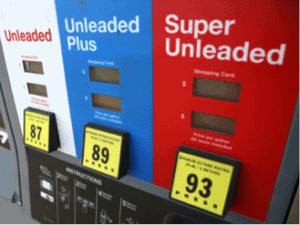 mean? What are octane ratings? What are those codes on the side of tires? Purchasing the wrong “number” of one of these items may not only be unnecessary it may be harmful to your car or even make driving your car dangerous.
We’ve all seen the different numbers posted next to the price and description of gas at the gas station. You see 87, 89, 94 even 104, the octane rating. The question is what do they all mean and is a specific one needed for my car or unnecessary? An octane rating is simply is a performance measure of gasoline. The higher the octane rating the more compression the fuel can withstand before detonating, performance engines typically have higher compression, and they obtain more energy out of the engine’s fuel and air mixture. For example a Ferrari 458 has a 12.5:1 compression ratio as opposed to a Toyota Corolla at 10:1. If an engine requires a higher octane but a lower octane is used it will result in engine knocking. Essentially an improper detonation occurs outside the normal controlled combustion process. Continuous knocking can result in engine damage, so if a higher octane gas is absolutely required it should be used. At a cost of about ten cents more a gallon between regular, premium and super octanes, make sure it’s necessary. A vehicle’s owner’s manual should advise you as to what octane gas your car requires. Using a higher octane when not required would essentially just be wasting money, but if you do notice “knocking”, try a higher octane to see if the problem ceases.
Tires have a lot of numbers and letters on them, P215 55/R17 M+S, a pretty confusing series of numbers and letters. In this example P means passenger, the tire is designed for a passenger car, as opposed to a light truck, or a temporary spare, ie “T”. 215 is the tire width in millimeters, the area touching the road. The 55 is an aspect ratio relative to the width of the tire, from the top of the wheel rim to the top of the tire, it is 55% the width of the tire. R signifies that this is a radial tire; the design of the interior of the tire is manufactured as a radial ply tire. 17 is the wheel rim the tire fits on, from 14 past 20, passenger car rims run the gamut in size. The M+S abbreviations stand for mud and snow, meaning these tires have been approved as all-season tires, helpful in mud and snow. The tire of a Corvette may be considered a high performance tire, built for speed. An additional letter in front of the R may be a Z, W or a Y on performance vehicles meaning these tires are made to withstand speeds up to 200 MPH. What do you need for a tire size and category? Right off the bat you can disregard the need for high speed tires; nobody should need a tire to perform over 150 MPH. A wider and lower aspect ratio tire can be viewed as a style taste; people prefer the look of a low profile tire. Cars with a 35% aspect ratio are not uncommon with a wide width of say 255; the top of the wheel to the top of the tire appears incredibly narrow. The problem here is the cost, tires this size with such a low profile are very pricey, and are meant to handle extremely well under hard cornering conditions, which is rarely necessary. These combinations can also result in a very rough ride, obviously if the tire appears that thin it’s not going to result in a cushy ride. Finally, if the combination is not appropriate for the vehicle in mind or not installed properly, it can result in alignment, brake and suspension problems. If you’re not going to the race track purchase a well rated, all season affordable tire, nobody needs to drive 100, and corner at 45 miles per hour. Buy for necessity and need, and safety and value.
Every person has different driving habits. Car insurance companies take these habits into account when they determine car insurance premium rates. One new innovative way that car insurance companies are reaching out to drivers to get them to become policy holders are through usage based discounts.
For example, if a person only drives a few miles per day then usage based insurance could net them inexpensive premium rates. Car insurance companies make their policy holders prove their driving habits before a discount is issued. Most companies will request that a driver installs a tracking device on their vehicle.
The device is one that will document when the person leaves, how far they travel, how hard they apply the brakes when stopping, and how fast they accelerate. All of this information will be compiled over the course of several months. Then, a discounted insurance premium rate will be calculated for the driver.
Some drivers shy away from doing this because they feel as though their privacy is being invaded. However, taking a leap of faith can pay off financially. Drivers can get a discount of up to thirty percent. In today’s economy, this can help people save hundreds of dollars on their car insurance coverage.
It is important to just drive the way that you normally would because trying to play the system is not a good idea. It is important for the information to be as accurate as possible. Only one percent of drivers currently use usage based car insurance policies. Car insurance companies are hoping that more policy holders will try out the tracking devices because many people could benefit from them.
For example, if someone drives less than 10,000 miles per year then they might be able to get a discount if they drive responsibly and are not quick to accelerate. Many drivers think that they have to drive very few miles to qualify for a discount but each case is assessed differently based on the driving patterns that have been established.
Insurance industry insiders have stated that the number of people who will obtain usage based insurance will increase to 20 percent by 2017 and will be up to 30 percent by 2020. In a bad economy, many drivers stay at home until they can find a new job so they do not drive that many miles.
Usage based discounts have become popular. According to a new poll, more than 80 percent of drivers said that they would use a tracking device to gain a discount from their car insurance company. This is a promising statistic for insurers because they would prefer to have their policy holders to drive fewer miles so that they are less likely to get involved in a car accident.
Becoming involved in a car accident is no laughing matter. There are many accidents each year and sadly approximately 33,000 victims will die because they were in a collision. It is important for all drivers to understand just what they need to do if they have been an accident victim.
The first step is to remain at the accident scene. The police should be called because they will need to draft a report of what happened. If you have a camera phone on you then consider snapping some photos yourself. The police will do this as well so it is important to have enough evidence for your car insurance claim. Ask everyone involved in the accident for their information such as license plate number, driver’s license number, name, address, telephone number, and insurance company.
The second step is to get checked out by an EMT. Many accident victims even those with minor injuries refuse to get medical treatment. This is a bad move to make because in some situations, medical problems are not always visible to the naked eye. A victim could be fine one second and then dead the next. It is also a type of insurance policy in case a medical problem arises down the road. This allows the person to have proof that they were injured in a car accident so that their medical bills are covered.
The third step is to go home and call your car insurance company. A claims representative is usually available 24 hours a day to talk to drivers and begin the claims process. Make sure to have your policy information readily available to help speed up the process.
The fourth step is to make a list of everything that happened. It is important to jot down everything as fast as you can so that you can have as vivid of a memory as possible about the car accident. Once this is done, you can begin to craft a statement for the insurance claims adjuster who will handle the claim.
The fifth step is to give an official statement to the claims adjuster. Consider doing this a few days after the accident. This will allow you to get yourself composed and be able to accurately describe the events to the best of your knowledge.
The sixth step is to wait for the claims adjuster to begin to evaluate the claim. It usually takes about a week for a claims adjuster to get back to a driver about a claim. Be patient, especially if the car accident was serious. The claims adjuster will need to determine who was at fault and that can take a while in some situations. Once the claim has been completed, a driver will receive their compensation check if the insurer feels that they are entitled to one. This ends the claims process entirely if the check is cashed and no appeal is requested.
Florida is a no fault insurance state and has had issues with keeping its drivers properly insured. The PIP or personal injury protection system in the state has had some changes made to it to try and reduce car insurance rates for drivers.
The politicians who have supported the reforms have stated that premium rates will increase by up to 25 percent. Insurance companies believe that recent changes that have been made will reduce car insurance fraud. Now, insurance companies have a deadline of October 1st from the governor to reduce premium rates by at least ten percent.
Some of the insurance companies that do business in the state have expressed their displeasure with this requirement. Those insurers that do not comply with the governor’s mandate must be able to explain why they could not reduce their rates by ten percent.
Car insurance insiders have stated that reducing PIP costs might not even help to reduce premium rates for drivers that much. If costs can be reduced by 25% then drivers would only see a five percent reduction in their premium payments. One fifth of the premium payments that drivers have to pay currently go to their PIP coverage.
It is important for Florida drivers to do their part to reduce their premium rates. One way to do this is by making sure to keep premiums paid on time. The more uninsured people there are in the state, the higher the premium rates will be for all. Florida has a very high rate of uninsured drivers because of the fact that PIP claim benefits exceed the national average.
Another issue that continues to need to be addressed is car insurance fraud. A few reforms such as not paying for acupuncture treatments and requiring more restrictions on doctor’s notes for care have been put in place but few strides have been made because fraud still costs insurance companies millions of dollars each year.
It may be time for Florida to consider switching over from a no fault state to a traditional state in which the at fault driver’s insurance company is the one which provides the benefits only. This would help to save insurance companies money which might reduce premium rates in the state.
As it currently stands, reducing costs is what needs to be done in the state. Health care costs are high for PIP insurance claims. By helping to shift more of the costs by capping benefits and putting more money towards reducing car insurance fraud the reforms can be more productive. As it currently stands, too many criminals are getting away with car insurance fraud and each time that they do, they reduce the likelihood that car insurance companies can cut costs and reduce their premium rates.
Michigan is a no fault insurance state. Currently, there have been actions by politicians to try to reform the PIP or personal injury protection system that is in place to save drivers money on their car insurance premiums.
Most drivers in the state will spend more than eight percent of their household income on their car insurance payments. This shows that real changes need to be made soon.
The state is ranked number one in terms of the most expensive premiums for drivers. On average, drivers will pay more than $4,400 per year for car insurance which in today’s economy is a huge financial burden to bear.
In approximately one decade, the cost of car insurance premiums in the state has increased by more than thirty percent. Most politicians blame the fact that people have unlimited PIP benefits as the reason behind the sharp increase.
Every driver in the state is financially responsible for purchasing unlimited PIP coverage. This requirement can add a significant amount of money to the premium amount that drivers must pay.
Health care costs rise every year so this means that more and more benefits will be paid out so more money needs to be paid into the system to cover the losses.
Most states require that all drivers have $50,000 worth of PIP coverage so by Michigan having unlimited coverage requirements, it shows why they have the highest rates in the nation. Some drivers have expressed their distaste with the PIP system because they have stated that it is not sustainable because drivers are often going uninsured because they can no longer afford their monthly premium payments.
The unlimited PIP benefits are often used by those accident victims who have suffered severe injuries such as spinal cord and brain injuries. These people often require millions of dollars in medical care over the course of their lives. One idea is to cap the benefits at $250,000 to $1,000,000. This would help to reduce the financial strain that is on the PIP system and help to reduce car insurance premiums for all.
Drivers like having a “safety net” for themselves when they get seriously injured but they just do not want to shoulder the financial burden. Michigan could be one state where the no fault insurance law eventually can no longer work.
In no fault insurance states, each of the drivers have their car insurance companies’ pay for the claims no matter who is rule to be at fault. Most people believe that fault is not determined in these states but claims adjusters do actually make a determination of who was at fault and this can impact premium rates in the future. Hopefully, Michigan will see lower insurance rates soon but much needed reforms have been delayed thus far.
It is important for drivers to have enough coverage on their vehicles because every year millions of accidents both minor and major occur on roads everywhere. It pays to have under or uninsured motorist coverage because in the United States almost fourteen percent of drivers are currently uninsured. The two states that have the highest number of uninsured drivers are Florida and Michigan which are coincidentally no fault car insurance states.
The state of Florida’s uninsured driver rate is above 23 percent while Michigan’s is almost 20 percent. Almost 33,000 people die each year in car crashes while over two million are injured so it is a good idea to know if you have enough coverage because not knowing can have huge financial consequences.
For example, a person who is at fault for a four car pileup and has basic liability insurance coverage could walk away owing the victims hundreds of thousands of dollars. Most people think that having an insurance card will protect them financially but now the average compensation awarded for larger accidents exceeds $180,000.
This is a hefty sum for people to have to pay out of pocket if they are uninsured or are underinsured. Most minimum liability coverage policies offer drivers between $25,000 and $50,000 worth of coverage. It is important for drivers to have underinsured motorist coverage because the driver who hits you might not have enough coverage to pay your hospital bills.
One young college student was driving his car when a drunk driver hit him after crossing over the yellow line. The man had only $50,000 but the student had $500,000 worth of underinsured motorist coverage which paid for all of his medical bills. It was a financial lifesaver for him.
Most people would be shocked to learn that spending an extra $200 to $250 per year on car insurance coverage can increase their minimum liability coverage to one million dollars. Health care costs are expensive and the college student had to have multiple operations and even radiation treatments. If drivers are not insured enough then they can end up having to file for bankruptcy.
Many drivers think that just doing the bare minimum is more cost efficient for their personal finances. While this may seem to be the case, it is not in reality. This is a day and age where people drink and drive, text, talk on the phone and get distracted everyday while driving. Anyone who is in a car can be a victim so having additional coverage is an important safety net to have in place.
Drivers should consider having underinsured and uninsured motorist coverage because it is quite affordable. It is worth the extra expense especially for drivers who live in states with high percentages of uninsured drivers.
An interesting piece of legislation has been gathering some steam lately, the Right to Repair Act. At first it sounds like a bill that allows you to keep your car as long as you want as long as it can be repaired, but it’s a little more political than that. If you have ever dreaded going to the dealer because of the fear of overpriced repair work this act will interest you.
Many people have taken their car to their local mechanic hoping to get an honest look, and fair repair pricing, only to find out the mechanic can’t figure out the problem. What happens most of the time is a mechanic runs diagnostics first. A computer is hooked up to the car to see what the problem is. Some manufacturers lock out car owners and repair shops to access to the codes in order to protect their intellectual property, according to automobile manufacturers, not proven but it also may be a ploy to make the owner take their car to their dealers. Since the code cannot be read, the local mechanic does not want to run the risk of making an improper diagnosis, and you are forced to go to the dealer. If the independent does make an improper diagnosis they may make a repair that isn’t required, or worse, miss a critical component that needs to be repaired. Not to say that dealers overcharge, but being forced to go to a dealer means you cannot chose from a wide variety of repair shops to get competitive pricing.
Some states are now putting forward Right to Repair Bills, or they are under consideration, currently only Massachusetts has passed a Bill requiring the sharing of automotive manufacturers repair information. The Bill now grants access to original equipment manufacturer or, OEM repair information that previously was only seen by automobile manufacturers and dealer repair shops. This may seem like a no brainer, so why aren’t more states on board or why hasn’t the US Congress passed a similar Bill? Apparently it seems to come down to money. Automobile manufacturers are concerned about giving away their trade secrets and intellectual property. A fear is that their products will be duplicated as OEM parts and then would be sold overseas, cutting into their OEM part manufacturing revenues, but the Bill only provides for diagnostic information relief, it does not enable one to duplicate a part. Automobile corporation’s dealers also do receive more business due to repair shops turning away customers whose vehicles cannot be diagnosed. As you can see, automobile manufacturers have a significant monetary interest in this Bill.
If a countrywide passing of such a Bill is enacted the small repair shop will see more business, and millions will be saved by the consumer due to the increase in competition. Manufacturers will not be not be relinquishing their trade secrets, only vital information needed to repair vehicles. It would appear that only the consumer would suffer if this Bill is not passed.
With gas prices soaring and looking as if they’re not going to make a serious decline anytime soon, hybrid vehicles are steadily strengthening their grasp on the auto market. At the forefront of sales is Toyota, whose Prius was the first mass-produced car to break into hybrid territory 15 years ago, upon which it quickly became the car of choice among eco-conscious drivers.
Now it looks like the maverick eco-car has officially moved from the hybrid niche into the automotive mainstream, with the announcement that it’s now the third best-selling car in the world. According to Bloomberg News, in the first quarter of 2012 a record 247,230 Prius models were sold worldwide. That puts the eco-friendly Prius right behind the world’s top selling gasoline models, the Toyota Corolla at 300,800 in sales and the Ford Focus at 277,000. Few would have thought this massive rise to the top of the auto market would be possible when the oddball eco-car came on the scene in 1997.
Toyota’s expansion of Prius designs to give drivers more versatility has something to do with its increase in popularity. The Prius MPV was launched in 2011, giving drivers a bump in size with 50% more cargo room. The Prius V compact minivan also came out in 2011, affording drivers more interior space with a roomier design.
Also figuring into the bump in sales is the fact that Japanese drivers began receiving a tax incentive to purchase hybrid vehicles in 2012. Increasingly high fuel prices in the U.S. are no doubt helping to power Prius popularity, too.
Prius’s move from the niche hybrid market to mainstream sales is good news, not only for Toyota, which also just launched a new hybrid Avalon model, but for alternative vehicles in general. Prius’s rise to the top was gradual but steady, which is a good sign for the Chevrolet Volt and Nissan Leaf, which have so far edged into the hybrid market at a tortoise pace.
Most people think that once they turn off a busy street and into a parking lot their odds of an accident drop. Actually parking lots tend to be just as dangerous as a street. According to the Insurance Institute for Highway Safety roughly 20 percent of all car accidents happen in parking lots. While the majority of these accidents are low-speed and rarely life threatening they can still be frustrating, time-consuming and can cost you plenty. Here are a few tips on how to avoid getting into a car accident in a parking lot and what to do if you are.
Drive Slower
There are plenty of hazards in parking lots but other drivers not paying attention is often the biggest obstacle. Other drivers may be going too fast, ignoring signs and even cutting across rows. Before you know it you are in an accident. The slower you drive the more time you have to react which can help prevent an accident. This is especially true if you are backing up or going around a corner.
Watch for Pedestrians
Many pedestrians just assume cars will give them the right of way and many are not looking out for traffic as well as they should. Keep your eyes peeled for pedestrians headed your way and always yield to them. When you are entering a high foot traffic area, like the entrance or exit of a store it is a good idea to let off the gas and be prepared to brake. Keep an eye out for children, they may dart out into the street or be hidden behind a shopping cart.
Keep Your Distance
Door dings and scratches are common occurrences in parking lots and while they are certainly not life threatening they are annoying and can raise your insurance rates if you make a claim. Park away from other cars, while you may have to walk further it will be well worth it if you can keep your car doors looking clean and new.
What to Do if an Accident Happens
While most insurance companies will not require a police report for a simple fender bender in a parking lot, you should make and effort to get one. Call the police and report the accident. There is a good chance that the cops will tell you to simply exchange information on your own. If that is the case follow their advice but let your insurer know that you made an effort to get a report. If they do show up submit a copy of the report with your claim.
When exchanging information with the other parties be sure to get a name, address, phone number and their insurance company. If there are any witnesses you should also get their information if possible. Jot down notes regarding the time, weather conditions and the state of the parking lot. Take photos if possible and call your insurer as soon as possible.
Never admit blame, even if you hit a parked car. There are no standard laws when it comes to parking lots so fault can be a tricky thing to determine. If you hit an improperly parked vehicle it is possible the parked car owner will be found at fault.
If you hit an unoccupied car be sure to leave a note. In most states you are required by law to leave a note. Leave your name and phone number so the victim can contact you. You should also notify your insurance company and tell them what happened. Your liability coverage will cover the damage to the other person’s car.
If there is a dispute about what happened it is best to let the insurance companies work it out, don’t get into an argument in the parking lot.
Every day car insurance policies are cancelled across the United States. Most drivers think that their car insurance agent will contact them by phone or email if their insurance policy is in danger of being terminated but this is not the case.
The number one reason why most car insurance policies get cancelled is due to non-payment of monthly premium payments.
Most insurance companies will send you emails or written correspondence to tell you that you need to catch up on making your monthly car insurance payments or they will cancel your coverage.
When times are tough, many drivers think that they can avoid paying their car insurance premiums on time and that it is no big deal if the policy gets cancelled. This is a costly error to make though because allowing your insurance policy to lapse can cost you hundreds of dollars more each year.
This is due to needing a new policy to be written.
Car insurance agents tend to want to stay out of financial matters with their clients. When a policy holder becomes delinquent on making their payments, agents really will not call them because they are busy. Many people are either late or delinquent on their premium payments so it would not be an efficient use of the agents’ time to have to call up policy holders who probably already know that they have fallen behind on their bills.
If insurance agents did take this action then they would actually open themselves up to potential liability issues.
For example, if every month an insurance agent calls each delinquent policy holder and someone gets left out then that policy holder could file a lawsuit against the agent if they get involved in a collision.
This is because of the fact that the driver could claim that they were never informed of the delinquency and that they should not be held financially responsible for the lapse in coverage.
In today’s economy, many policy holders are barely getting by so they might be caught up one month on their premiums and then fall behind again in a few months.
If you are forgetful then consider paying your insurance premiums in full. This can give drivers a discount and allows them to know in advance that they will have continuous car insurance coverage for at least six months. Car insurance companies like drivers who take initiative and do this because people who allow their premiums to lapse create risk and do not bring in enough money in premiums.
For those policy holders who cannot pay their insurance premiums in full, consider setting up recurring payments so that the money is automatically deducted each month. Some insurers give people a discount for this as well.
Hurricane season is upon us and that spells bad news for drivers. It is important for every driver to understand how a hurricane could impact them and their vehicles. If you live in a state such as Louisiana or Florida who are prone to hurricanes then you should consider having the right type of car insurance coverage because hurricanes can cause cars to become damaged or totaled.
Drivers who have minimum liability coverage only will not be able to file any insurance claims in relation to damage caused by hurricanes or tropical storms. In order to file an insurance claim for this type of situation would to have collision and comprehensive coverage.
Comprehensive coverage covers many things such as flooding, wind, hail, and other weather related insurance claims. This can be very helpful because during a hurricane, trees can fall on cars and damage them. If a vehicle becomes flooded then it is often declared to be a total loss so the coverage can cover these events.
Many people do not opt for these types of car insurance coverage unless they are forced to by their lending institution if they have financed their vehicle. It is a good investment to make if it would be difficult to replace your vehicle after a natural disaster.
It is a good idea for drivers to weigh the pros and cons of having comprehensive and collision car insurance coverage. It is more expensive than just meeting your state’s minimum liability requirements but the coverage covers more than just weather related incidents.
For example, if you have your car stolen, then your comprehensive coverage would cover the money needed to replace the vehicle. If you have a tire blow out and you slam your car into a guard rail then your collision insurance coverage would pay for the repairs to be completed.
A car is a financial investment which means that properly insuring it is important. Hurricanes and tropical storms happen every year so preparing in advance for them is a great way to protect your money. If you see rising water, then never attempt to drive in it even if you own a sport utility vehicle or truck. Some people think that they can drive through inches of water but it can be dangerous to do.
Many drivers have been left stranded during natural disasters because their car engines became flooded with water which disabled the car’s computer system. It is never worth the risk to attempt to drive a car when there is poor visibility, rising water, and large gusts of wind. Consider meeting with an insurance agent to discuss your options to get comprehensive and collision insurance coverage because it can be a financially advantageous move to make.
When it comes to car insurance discounts, most drivers are unaware of all of the discounts that they might qualify for. In today’s economy, it is crucial to stretch those dollars as far as they can go. Here is some information on all of the different car insurance discounts that drivers should look into.
The first discount is the low mileage discount. This is awarded to drivers who do not drive their vehicles long distances. If you have a short commute to work and do not use your vehicle a lot then you could save between ten to fifteen percent off of your insurance premiums.
The second discount is the pay in full discount. If you can pay your insurance premiums in full then you will pay less than someone who has to pay them monthly for six months.
The third discount is the good student discount. This discount is awarded to high school and college students who maintain a 3.0 grade point average.
The fourth discount is the automatic payment discount. This is awarded to drivers who opt to have their premium payments paid through their checking account on a recurring basis. Many drivers are given a forty to fifty dollar discount for doing this when they buy their car insurance policy.
The fifth discount is the resident student discount. This is a discount that is given to parents who have kids that go away to school but do not take their cars with them. The premiums are still paid but the parents get a discount because the car is not being used.
The sixth discount is the multiple policy discount. If you have multiple cars in your household to insure then you can get a discount for these vehicles.
The seventh discount is the loyal customer discount. If you have an insurance policy through another insurer then consider getting a car insurance policy as well. Loyalty is important to insurance companies because they think that people who have multiple policies through an insurer will be less likely to take their business elsewhere.
The eighth discount is the defensive driving course discount. If you sign up for and complete a defensive driving course then you can get a discount of ten percent off of your insurance premiums.
The ninth discount is the accident free discount. Many insurance companies will give you a discount if you have been accident free for a specified amount of time. This is a great discount opportunity for people who have clean driving records.
The tenth and final discount is the good driving habits discount. This is given to drivers who have not gotten any traffic tickets and who have shown that they take driving seriously.
Safe driving courses are a great way for drivers to be able to save money on their car insurance premiums. It is important for drivers to constantly try to educate themselves on the rules of the road. Most people take their driver’s license tests when they are between the ages of 16 and 18.
Most people are moderately good drivers when they take these tests. This means that there is always room for improvement. The Internet has allowed drivers to take safe driving classes online. This is much more convenient than having to spend a day or two in a classroom and feel bored. The classes cost around twenty to fifty dollars and can be taken at a driver’s pace which allows them to relax and absorb the information.
The course takes about six hours to complete and drivers can take the course whenever they please and log in and out if they do not have the time to complete it in one session. A driver will get a discount of about ten percent off of their car insurance premiums if they successfully commit the course.
You can spend as little or as much time as you want reading the notes and slides. There are also mini quizzes and videos to go through. Some people only have ten to fifteen minutes per day to devote to the course but the investment of time does pay off in the end.
The course allows drivers to learn not only about safe driving but car maintenance as well. A car that is not properly maintained can become a hazard. For example, an underinflated tire can pop and end up making the driver veer off the road and get into an accident.
The discount that is given is for approximately two to three years depending on the car insurance company that is offering the discount. DMV websites have great links that drivers can use to find safe driving courses. Once the course is completed, most companies will send the information straight to the driver’s insurance company so that a discount can be received by the driver.
Because the economy is not in a great place right now, drivers need to be able to save money however they can.
It is a good idea to time the course with your insurance policy renewal. Most drivers will renew their insurance policies every six months so completing the course a month or two before this date is a great way to get a discount quickly.
There are many car accidents each year. By giving a discount to drivers for completing the course, insurance companies hope to reduce the number of claims that are filed each year which saves them money.
If you want to lower your insurance premiums there are many strategies that you can try. One that is often overlooked is to simply drive your car into the ground. High mileage cars are much cheaper to insure and you will save even more money as you put off buying a new car.
While most people are not going to put a million miles on their car, today’s cars are built to easily get to 200,000-300,000 miles if you are willing to drive an older car for a while. According to the latest research that is exactly what many people are doing.
More People are Driving High Mileage Cars
According to R.L. Polk & Co, an auto market research firm the average age of cars in the U.S. has shot up to 10.8 years, the oldest on record. Since 2006 the average age has increased a full year and two full years since 2000.
This is a trend that seems to be growing. AutoMD.com, in a recent survey discovered that 55.4 of respondents were planning to keep their current vehicle until it died.
When asked why they were driving their car longer 47 percent cited the economy, making saving money the primary reason people are driving their cars longer.
The savings can mount up quickly. If you finance a $25,000 car for four years the monthly payment would be about $550 every month which adds up to $14,000 you would save just by driving your car for an additional two years.
Insuring a High Mileage Vehicle is Cheaper
If you are driving a brand new car or one with a loan against it, you will need to carry full coverage on the vehicle. As the car ages and the value drops it often makes sense to drop comprehensive and collision coverage.
Collision and comprehensive only pay out at the market value of your car so once it reaches a certain age, the value will be less than the premium costs. Insurance analyst, Quality Planning found 63 percent of 10-year old cars were not covered by collision or comprehensive. Most experts recommend getting rid of comprehensive and collision when the premium cost 10 percent or more of the payout you would receive in the event of a claim.
How to Keep Your Car Running
Getting to 200,000 miles is not an impossible feat, you just have to take good car of your car and be pro-active when it comes to upkeep and service. Automotive experts offer the following tips for keeping your car running as long as possible.
- Strictly follow the service recommendations of the manufacturer. They usually offer a normal and severe duty maintenance schedule, follow the severe duty recommendations.
- Keep the body of your car clean, wash the undercarriage often as road salts can really damage a vehicle.
- Flush and replace fluids such as brake, coolant and transmission on a regular basis. Changing out the fluids can dramatically lengthen the life of your car.
- Never skip an oil change. Change the oil and other fluids on the manufacturers schedule. Experts recommend using synthetic oil as it is a better lubricant.
Today’s automobile comes with options for everything. From heated cup holders to locking lug nuts, the list of options can be endless. What options are worth it,  unnecessary, or cost too much? Is the cost of fun or convenience worth the extra money?
From the bottom to the top, inside and outside, automobiles have optional accessories. For starters, locking lug nuts are a pricey option. They are a good option to have, but at $50, is it worth it? If you keep your car parked in a safe area, it may be something you can pass on, or by them yourself online, a quick search shows them for $15, obviously much less than $50. A real worth the cost option for the same area of the car, tire pressure monitoring. Automatic tire pressure monitoring tells you when your tire pressure is too low. This can prevent early tire wear as well as accident avoidance due to underinflated tires. This is a worthy option to purchase, or may even come with the car at no charge. Same area again, mud flaps. They can keep your car clean, and avoid your car kicking up dirt and debris, but they are not really necessary, unless you are heavy into off-roading, and cost of $100 as an option, forego them, or buy them in the aftermarket. Of course larger tires and wheels are popular and expensive options. Here, you have more of a taste issue. A larger wider tire may help your vehicle perform well, but are expensive options. A large wider tire may help your sports car handle better, but upgrading to a larger tire and wheel can add thousands to the price, and the handling improvements are minimal unless you are on a racetrack. A great option to have with regards to tires so to speak is traction control. Much cheaper than a four wheel or all-wheel drive vehicle option, traction control will transfer power from the slipping wheel to the wheel with traction. In a light snow area it is much more cost effective than all wheel or four wheel drive. Larger breaks are again a performance issue, a costly upgrade that is really for the racetrack. Headlight windshield wipers are a rare vehicle option. Obviously they keep the headlights clear from rain that can blur the light, but more importantly they keep road debris, such as snow and salt off of the headlights. The headlight wipers area a nice option to have in a snow-belt region, but otherwise the option is not worth the money. A rear windshield wiper however can be very nice to have. Just like the front windshield you need visibility out of the rear window. A defroster may only melt away some of the snow and may still leave the window blurry or foggy.
Interior options are really a lifestyle choice. Leather over cloth seats are more of a fashion statement, and heated or cooled seats are a comfort feature. Onboard DVD players and 12 speaker stereo systems are all just for fun, but expensive toys. Worthy interior options are navigation systems and hands free Blue Tooth. Getting lost is no fun, so many people are optioning on navigation systems, hands free and voice controlled, these too can be pricey. Voice controlled hands free Blue Tooth phones are lower priced options, and a great safety feature for not using your phone while driving.
Of course powertrain options are endless. From 100 horsepower engines to ones that go into the 500 horsepower range, any engine can be purchased at the right price. It’s all a matter of taste, but if you like your car fast, go for broker, if you just want to get from point A to point be, opt for a fuel efficient engine at lower but acceptable power.
The important thing to consider with options is importance and price. Typically luxury options are price a lot more than they are worth, so when shopping for a car, ask yourself, do I really need a $2,000 wheel upgrade?
A car insurance declaration page can be pretty daunting to a typical consumer, so what do they all mean? It is important to know what you are covered for, especially for  mandatory coverage’s, and if you are paying for something you may not need. Luckily the declaration page of an automobile insurance policy doesn’t have much fine print to read. The coverage’s are listed with applicable limits and deductibles. The task at hand is understanding what all these coverage’s and mean, and do I need them.
Per Massachusetts automobile insurance law the following coverage’s are mandatory, or as stated, compulsory. Bodily injury to Others essentially pays for damages in an accident you are liable for with regards to injury or death, but this does not pay for death or injury to someone who is a guest occupant in the vehicle. Personal Injury Protection, or PIP, is a no fault coverage, it makes no difference who is legally responsible for the accident. PIP mainly pays medical expenses and lost wages, to you, or other occupants of your auto, or a pedestrian, including yourself struck by your auto. It is designed to eliminate frivolous lawsuits. Bodily Injury Caused by an Uninsured Auto, it basically covers what it says. If you are in an accident with an uninsured auto that is at fault, this will cover damages in an accident, as well as damages received in a hit and run accident, when the operator and vehicle cannot be identified. Damage to Someone Else’s Property, this coverage is essentially Property Damage Coverage. This covers you for property damage you caused and are legally liable for in an accident, be it another vehicle or some other object.
There are optional coverage’s that can be purchased, but actually may be mandatory of you carry a car loan or lease, and may be desired depending on your personal needs. Optional Bodily injury to Others, similar to mandatory Bodily Injury to Others with the main difference being that it will provide damages to those killed or injured as an occupant. Also, much higher limits can be voluntarily be purchased. Medial Payments, as it sounds, pays for reasonable medical expenses incurred as well as funeral expenses, higher limits can be purchased. Collision pays for direct and accidental damage to your auto caused by a collision, less your deductible. Per law this is optional, but if you carry a car loan or lease the lien holder will most likely require proof of collision coverage. As far as optional coverage’s go this is one that you can pass on depending on the age and/or condition of your automobile. If your car is older, or has damage and probably isn’t worth much money, you may want to forego collision coverage or opt for a higher deductible. You may feel the same way about comprehensive coverage. Comprehensive coverage covers direct and accidental damage to your auto other than damage caused by collision, such as fire and theft, or falling objects, glass loss when not part of a collision is also covered, less deductible. Again, if the car is older or not worth much you may want to opt out, or chose a higher deductible. Limited Collision is a little tricky, it will only pay if you are no more than 50% at fault in a collision, less your deductible, and it will not pay in the case of a hit and run. It is a risky option to choose, and it may not be available if you have a loan or a lease, but it is substantially less expensive than full collision coverage, but may be worth it again if an older vehicle. Substitute Transportation is coverage for loss of use of your vehicle due to a collision or comprehensive loss, where the auto cannot be used for 24 hours or more. It does not just mean cost to rent a car, if you decide to pay for other means of transportation, such as a taxi, bus or train, those modes are also covered, but all means of transportation are subject to a maximum amount per day with a total limit cap, such as $100 a day, maximum $3,000 total. Towing and Labor pays towing and labor costs each time your auto is disabled. This coverage only pays for labor done at the scene; it does not pay for repair parts, such as tires or batteries. Note, this coverage does not pay for the cost of towing if you are towed for parking illegally or some other parking or moving violation. Bodily Injury Caused by an Underinsured Auto, like Uninsured Auto Coverage, this coverage part pays for damages when another vehicle is at fault but does not carry enough insurance.
Optional coverage’s are a matter of risk appetite as far as collision, comprehensive, towing and substitute transportation choices go. If you opt out of these coverage’s, or select higher deductibles, you can sense what your maximum out of pocket expenses will be if you are in an accident. You have an idea what a tow costs or what renting a car for a few days will set you back. Of course bodily injury resulting from an accident is impossible to determine in advance, injury could be as slight as a bruised arm to death, and the expenses could be staggering, so it is important to purchase limits that you feel will protect you in the case of an accident you are responsible for, or if you are injured by an underinsured auto. It is important to review your policy carefully and if you have any questions you should contact your insurance agent immediately.
The Garden State is not just known for its Housewives and tomatoes, now it is making news headlines once again because of someone who has committed car insurance fraud. A woman from Hillsborough, New Jersey has learned the hard way that lying and committing fraud does not pay.
Now, typically when people think of car insurance fraud, they think of staged accidents that are committed by criminals to quickly do a crash and dash in order to bilk insurance companies out of money. This woman is a little different.
She did not stage any car accidents but allegedly the woman had been lying about her information for more than 13 years when she would apply for car insurance coverage. The lies finally caught up with her and she has since been charged by prosecutors with insurance fraud in the third degree.
The woman never told her car insurance companies that she is married and is currently living with her husband. She did this on purpose because her husband had a poor driving record and she did not want to pay higher car insurance premiums because of the risk that he brought to her policy.
The car insurance company which is called NJM would have not given her an insurance policy based off of the actual information that she would have provided which is why she has been charged with insurance fraud.
Somerset County has a great insurance fraud unit which found out what this woman was allegedly doing. She was given a summons and was then released by detectives. Many people attempt to misrepresent their information to car insurance companies in order to save money. Back in 1999, when the alleged fraud began, it was much harder to verify a person’s information and see if it was factually accurate.
This woman stated that she was a single woman when she was in fact married. If she never changed her last name or added her spouse to the title or registration of her vehicle then it would be hard to know that she was married to anyone.
It is important for all drivers to understand how severe it is to lie to car insurance companies. Once an insurance company finds out that a driver has lied to them, they are well within their rights to cancel the policy altogether. They can even go back and cancel it before the date when they discovered the lies. This could leave many drivers in hot water if they have filed any insurance claims with the insurance company.
Insurance companies now use the Internet to investigate suspicious information that they receive from drivers. It does not pay to lie in today’s digital age because once an insurance company drops you; others will not want to insure you which are a much more expensive pill to have to swallow.
Car thefts have evolved over time. Most people think that car theft involves a thief bashing out a window or hot wiring a car. Now, thieves are using technology as a way to steal cars.
Most people would be surprised to know that the most stolen car in the United States is not a fancy sports car or BMW; it is actually a 1994 Honda Accord. This is mainly due to the fact that many Japanese models of car are easy to steal. Now, thieves are making their own keys so that they can steal vehicles.
Many people who have newer models of vehicles have computer chipped keys. These keys are thought to be unique but they truly are not which is why thieves are copying them so that they can steal vehicles very easily.
Thieves have become very smart. They go online and find the key code for a vehicle that they want to steal. Then, they will call up a dealership or order a replacement key online. Once they have that replacement key, they can strike at any time and gain access to the vehicle.
VIN numbers are very easy to get and thieves use them to take them to dealerships or locksmiths so that they can produce fake documents claiming that they own a vehicle that they do not have the key to. Since the thief is asking for a replacement key, they know the car cannot be produced for verification because it is parked somewhere else. This allows thieves to easily get the replacement keys that they want to commit car thefts.
According to the latest statistics, more than 66 percent of used cars that are over ten years old are not covered with comprehensive car insurance coverage.
This means that a majority of these cars that are stolen will not be replaced by insurance companies.
It is a good idea for people to have comprehensive insurance coverage if they leave their car unattended for hours at a time. Cars that are this vulnerable are very likely to be stolen regardless of how safe a neighborhood or location may seem.
This development shows that thieves are spending more and more time trying to figure out ways to cut corners so that they can steal cars much more quickly and efficiently. This means that all drivers need to be able to protect their cars as much as possible.
One great way to do this is to park near other cars in well-lit areas. Leaving your car unattended in an empty parking lot is very dangerous and makes your car highly susceptible to being stolen. Car thefts are on the decline and this can continue if more and more drivers are vigilant.
Who says hybrid cars can’t be fast and sexy? Certainly not Volkswagen, whose hybrid Jetta just set the world record at the Bonneville Salt Flats after hitting 185.394 miles per hour. The previous record of 167 mph was held by Porsche’s Panamera S Hybrid. Toyota also made a bid for the world record, but topped out at a top speed of 135 mph with the Prius.
The Jetta hybrid that broke the record has a 1.4 liter turbocharged engine with 150 horsepower. It averages 45 miles per gallon during regular road driving. But don’t count on getting the kind of varoom speed out of the production model Jetta hybrid that hits showrooms soon. It doesn’t have the kind of speed-inducing modifications that the record breaker boasts and averages 0 to 60 in a relatively tortoise-paced nine seconds.
The Jetta, by the way, doesn’t have the fastest acceleration record for a production model hybrid available to the general public. If you have a need for speed, take note of the top three hybrids with the fastest specs:
2011 BMW ActiveHybrid 7: 0-60 mph in 4.6 seconds
2012 Infiniti M35h Hybrid: 0-60 mph in 5.2 seconds
The 2010 BMW X6 ActiveHybrid: 0-60 mph in 5.4 seconds
When it comes to sports car-like looks and handling, hybrids are also pushing up against regular gas-powered models in the fun-to-drive department. The Honda CR-Z isn’t the fastest of the hybrid pack, but what it lacks in speed, it makes up for in sportiness. The three-door hatchback boasts a futuristic cockpit with a multi-layered panel of instrument dials and great sports car handling, especially if you get the six-speed manual transmission. If it’s not fast enough for you, you can soup it up with a turbo-charging system from Jackson Racing. It boosts the engine power from 138 horsepower to 190 horsepower.
The bottom line is that manufacturers are working hard to add speed and sexiness to their fleets of hybrid vehicles, giving buyers more and more choices in the eco-friendly driving department.
Car insurance fraud scams are on the rise. In the city of New Orleans, three veteran police officers were recently involved in a car insurance fraud scam. Most people would think that those who are assigned to serve and protect the city’s residents would never become a criminal themselves but sadly even police officers can be led astray so that they want to commit crimes.
The three men involved who are aged 34, 43, and 40 have already been sentenced for their parts in the car insurance fraud scam.
Allegedly, the three men decided to scam a car insurance company because one of the men’s trucks was breaking down all the time and he did not want the financial burden of having to constantly pay for his repair bills.
One and his nephew decided that they would instead call 911 and report his truck stolen. The third man who was involved was another police officer who decided to file the police report because he could be viewed as a neutral third party. The owner of the truck claimed that he had been in Jefferson Parish at the time that his truck was allegedly stolen.
The police officer then took the fraudulent police report and sent it to the man’s car insurance company.
The officer then made false statements to the insurance company a few days later as well. Most of the officers involved had been on the police force for many years.
Many people today turn to car insurance scams because they would rather report their vehicle stolen than have to repair it if they cannot afford to. The economy is not doing that well and many people think that crime pays and that they will be able to pull a fast one on their insurer.
It is very fortunate that these men were caught because once someone decides to commit car insurance fraud they often go down a dark path and repeat the same offense. The three men who were involved were tasked with upholding the law but then decided that they were above it when one of them could no longer afford to repair his truck any longer.
It is important for car insurance companies to look for red flags such as statements that might not be factually accurate during the initial claims process.
Many people who try to commit car insurance fraud end up spinning a web of lies that can quickly become unraveled after repeated interviews with them. It is crucial for insurance commission members and law enforcement officers to look at every claim individually and not make any assumptions. Most of the time police officers who try to commit insurance fraud get away with it because people think highly of them. Crime does not pay so hopefully this is a lesson to other potential criminals.
Teen drivers are dangerous due to many factors. Inexperience, risky behavior and being easily distracted are just a few reasons they are involved in four times more accidents than adult drivers. While texting and phone calls are a big distraction, there are other dangers. Recent reports have shown that teen passengers are just as dangerous to your teen driver. Here is a quick rundown of what is distracting teens when they are behind the wheel
Teen Passengers
Peer passengers are a dangerous distraction.
A 2006 study found that the odds of an accident resulting in death doubled when a teen passenger was in the car, when a second passenger was added a fatal accident is 5 times more likely.
A more recent study by Children’s Hospital of Philadelphia (CHOP) and a major insurance company found that teens driving with teen passengers are much more likely to be distracted prior to a crash than teen drivers who are alone in the car.
Dr. Allison E. Curry, Ph.D., MPH, director of the Epidemiology and Biostatistics Core at the Center said in a press release, “Both male and female teen drivers with peer passengers were more likely to be distracted just before a crash as compared to teens who crashed while driving alone, among the teens who said they were distracted by something inside the vehicle before they crashed, 71 percent of males and 47 percent of females said they were distracted directly by the actions of their passengers.”
There is a Difference Between Boys and Girls
When it comes to teens, boys are always more expensive to insure than girls. Boys drive faster and are more aggressive, but it turns out that girls are more easily distracted.
The study at CHOP found that carrying teen passengers has different affects on boys and girls. While girls almost never drive aggressively, they tend to be distracted by cell phones and texting as well as glancing at the passengers. Boys on the other hand crashed because of reckless driving and speeding. Boys with passengers drove aggressive at twice the rate of boys driving alone.
Electronic Distractions
Girls tend to be more distracted by electronics than boys. In its State of Teen Driving Report, The Allstate Foundation reported that 51 percent of girls frequently read and write texts while only 38 percent of boys were texting. Girls also like their MP3 players with 84 percent admitting to flipping through songs while driving compared to 69 percent for boys.
Teens know better. A SADD study found that almost 60 percent of teens believe that texting is a significant and dangerous distraction while driving yet 53 percent of high school kids admitted they were texting and driving. An astounding 10% are sending over 50 texts a day when they are behind the wheel.
These distractions lead not only to deadly crashes but a huge number of near misses. A study by a major insurance company found that 68 percent of teen drivers had recently avoided an accident. The study also found that these near misses have little impact on teen behavior. The only thing that resulted in a permanent change in their driving habits was if a teen was actually involved in a crash.
Get Involved
Parents need to stay involved when it comes to their teen driver. It’s important to remember that the parents are the main role models when it comes to their teen drivers. Experts recommend that teens follow the Graduate Driver Licensing (GDL) laws in their state. Almost every state in the nation has a GDL program and having a full understanding of the law is important for all parents.
Experts also recommend using a driving contract and installing phone locks on your teen’s smartphone that will block incoming calls and texts when the vehicle is moving.
Teen drivers are dangerously inexperienced and easily distracted. Being aware of these issues is the first step to making sure your teen gets through the first few years of driving alive.
Just how many airbags does a car actually need? There is no perfect answer to that question but carmakers are stuffing as many airbags as possible into today’s cars. The big question is do more airbags really make a car safer?
There is not doubt that airbags help save lives and minimize injuries in the event of a crash. The National Highway Traffic Safety Administration (NHTSA) estimates that at least 22,000 lives have been saved due to airbags since 1987.
One reason that manufacturers are introducing more airbags is the growing popularity of safety ratings with consumers these days. Many of the most popular models are sporting 10 airbags that come as standard equipment.
Volvo recently took the airbag war to the next level. They introduced the first pedestrian airbag on the V40. They claim that this external airbag will save the life of a pedestrian in 85 percent of pedestrian accidents. Volvo’s long-term strategy is to produce an injury proof car by the year 2020.
The pedestrian airbag works by releasing the rear of the hood when a sensor in the bumper detects a collision. The airbag instantly inflates, covering one third of the windshield, dramatically reducing the severity of pedestrian injuries.
Do You Really Need a Pedestrian Airbag?
Pedestrian accidents are much more common than you would imagine. Every day roughly 12 pedestrians are killed in accidents with cars. A total of 4,280 were killed in 2010 accounting for 12% of all traffic fatalities. In general, pedestrian accidents cost more than accidents between automobiles as the injuries are much more severe and there can be large pain and suffering settlements.
Volvo is not the only carmaker upping the ante in airbag technology. Ford is putting a rear inflatable seat belt in many of their vehicles and GM is introducing a front center airbag in 2013 models.
While new airbags hit the market every year, cars are currently stuffed with them. By law vehicles must have dual frontal airbags and while not required almost every car being sold has side impact bags that come standard. Knee airbags are moving from luxury cars to the more mainstream market.
The truth is that airbags on their own will not make a car safe, it doesn’t matter how many you cram into it. A vehicles safety incorporates seat belt systems as well as the body design. A well-designed vehicle with six airbags is safer than a poorly designed one with 10 airbags.
Why so Many Airbags?
There is almost no chance that a knee airbag will save your life but it will shorten your hospital visit and prevent serious damage to your legs, which is why insurers love them. Insurance discounts start around 20 percent for standard airbags and could go all the way up to 40 percent if side airbags are standard on your vehicle.
It’s important to remember that these discounts only apply to the coverage’s that are affected by the airbags. If you are only carrying liability coverage there will not be a discount for your airbags. If you are hoping for a big discount on for your Volvo pedestrian airbag prepare to be disappointed. Insurers will often wait years to offer a discount on a new technology.
When shopping for insurance rates be sure to remind your insurer about all of the safety features and the airbags in your car. Ask for all discounts that you are entitled to and get as many quotes as possible, different insurers offer different discounts.
You would think paying well over $50,000 for a new car would also mean you have the safest. Even with the advancement of the automobile, especially the milestones 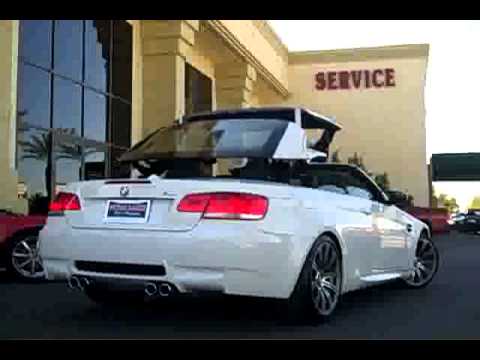 achieved in vehicle safety, you don’t always get what you paid for.
A 2012 Mercedes Benz C class base price is around $35,000. This vehicle performed poorly in the Insurance Institute for Highway Safety’s new test, which simulates the front corner of a car colliding with another vehicle, or a tree or utility pole. Other luxury vehicles priced the same or even higher also performed poorly, such as the Lexus IS 250 and 350, and the 350 is priced well over $35,000, the Audi A4 also was rated “poor”. Other luxury plates only faired marginally well, such as the BMW 3 series and the Volkswagen CC, but are still pricey models. The Infiniti G was rated acceptable, but for $30,000, safety should be more than acceptable. Only the Acura TL and the Volvo S60 earned good ratings. The Acura and the Volvo also price in the $30,000 range. A fancy interior and a powerful engine shouldn’t be the only factor in purchasing a luxury vehicle, safety has to be important. This is a new test performed by the Institute, the institute next plans to test mid-sized, moderately priced cars, but although the test is new, luxury manufacturers owe it to the consumer to protect them, especially when paying several thousand dollars for a vehicle.
Moderately priced cars have not been tested yet, but how do they perform currently? A 2012 Ford Fusion costs around $21,000. The Fusion receives 4 out of 5 stars overall for its safety rating from the National Highway Traffic Safety Administration (NHTSA), it has not been rated under the new crash test yet, these are older safety standards, but it is good to know that affordable vehicles are performing well safety-wise, at least per the old standards. A base Volkswagen Passat, priced even lower than a fusion at around $19,000 actually receives five stars for safety. A Chevrolet Cruze, receives five crash safety stars as well, and prices in between the Passat and Fusion at about $20,000. Hopefully these moderately priced vehicles will also do well in the Institutes new crash standards.
Should safety only be for those who can afford it? How do entry level priced vehicles rate? A Ford Fiesta, priced around $16,000, receives the four out of five star rating in safety tests from the NHTSA. A similarly priced Honda fit also receives four stars. A KIA Rio, which has one of the lowest retail prices on the market, at around $14,000, even receives four out of five stars; safety does not have to come at a price. Per the older NHTSA standard, however, the Audi A4 did receive 4 out of 5 stars for safety overall, but the Lexus 250/350 and Mercedes C class were only rated for rollover risk, they did however receive four out of five stars in that category.
If safety is a big factor in your purchase of a new vehicle don’t assume it will come at a premium. Many affordable cars are still rated high in safety standards per the NHTSA. Also, don’t just assume a pricey car is safe, check the ratings and make sure you are getting what you have paid for. $36,000 should buy you peace of mind.
A major problem in the United States right now is how to get everyone to get car insurance. A new poll has found that approximately one out of every seven drivers on the road today is not properly insured. Drivers need to be proactive and protect themselves because following in line and being uninsured like many other people can be a very costly mistake to make in today’s economy.
One of the states with the highest number of uninsured drivers is Texas. In this state, it is a good idea to not only meet the minimum requirements but to have underinsured/uninsured insurance coverage as well.
This is a great safety net to have in place to protect yourself against those drivers who might have enough coverage to pay your bills if they are at fault for a car accident.
Drivers in the state who do not have enough car insurance coverage can be sued by the other driver or passengers if their medical or repair expenses exceed the terms of their coverage. It really does pay to have more than the minimum coverage to help to prevent this from happening. In today’s economy, health care costs have grown exponentially so a single car accident with one or more seriously injured people could rack up tens of thousands of dollars in medical bills. Most drivers end up owing a lot of money to the individuals that they hurt because their policies do not meet their needs.
For people who have financed vehicles, comprehensive insurance coverage can be a lifesaver. For example, if a driver skids off the road and hits a lamp post, they can file an insurance claim and have their vehicle repaired. The only financial obligation is paying the insurance deductible.
Drivers who have minimum liability insurance have to pay out of pocket for any and all repairs. If the vehicle gets totaled in an accident and it is their fault then the car has to be replaced by them which can be a huge expense to undertake.
It is important to tailor your car insurance policy to minimize as much risk as possible.
For example, if you are a college student with limited means and a relatively short commute to school or work then you would probably want liability coverage only if your car is not financed.
A man who has a used car but has a family of six might want collision or comprehensive coverage on his vehicle if he cannot afford to replace his vehicle and needs it to get to work. Every driver has a different background and story. It is important for everyone to try and stay insured so that insurance rates can go down quickly.
There are few things worse than getting into a car accident. The physical damage to your car, injuries you may suffer and the time you will waste getting your vehicle repaired are just a few of the hassles you will need to deal with. Adding insult to injury is the premium increase. While it varies by a number of factors there is a good chance that your premiums could rise by as much as 40 percent.
While you may thing that a higher premium is automatic after an accident, it doesn’t have to be. Accident Forgiveness is a feature that more and more insurance companies are offering.
What Exactly is Accident Forgiveness?
Simply put, Accident Forgiveness allows a policyholder to have an at-fault accident and avoid a rate increase. This can be a big comfort, giving you peace of mind that even if you are in an accident your premiums will stay the same. In many cases Accident Forgiveness is bundled with a Vanishing Deductible which means that your deductible will drop $100 every year that you are accident free. Unfortunately, like many things in life, there is no such thing as a free lunch.
Accident Forgiveness is almost always an add-on to a policy or only available on high-end policies meaning that you will end up paying an additional charge for Accident Forgiveness. While the increase you will end up paying for Accident Forgiveness is often less than the increase you will experience after an accident, it is not a feature that you will get for free.
The Devil is in the Details
In addition to the higher premium you will be paying, there are other details that you should be aware of before signing up. In many cases you will need to have a clean driving record for the last 3-5 years to even qualify. You will have to read the policy or talk to an agent to determine what type of restrictions and requirements affect the policy you are considering.
As an example, one of the major insurers only offers Accident Forgiveness on their Gold or Platinum plans. The Gold Plan costs roughly 8% more than a standard policy while Platinum is 15% more expensive. With the Platinum plan you are rewarded with Accident Forgiveness immediately, not so with the Gold Plan, you must be accident free for 3 years before Accident Forgiveness is offered.
Is it Worth It?
So is it worth it? It really depends on your driving record and how much you are willing to pay for the peace of mind it offers. If you are a safe driver that has gone years without an accident there is often no need for accident forgiveness. Accident Forgiveness does offer a certain peace of mind so if the cost is minimal you might want to consider adding it to your policy. Remember that if you are in an accident your record will be reset and there is a good chance you will no longer qualify for this add-on.
On the other hand, if you have been in a number of accidents in the past you may want to consider adding it, provided that you qualify. You should also consider the drivers on your policy. If you will be adding a teen driver in the near future Accident Forgiveness can be well worth the cost. Read the fine print as some policies may exclude recently minted drivers.
In the end, deciding to add Accident Forgiveness is a personal decision and will depend on many factors. Running the numbers can often help make the advantages or disadvantages clear. Compare premiums and shop around for the best price on this add-on coverage.
Insurance fraud has been around since the concept of insurance was invented. From fraudulent arson claims in the 1700’s, to stolen vehicle claims in the present, fraud has been around for a long time, and with the promise of easy money, probably always will be. The criminal element has always been an insurance nemesis, and the insurance industry as well as the criminal justice system has constantly been trying to fight it.
One of the biggest problems, and hardest to combat, is automobile insurance fraud. According to The Coalition Against Insurance Fraud, $4.8B to $6.8B in fraudulent automobile claims are paid out annually. The claims range from fraudulent stolen vehicle claims to exaggerated injuries. As long as money is involved a willing participant can be found, such as crooked doctors and mechanics.
Stolen vehicle fraud is the most common form of automobile insurance fraud. In a shaky economy, this form of fraud is on the rise. From not being able to meet car payment obligations, to just trying to make money off of the parts, fake theft claims are a big problem. There are plenty of criminals willing to steal a car for a cut of the insurance payment. The insured then takes the settlement check and pays off their car loan, or if no loan pockets the difference. Another scam is determined to be fraud but may or may not involve the insured. A car is stolen and the vehicle is sent to a “chop shop”, the car is dismantled and the parts are sold to unscrupulous mechanics, or unknowing consumers. Of course the insured may have set-up the theft and on top of the check received from having the vehicle stolen, they may get a percentage of the money made from the “chop shop”. In some cases the sum of the cars parts may be worth more than the car as a whole.
As far as physical damage claims go there are several scenarios that result in insurance fraud, where the damage is real, but the cause is fraud. Just to put a few bucks in their pocket, insured’s have been known to bang up their vehicles to get paid. Someone has a fairly low collision deductible, say $250, they will hit another object, say a tree at slow speed and put in a claim saying hit and run. Since it is called hit and run the insured will not be faulted, and the carrier will pay the claim. Another common problem is adding existing damage to a new claim. Months earlier an insured may have hit something, sustained some damage they could live with so they did not put in a claim, plus it may have been their fault. The insured is now in a new collision that may or may not be their fault. Damage is minor, but they add in the old damage from the earlier accident. Since it now is determined that the accident isn’t the insured’s fault, their deductible may be waived, and the insurance company technically pays for double damage, with no deductible charge.
A really disturbing instance in insurance fraud is who is involved. Chiropractors and physicians are being caught more and more as willing participants in insurance fraud. Although the accident may be legitimate, chiropractors and physicians are willing to beef up injuries to get more money for the claimant, and get a percentage of the payout. An insured may be involved in a minor fender bender and receive no or very minor injuries, they are able to find a doctor or chiropractor willing to say the injuries are much more substantial, thus getting more money for the insured, and a kick-back for themselves.
The cost of fraud isn’t the insurance company’s burden; it is the legitimate insured’s burden. Higher claim payouts mean higher rates for the honest insured. Both insurance companies and the court system are trying to combat fraud. Insurance companies invest millions in fraud units, and private investigators. The courts are trying to implement laws to combat abuse by some medical professionals. Some states do not allow chiropractors to make major medical decisions that result in high medical costs. As long as there is easy money to be made, fraud will exist. The only remedy is constant vigilance by the insurance industry as well as the judicial system. If the damage can be lessened, it will cost all of us less in insurance.
Many people have never been involved in a car accident before. It is important for all drivers to know the proper procedures to follow after a car accident has happened. The first thing to do when the collision is over is to get out of your vehicle and see if the other drive and any passengers are okay. Immediately call 911 to report that an accident has taken place. Never leave even if your car seems okay. It is a good idea to get checked out by an emergency medical technician if you have hit your head or have any lightheadedness or other pain.
It is important to get checked out because any injuries many not be covered by the car insurance company if it is reported too late after a car accident occurs. Once you have filed a police report, have had the accident scene photographed, and have exchanged information with the other driver you can call your car insurance company.
If it is too late in the evening, then make this phone call the next day. It is important to take swift action because delaying the notification will send up red flags to car insurance claims adjusters. He or she will tell you the names of several garages in the area to have your vehicle towed to.
Once a garage is selected, the mechanic will be able to look over the vehicle and put together an estimate to have the car repaired. Later on, a claims adjuster will visit the garage to assess the damage and find out how much the repairs will cost. In some instances, a car’s damage will far exceed its value which will mean that the car will likely not be repaired but a check will be written for the value of the car.
If you have a car insurance deductible in place, then you will need to pay this amount to your insurance company. It can take a few weeks to have a car insurance claim settled. This is due to the fact that the claims adjuster needs to determine who is at fault for the accident. It is a good idea for drivers to ask their car insurers if they will cover a car rental while their vehicle is being repaired. It can be very difficult to be without a car for a long time.
Once a claim has been settled, drivers will receive their compensation check. After the check is cut and cashed, a driver cannot go back to their car insurance company and request more money for repairs. It is crucial to go to a certified garage and have repairs done. Some people are taken advantage of so it is better to be safe than sorry.
Thousands of people across the country commit DUI offenses every year. It is important to understand how to address having a DUI offense and getting or maintaining car insurance coverage.
By law, once a person is found guilty of a DUI offense, they must take out SR-22 or FR-44 insurance coverage. This is basically a promise stating that you will be insured for the next three years continuously. If at any time the car insurance coverage lapses, then the driver will face a driver’s license revocation and fines.
Some drivers are under the impression that they have to maintain this coverage through the same car insurance company for all three years. However, this is not true at all. Every driver has the right to switch car insurance companies if they wish. Many drivers do make a switch after six months or more to try and save money on their insurance coverage because the DUI offense has made their premium rates skyrocket.
A person who switches providers does not have to worry about getting any surcharges if they do not allow the coverage to lapse. It is important to time the switch accordingly to avoid getting into any trouble. It is important to shop around for this type of coverage because each car insurance company assesses a person’s driving record differently when they have a DUI offense on it. Shopping around can save a person thousands of dollars which can be a lifesaver in today’s economy.
It is crucial for people to keep their driving records clean after committing a DUI offense because each additional traffic or criminal offense adds an additional time period where the driving record will have blemishes.
One way to help to alleviate the higher premiums is to try to take defensive driver and other courses to show insurers that the DUI was a one-time mistake. It is a good idea to meet with an independent insurance agent when transferring a SR-22 or FR-44 from one insurance company to another. This is due to the fact that the switch needs to be done very quickly.
The process has to work in order for the state to not issue a penalty. This means that the new insurance company needs to have processed all of the paper work and submitted everything on their end to the state so that the coverage stays in effect. If it does not, then there are big problems.
Getting a DUI offense is something that is very serious. States know this which is why they penalize drivers by making them produce proof that they will be financially responsible for maintaining insurance coverage at all times for three years. It is important for drivers to educate themselves on this law because it could impact them at some point in time.
The state of California has always been a pioneer when it comes to car insurance laws. Now, a new proposition is making waves in the state. This proposition is called Proposition 33 and the reason why it is so controversial is because it states that drivers can take their discounts from one car insurance company to another.
Many people in the insurance industry are up in arms about this move because it would cost them customers and revenues. There are two sides of the issue. People who support the measure have said that it will help consumers in the long run. They will be able to shop for the cheapest insurance premium rates possible and change insurers while also preserving their discounts.
Many people in the state have clean driving records and they would be rewarded if this proposition is passed. However, on the other side of the coin, people who oppose the measure have stated that other customers who cancel their insurance policies would be punished with higher insurance premiums.
Many drivers cancel their car insurance policies for personal reasons such as their financial situations have changed, their needs have changed, or they have become ill and can no longer drive as often. Now, these drivers would be given a surcharge for cancelling their insurance policies.
Voters will have the final say on this matter in November. This is a big decision because it will impact the lives of millions of drivers in the state. It is important for drivers to understand the proposition in its entirety before they cast their vote in less than three months.
Before a driver cancels their insurance policy, they need to weigh the pros and cons of doing it. Allowing an insurance policy to lapse can cause problems, especially if the driver will want to get insured down the road. Any time that a car insurance policy lapses, it sends up red flags to potential insurers.
Some car insurance companies already offer consumers user based insurance policies. This type of policy assesses a driver’s driving record alone to determine risk. Traditional policies look at age, gender, credit score, location, and number of claims before they make a determination of risk. For many consumers, the user based policies can be a lifesaver if they have a clean driving record.
It is crucial for all drivers to make sure that they are aware of what their driving record says before they decide to change insurance companies. Each time that a change is made, drivers can expect to receive different premium rates and coverage. It is important to read all of your policy documents because each insurance carrier has different rules and coverage limits even when they transfer discounts.

