The average car insurance premium for a college student is between $1,500 and $4,500 per year. These premiums are high because traditional college students fall into an age category considered more likely to drive recklessly. That means they are going to be a greater risk to the insurance company. However, there are a variety of ways to cut down those costs.
Students – both high school and college students – can qualify for discounts based on their grade point average. The discount amount and qualifying GPA differ from insurer to insurer but if a student is earning at least a 3.0 most companies will reduce the premiums. The idea, of course, is that students who do well in school will also be more responsible on the roads thus their risk of causing or being involved in an accident is lower.
College bound students may also be eligible for discounts simply because they have to leave their cars behind. Many universities do not allow freshmen to have cars at school with them, usually due to limited parking availability. Parents or students may be tempted to simply cancel the coverage since the vehicle will not be driven. However that can cost the student later – not continuing coverage consistently can be a factor leading to higher premiums.
Instead of outright cancellation, some insurers will suspend coverage for the period the vehicle is not being used or will offer a discount because the car is accumulating very few miles. Students who do live on campus and have their vehicles with them may still qualify for the latter discount.
For students who are purchasing a car for college, insurance premiums can vary depending on the type purchased. Used cars are typically a better value in terms of premiums than new cars, especially for young drivers.
Student loans can also affect car insurance premiums. Because so many insurance companies are now using credit scores as factors in determining premiums, students carrying a significant amount of loan debt can see their scores reduced and their premiums increased. The problem can be exacerbated because so many college students also start taking out credit cards during this time. According to a 2009 student, over 80% of undergraduates had at least one credit card with around half of those students having more than four cards. The same study found that only one-fourth of students paid their balances off in full every month.
Either the student or the parents need to let the insurance company know about changes that may affect the coverage. For example, if a student is taking the car to an out-of-state college then that might cause a problem with the coverage. Those potential issues need to be ironed out before the coverage is needed, such as after the student causes an expensive accident.
Working closely with an insurance company ensures the insured will get the discounts he or she deserves and will have the appropriate coverage needed.
Auto insurance premiums can take a bite out of any family’s budget. As recent studies have shown, these premiums can swallow up as much as 8% of a person’s income. With most drivers still feeling the pinch of a struggling economy, more insurance companies and states are introducing a new approach to calculating premiums. This method is known as Pay as You Drive or PAYD.
As of August 2012, 34 states have passed laws to permit PAYD insurance. With this approach to coverage, drivers’ premiums are influenced by how little or how much they drive. This makes sense because the more someone is on the road the more likely he or she will be to have an accident. Low mileage drivers are less risky and, therefore, should pay less in premiums. Of course, other factors also go into the calculations, such as driving record, age, marital status, and often credit score. However, keeping the car in the garage can be one way to offset some of the increases brought about by these other factors.
PAYD works in different ways depending on the insurance company. In some cases, the odometer is checked and used to calculate the discount. In other cases, driving habits are monitored using equipment placed in the car. The latter option may seem more intrusive but it does offer faster feedback to insurers and thus quicker premium reductions for the insured.
Proponents of PAYD see more benefits than simply cost savings with this approach. They also believe it could be better for the environment by encouraging more drivers to choose alternative means of travel. If fewer drivers were on the road, carbon dioxide emissions would decrease as would oil consumption. Fewer cars on the road also mean fewer accidents – another potential benefit of widespread PAYD adoption.
Others point out that PAYD systems are fairer because they base premiums on the risk of that driver instead of on people who happen to share demographic factors. For example, conscientious male drivers who spend less time on the road might pay less than a female driver who spends hours a day commuting. Younger drivers might also reap the benefits, too, because they typically drive less than their older counterparts.
Regardless of the benefits, PAYD does have some negative aspects as detractors have pointed out. Many opponents point out that the devices used to monitor driving behaviors are infringing on the driver’s privacy. In some cases, GPS systems are used to monitor the vehicles so that every location that driver visits is monitored. Of course, the current systems do this with the driver’s permission. In the future, opponents argue, drivers may be forced to use these devices in order to purchase insurance at all.
Another issue is that the PAYD system is based on future risk and is, therefore, not going to perfectly predict a driver’s likelihood of having an accident. The same argument could be made for the current system, however.
As more states make PAYD available to drivers, more people will be able to experience those potential benefits and weigh them against those negatives.
It is very likely that most drivers will be involved in at least one car accident in their lifetime. It is important for drivers to understand what happens after a car accident takes place.
The first thing to understand is that a police report needs to be filed every time a car accident occurs. This helps to provide photographic and witness information about every accident. Claims adjusters will need this information to process the insurance claim.
The second thing to know is that the police do not make a determination of fault at the accident scene. This is done by a claims adjuster. Many drivers think that the person who is at fault will automatically be told at the scene but that is just a myth.
Next, keep in mind that you should call your car insurance company to report that an accident has occurred. You do not have to meet in person with the claims adjuster right away. You can wait a few days to make your official statement about what transpired during the car accident. This can really help people who are injured or who have been shaken up by the car accident.
The fourth thing to know is that your car will not be fixed if you have liability only car insurance coverage if you were at fault for the accident. Many drivers think that their insurance coverage will repair their car no matter what but this is not always what happens. It is important for drivers to know what type of car insurance coverage they have so that they know what it covers and what it does not.
The fifth thing to know is that your car insurance coverage cannot be cancelled just for making an insurance claim. Some people are afraid to file an insurance claim because they fear that their insurance will be canceled.
Another fear is that their car insurance premiums will skyrocket. If a driver was not at fault for an accident then these two scenarios are highly unlikely. However, if a driver was impaired by drugs or alcohol or was driving recklessly then they will probably have their car insurance coverage cancelled due to their behavior behind the wheel.
The sixth thing to know is that if you are incurring medical bills and lost wages then you should consider contacting a lawyer for help. In some situations, people who have been involved in car accidents should seek legal advice. Car insurance companies can be difficult to deal with when trying to collect compensation for medical payments and lost wages. Some people avoid contacting a lawyer because they feel that it is too expensive for them. It is always a good idea to at least get a free consultation to know what your options are.
If the race to break free of oil dependence was an Olympic event, Brazil would leave the United States in the dust. The U.S. imports 58% of its oil from other countries. Want to know how much oil Brazil imports yearly? Zero. That’s right, while Brazil imported 80% of its oil in the 1970s, today that figure is zero. And it’s not because they’re pumping more of their own oil out of the ground. It’s because of ethanol.
Brazil is a world leader in alternative fuel use, boasting that all of its light vehicles run either on a mix of gas and ethanol (flex-fuel), or ethanol alone. Ethanol made from sugar cane has roughly 90% less carbon emissions than gasoline.
Brazil set out on the road to oil independence forty years ago, when gas prices were sky high and drivers the world over were struggling to keep their gas tanks full. That’s when they started making ethanol out of the sugar cane that grows abundantly in the sun-rich country.
But it wasn’t enough to just make tons of ethanol out of sugar cane. The government of Brazil spent billions to develop an infrastructure to support the fuel, including building pipelines, building factories and providing tax incentives. Today the country has the most efficient ethanol production facilities in the world. It helps that ethanol made from sugar cane is much more energy efficient than corn-based ethanol. In fact, because growing and distilling ethanol from corn requires more land and fossil fuel than sugar cane, environmentalists argue that it actually does more harm to the environment than good. Scientific studies show that the corn-based version made in the U.S. produces just a little more energy than it spends to produce, while ethanol from sugar cane produces eight times as much energy than is required to make it.
Consumers in the U.S. will soon have an opportunity to experience the benefits of sugar-based ethanol. Tax breaks for the production of corn ethanol in the U.S. have recently expired, which will make it cheaper to import from Brazil.

Embed This Graphic on Your Site
The Most Dependable Car On the Roady Today.
Out of every 100 cars the industry average is 132 problems per 100 cars. Lexus, Porsche and Toyota have less problems with there vehicles where BMW, Jeep Dodge and Chrysler have more problems with there vehicles than the industry average.
2012 Vehicle Dependability.
The overall most dependable vehicles on the road by category are:
Sub Compact Car – Toyota Yaris and Scion xD
Compact Sporty Car – Scion tC and Mini Cooper
Midsize Car – Ford Fusion and Mitsubishi Galant
Large Car – Buick Lucerne and Toyota Avalon
The Top Safety Picks 2012. (based on performance in high-speed front and side crash tests, a rollover test, plus evaluations of seat/head restraints for protection against neck injuries in rear impacts)
Mini Cars – Fiat 500, Ford Fiesta and Honda Fit
Small Cars – Chevrolet Cruze, Kia Soul, and Mazda 3
Midsize Cars (moderately priced) – Audi A3, Buick Verano, and Chevrolet Malibu
Midsize Cars (luxury priced) – Acura TL, BMW 3, and Mercedes C
Large Cars – Buick LaCrosse, Chrysler 300, and Hyundai Azera
Large Cars (luxury priced) – Audi A6, BMW 5, and Cadillac CTS
Best Visibility (scores are a composite of how well drivers of different sizes can see forward, to the rear, to the sides, and while using inside and outside mirrors)
Subaru Forester
Nissan Altima
Hyundai Azera
Infiniti G Sedan
Teens are the segment of drivers that have the most risk. As the summer comes to a close, teens will be doing even more socializing with their peers from school. In the state of New Jersey, teens will be facing even tougher driving restrictions. A few decades ago, many young teens would be able to be in a car together and go on double dates and outings. This is not going to happen in the state as much anymore.
The state has a curfew for young drivers so that they cannot drive during the later hours of the day. All teen drivers will have to place a red decal on their license plates. This will allow police officers to find teens who are breaking curfew or who have too many young passengers in the car.
Some people have complained that this change will hurt teens socially because they will not be able to go on double dates and go out late. Parents say that they think that politicians need to stop doing the jobs of parents. Law makers have stated that the stricter licensing laws have helped to reduce the number of teen related fatalities in the state.
A study has found that more than 66 percent of teen related driving fatalities happen because of a teen driver. This means that it is important for teens to be as careful as they possibly can. Many teen drivers do not take driving seriously and they do not understand the risks that are out there on the roads.
If a teen driver has one passenger in the car with them, then they are 44 percent more likely to have a car accident. The overall risk is 400% more when there are three or more passengers in the vehicle. New Jersey has made it so that teens can get licenses at 17 and there are also texting while driving bans in place. These laws are designed to produce more mature drivers who will pose less of a risk to insure. Car insurance companies make teens pay more for coverage because many of them have shown that they do not drive carefully.
In the state of Pennsylvania, teens will have to practice driving for 65 hours and will only be allowed to have one passenger in the car with them. This law may seem harsh but it is important to helping teen drivers stay as focused when behind the wheel as possible.
Double dates may seem fun, but many teens can lose track of time and be on the road at very late hours. The less visibility a driver has, the more likely they are to become involved in an accident. Hopefully, teens will be safer with this new law on the books.
In these tough economic times even the smallest hiccup in your finances can cause some big ripple effects. An unexpected bill or repair can put your next rent check or car insurance payment into jeopardy. If mounting bills and a declining income have you screaming, “I can’t afford my car insurance”, you have come to the right place. Here are a few strategies for making your car insurance more affordable:
Car Insurance is Necessary
The one thing you want to avoid is a lapse in insurance. Carrying the proper liability coverage is required by law in every state except New Hampshire and driving without insurance can have very expensive consequences. While penalties vary by state, fines, suspension of your license and impounding of your car are common if you are pulled over for driving without insurance. If you have the misfortune of causing a serious accident without liability coverage, all of your personal assets could be at risk as victims often sue for damages.
Lapses Can be Expensive
Letting your insurance lapse due to non-payment can be expensive. The grace period can be quite short, in most cases you will have roughly 10 days to pay your premium. Once your policy lapses you will have to reapply for car insurance and in almost all cases your rates will be higher. Drivers who let their policies lapse paid 8.8 percent more for car insurance than those who had continuous coverage. Insurers consider non-payers a bigger risk and charge accordingly.
Preventing a Lapse
While you may find your car insurance payment a challenge, letting your insurance lapse can be a much bigger expense. Fortunately there are a number of things you can do to lower your payment:
- Shop Around – This is the number one way to lower your car insurance costs. Insurers rate risk differently so there can be dramatic differences in rates. Request rate quotes online and work with local agents to find the best coverage. While shopping around can be a hassle it may just bring your premium back into the affordable range.
- Drop Coverages – If your car is getting older and you own it outright it might make sense to drop comprehensive and collision. Dropping unnecessary coverage can lower your rates substantially but remember you will be on the hook for repair costs should you be in an accident.
Unfortunately, if are leasing or financing the vehicle this strategy is not an option. A lien holder will require you to carry full coverage and if you try to drop it the insurer has to notify the lien holder by law. The lien holder may repossess the vehicle or put forced placed insurance on the vehicle and add it to your car payment. Forced placed insurance is expensive and only covers the vehicle leaving you exposed to liability issues.
- Raise Deductibles – While this strategy is not going to cut your premium in half, every little bit helps when it comes to making car insurance more affordable. If possible, double your deductibles to save as much as possible. Be sure you have enough in savings to cover the deductible in the event you are in an accident.
- Switch Cars – While this may seem extreme and should be used as a last resort this is often the best way to dramatically cut your insurance costs. If you are financing or leasing a newer car that requires full coverage, trading it in for a used vehicle that you can afford outright can result in huge savings.
Car insurance is necessary and letting it lapse can be expensive so looking for ways to lower your costs and make your premiums affordable is a smart move.
By Aaron Crowe
As summer ends and students start driving to school again, it may look like some of those teens are driving with a hole in their head — speeding, illegal turns and taking chances while driving.
While part of their brain isn’t really missing, a teenager’s brain isn’t fully developed yet and their decision making processes may look like they’re missing a part of their brain. Nothing is actually missing, it’s just that the frontal lobe — which monitors motor skills and emotional maturity — isn’t fully developed in teens and can lead to more risk taking and being unable to perform complex maneuvers.
Teen drivers are “more in the moment” and unable to make quick decisions well and foresee what their actions will lead to, says Dr. John Mayer, who lectures at schools on the differences in MRIs of the brains of teens and adults to show how teens’ brains aren’t fully developed in the decision making process.
“Teens are consistently weak in the ability to chain events together for a result,” Mayer says.
For example, not signaling and quickly driving across three lanes of traffic because they forgot their exit has approached is a move teen drivers will make without realizing it could affect the drivers behind them. “They don’t think of the larger consequences,” he says.
The frontal lobe — just behind the forehead — doesn’t fully develop until age 20-25, Mayer says. That doesn’t mean young people shouldn’t be driving before age 25, but that they’re taught through repetition and correct behavior how to drive, he says.
Graduate licensing laws — which every state has — help lessen teenage driving accidents by phasing in how teens can drive. They begin with a learner’s permit and progress to a license with restrictions, and finally an unrestricted license.
Oklahoma, for example, allows drivers who are at least 15 and six moths old who have completed driver’s education courses to get a learner permit and drive only when accompanied by a licensed driver who is at least 21 years old. To get the next step — an intermediate license — they must have a learner permit for six months and at least 50 hours of behind-the-wheel training from a licensed driver, no traffic convictions, and pass a driving skills exam.
To get an unrestricted license, they must have an intermediate license for six months, have no traffic convictions, or be 18 and pass all driving and vision exams.
Some states such as California don’t let teens with restricted licenses drive between 11 p.m. and 5 a.m.
Graduated licenses help lower accidents, according to a 2006 estimate by the Insurance Institute of Highway Safety, which found that graduated license laws reduced accidents for 16-year-olds by 23%, preventing more than 8,000 accidents and injuries among teens.
For parents trying to teach their children responsibilities, graduated licenses are a smart move, Mayer says.
“You act like an adult, you get treated like an adult. You act like a child, you get treated like a child” and don’t get to drive, he says.
Getting a teen to take out the garbage or feed the dog isn’t as important as learning how to drive, but all can be a set of steps to becoming a responsible adult.
“Parents need to be aware of when young people are responsible and ready to drive,” Mayer says.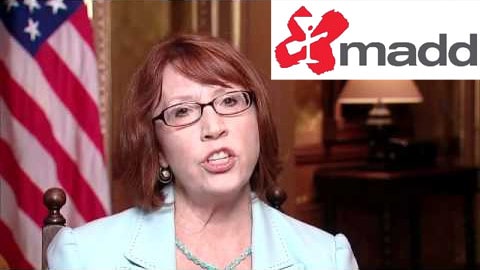
One of the best things parents can do in teaching their children to drive is to be good role models by being good drivers and using their seatbelts, says Jan Withers, national president of MADD, or Mothers Against Drunk Driving.
Graduated licenses are important, Withers says, but so is the experience level of young drivers who don’t have enough driving experience to make quick decisions.
While they’ll never have the experiences that older drivers have, teens can get help working on how they make decisions driving, says Robbie Cutcliffe, who owns the Wheels driving school in Milwaukee, Wis.
“Their decision-making process may not be fully developed yet, but they can still make decisions,” Cutcliffe says. “They just make decisions for different reasons, I think.”
Those reasons include wanting to be respected, which Cutcliffe realized when he was a young driver included not driving fast because it was disrespectful to other drivers.
Knowing not to text on a cellphone while driving is common knowledge, but teens still do it because they think they’re immune to being in an accident, says Cutcliffe, who teaches drivers how to avoid accidents with emergency braking and skid control so they can stop the car in the shortest distance possible.
Banning people from driving until their mature enough to drive isn’t the answer, partly because the lack of good public transportation in the United States makes driving a necessity for many young people, says Maria Wojtczak, who owns Driving MBA, a driving school in Arizona.
“I don’t think that we can wait until the frontal lobe is fully developed before we let kids drive,” says Wojtczak, who adds that getting a license is “not a right of passage” that should be given to teens.
Parents should be made aware of a teen’s brain development when the teen takes a driving course, and shouldn’t back off in disciplining their driving habits, she says. That includes not allowing multiple passengers when a teen is driving, as some state laws do, and having a GPS unit so the parent knows where the teen is at, she says.
As the MADD president said, maybe the best way for parents to teach teens how to drive is to be good drivers themselves.
“The parents play a huge role in how their teens drive,” says Cutcliffe, the driving instructor.
A parent who is constantly talking on their cellphone while driving is modeling a behavior that even an undeveloped frontal lobe of the brain can realize is a bad idea.
Aaron Crowe is a writer in the San Francisco Bay Area who specializes in personal finance topics for CheapCarInsurance.net.
It’s no surprise to anyone that a driving violation will cost you. It will cost you in the form of a traffic ticket, but it will also impact your insurance for years. From an  expired inspection sticker to a driving under the influence infraction, you will pay for these misdeeds for years to come.
A simple, seemingly harmless violation such as letting your vehicle safety inspection sticker expire will result in a blow to your insurance. In Massachusetts for example there is a Safe Driver Insurance Plan, most states have similar programs. The absolute best credit code to receive is 99, for licensed drivers who have been free of incidents for six or more years. Any safety or moving violation will add substantial premium dollars.
A minor traffic law violation in Massachusetts will result in two negative points. An expired, missing or not displaying safety and emissions inspection sticker will cost you two points. What seems like a simple mistake, you may have just forgotten to renew it, and you think your car is up to snuff as far as safety and emissions go, is still going to hit you in your wallet. Even leaving your vehicle unattended with the motor running is considered a two point hit in Massachusetts. A major traffic law violation, is where the damage will really be done to your auto insurance premium, these infractions result in a five point surcharge. Of course it could also result in a criminal penalty and prison time. Examples of major violations are driving with a suspended license, all the way to vehicular homicide. A minor at fault accident sounds relatively harmless, but if the damage is over $500, which is pretty easy to get to, it is a three point ding. A little accident in the store parking lot is significant. A major accident is considered over $2,000, again, not too hard to get to, especially if you it’s your fault and you hit an expensive car in a vulnerable spot. That’s a whopping four points. You could have a blind spot, back into the door of a $100,000 Mercedes and being paying for it for years.
What does the difference in points add up to? In Massachusetts you receive somewhat of a base premium at a “00” rating, for no credit or surcharge points. Six years of clean driving give you the “99” rating, resulting in a 17% credit across the board for affected compulsory and optional coverage’s, bodily injury and collision coverage for example. That two point violation is going to hit you pretty hard. After the violation you lose your 17% credit, and are at the 15% surcharge rate. It climbs substantially higher if the offense is more serious, or other even minor offenses are accumulated. Three points, up 30%, four points up 45%, five points up to 60%, it goes on and on to a maximum of a 675% increase off the base premium, if the license hasn’t been revoked or suspended by the 675% surcharge. Starting at a base of $1,000, your “99” rating will show an $830 premium. Have that little fender bender at three points, and that $830 goes to $1,300. Driving with a suspended or revoked license will take you from $830 to $1,600, if you are fortunate enough to be allowed to drive again. This is just per offense; it is not uncommon at all for someone to receive a two point traffic violation, and a major accident surcharge in the same year, adding up to six points, and a 75% increase in their base premium. These points take years to come off, typically one point per year, if you are a clean driver each following year. Of course this all varies from state to state, but the infraction laws are pretty similar, the points and surcharge adjustments vary.
The next time you are thinking about taking that “No Turn on Red”, don’t just worry about the traffic ticket, worry about that surcharge that’s going to follow you for a few years.
New cars cost a lot of money these days. There are enticing no money down offers everywhere. People are willing to pay $500 a month for a car, especially if they don’t  have use too much of a down payment, or they are offered a low finance rate. The big problem here is once you turn out of the dealer’s lot, the value of your “new” car has already dropped, 15 to 20%, some brands worse than others.
According to Cars.com, a 2011 Chevrolet Impala LTZ costs approximately $30,035 brand new at retail pricing. After only one year, and driving only 12,000 miles per year, the suggested used retail price drops dramatically to $19,603, over a 35% drop in value, and 12,000 miles per year is below average mileage. If your 2011 Chevrolet Impala LTZ is in an accident and deemed a total loss, or stolen and never recovered, you may owe more on your car loan than what the car is worth, due to its low re-sale value. This is where Guaranteed Asset Protection, or GAP coverage, can be beneficial.
Gap coverage will pay the difference between actual cash value of the vehicle and what remains on the automobile loan or lease. In a situation like this, say owning the Impala, you may have only put $2,000 down on a $30,000 car. After a year, even at a low interest rate, you may have only paid down approximately $5,000 of the original $28,000 car loan, excluding taxes and fees. This leaves the “gap”. You may now owe up to $4,000, so no car and you still owe money. Here the GAP coverage seems like a sound investment. The question is how much extra is the coverage?
The coverage is typically not that expensive. It is where it is purchased that makes the difference. If the dealer is selling GAP coverage they are a middle man, and want to tack on some more money to their sale. GAP can be shopped around just like any other type of insurance, banks and credit unions can offer this coverage, and of course your insurance agent. A quick investigation into an online credit union offered a flat $350 quotation for GAP, of course this is subject to verification and different criteria, but it shows that it is a relatively inexpensive form of protection that covers the life of the loan. Coverage can also be purchased on a used vehicle; certain restrictions apply, but may not be as necessary since much of the value of the vehicle depreciates in the first few years. You can even buy GAP coverage after the fact. It’s not too late if you have never heard of GAP when you bought your car and still owe a lot on your loan, if this coverage appeals to you look into endorsing the coverage. Ask your agent, or check your policy, with the competitiveness of personal automobile insurance these days many carriers are including GAP free in automobile policies.
Finally, depending upon your lease or loan you may be required to purchase GAP coverage. If you are not required to purchase GAP, then consider some of the factors involved that make GAP beneficial. Are you putting little money down or taking out a longer loan? Does the vehicle you are purchasing historically not hold its value well? Do you drive more miles than the average driver? This hurts in the value of the vehicle. It can be a relatively small amount of insurance for peace of mind, but shop around for the best deal; it’s definitely a buyer’s market.
When we consider the factors affecting auto insurance premiums, one that often gets overlooked is the impact of state insurance regulations. These laws differ widely between states, and the requirements in each do affect how much you have to pay for coverage.
A good example is the impact no-fault insurance regulations have had on price. In a recent study of the highest priced insurance premiums by state, four of the ten most expensive were no-fault states. That’s significant since only a dozen of the states fall into this category. Interestingly, no-fault laws were originally adopted to make premiums cheaper. The idea was that getting rid of the court cases involved in auto accidents would make things cheaper on the insurance companies and those savings would be passed along to the consumer.
Instead, many of these states have seen skyrocketing premiums. In Michigan, which is the most expensive state, premiums represent over 8% of the median family income. In Florida, which ranked as the tenth most expensive state, families pay more than 3.3% of their income for premiums. Both states suffer from the same problem: they require personal injury protection coverage.
With no fault insurance, drivers submit claims to their own insurance company. Personal injury protection, or PIP, covers the medical bills. As medical costs have skyrocketed, insurance companies face higher and higher claims. They also face fraudulent claims with some drivers faking accidents in order to receive money. In Michigan, the amount of money paid to an injured driver is unlimited and can go on as long as necessary. That means one accident could cost an insurance company millions of dollars and those costs are passed onto the consumer.
On the other hand, Hawaii was one of only two no-fault states to be ranked among the ten cheapest for auto insurance premiums in the same study. Like other no-fault states, Hawaii requires PIP coverage as part of their insurance regulations. However, the state limits the amount that can be paid through such a policy. If the claims exceed that amount, the at- fault driver’s insurance will pay the remainder. Consequently, insurance buyers in Hawaii are also required to purchase liability policies to cover property damage and medical bills.
Tort states, such as Louisiana, can also be expensive. These states require the insurance company of the driver at fault to pay for the other driver’s injuries and damages. In the case of Louisiana, nearly half of auto accidents involve the hiring of a lawyer at some point and all of those court battles cost insurance companies a lot. Those expensive are passed onto consumers in higher premiums.
Other tort states keep costs low by setting prices. North Carolina, for example, has an organization consisting of all the state’s licensed insurers, and they determine the price for coverage. While companies can offer lower prices, they rarely charge more. However, they also have the option to refuse high-risk drivers coverage.
As these examples illustrate, each state’s rules can impact the premiums you pay. Short of moving to another state or petitioning your state government to change the rules, these are issues you have little control over.
Most states require drivers to provide proof of insurance coverage. That used to mean keeping a paper copy of your insurance card in the glove compartment or other handy location in your automobile. Now it could mean showing the police officer your smartphone.
Three U. S. states have already passed laws that allow electronic evidence of auto insurance to be accepted. Louisiana, Idaho, and Arizona put these laws into effect in July and August 2012 with California currently considering a similar bill. In Colorado and Alabama, drivers can use electronic proof of insurance when they register their vehicles.
Clearly, these laws do provide benefits. Drivers don’t have to worry about digging around for a paper card if they get pulled over. Instead, they can turn on their smartphone, tablet, or similar device. Ideally, this would make the situation move faster. They would also have nearly instant access to their insurance proof instead of having to wait to receive the card by mail or printing off copies. Since most people always carry their phones, they would also have constant access to their proof of insurance. This may be a particularly important benefit in Louisiana where a new law also requires the impounding of a vehicle if the driver cannot produce proof of insurance.
However, some California officials have raised concerns about motorists’ privacy. If they hand over their smartphone to the officer, the possibility exists that personal information not related to the traffic stop might also be discovered. The chances of an officer snooping on a driver’s phone during a stop might seem far-fetched but the possibility for accidental incrimination does exist. A poorly timed text message from a friend discussing marijuana use, for example, could pop up while the officer is looking at the phone. Despite those concerns, the California Senate passed the bill on August 9th.
Most of the largest insurance companies offer customers the option of having an electronic copy of their insurance card. In some cases, the companies offer apps for smartphones and tablets that will make it even easier for drivers to access their insurance proof. For those without such luxuries, most of these states do give drivers the option to scan and upload electronic copies of their insurance policy or card. Of course, all of the states still accept the traditional paper copy of the card.
Except for minor privacy concerns, efforts to make electronic proof legally acceptable have met with positive feedback from the insurance industry, lawmakers, and consumers. That means California is unlikely to be the last state to join the ranks who accept this form of proof. In the future, paper insurance cards will no longer be necessary. As more cars offer built-in Internet connectivity, the future may have proof of insurance available right from the vehicle instead of needing a second device.
In general, this move towards greater consumer convenience is probably a signal of what the future holds for drivers, insurance providers, and law enforcement.
Many people who are disabled are able to get specially modified vehicles so that they can get a driver’s license. A new study has found that men and women who are disabled and live in New York pay almost thirty percent more for their car insurance premiums than those who are not disabled.
The main reason behind this disparity is that people who are disabled often need to purchase vehicles that make a car operate differently. For example, a person who is paralyzed from the waist down would not be able to operate a car with a brake or gas pedal. The car would have to be modified to have these pedals become levers on a steering wheel which would increase the overall cost of the vehicle. When insurance companies determine risk, they look at the overall cost that it would take to replace a driver’s vehicle if it is stolen or totaled. These vehicles are often valued at over $50,000 because of all of their modifications so it can add extra expense to monthly car insurance premiums.
On average, drivers who are disabled will pay a little more than $2,800 for their car insurance premiums while non-disabled drivers will pay less than $2,200. In today’s economy, this can be a tough pill for disabled individuals to have to swallow. Some drivers have stated that car insurance companies do not have the right to charge more but it is technically not a form of discrimination since all drivers are charged based on certain criteria. A non-disabled driver might pay more for their insurance coverage if their car costs more than a modified vehicle and their driving record has blemishes on it.
It is important for disabled drivers to have a modified vehicle that suits their needs. It is a good idea to have a car insurance policy that will cover these modifications so that if the vehicle is totaled or stolen, they can be replaced. Wheel chair lifts, ramps, and modified steering wheels can be expensive so it is important to have a comprehensive insurance policy because liability only policies are not very cost effective with these vehicles.
It is important for disabled drivers to have clean driving records to help them to be able to offset the increase in insurance premiums that they will pay. New York is a state with a lot of drivers which means that there are huge car insurance pools. This can help drivers pay less for their car insurance premiums if they minimize their risk as much as possible. In today’s economy, drivers need to consider driving less and buying less valuable vehicles if they can so that they can reduce the amount of money that they need to pay for coverage.
Imagine cruising down Main Street and as you cross an intersection a car broadsides you. Your car spins sideways and the airbag is triggered. Your car has extensive damage and you end up in the hospital for minor injuries. The next few weeks or months are going to be spent dealing with car repairs, hospital bills and insurance claims. Behind all of this will be a claims adjuster, and how you deal with them could determine if you are fairly reimbursed for your repair and medical bills.
What is a Claims Adjuster?
Auto claims adjusters can work independently for a number of insurance companies or attached to a single insurance company. They investigate the facts of an accident and approve or decline a claim. If a claim is to be paid they will determine the amount offered for your car or medical bills. Claim adjusters inspect your car, take photos and review police reports to determine if they will honor a claim. While the majority of adjusters are honest people just doing their jobs, its important to remember that the insurance company signs their paychecks and their number one goal is to settle claims as inexpensively as possible.
How to Deal With an Adjuster
There are many ways that you can help an adjuster pay out less than you deserve. Knowing how to handle your dealings with an adjuster can make a big difference in your claim check.
Review Your Policy – Before meeting with an adjuster be sure to review your policy and have a full understanding of the coverage it offers. Familiarize yourself with sections involving claims and your rights in the claim process. Does your policy allow you to hire your own adjuster?
Shut Up – When dealing with an adjuster it is best not to admit fault or give anything other than the bare minimum details. If you end up fighting the settlement offer and find yourself in court these initial statements can end up hurting your case. Do not discuss the specifics of your injuries and do not allow them to access your full medical records.
Be Polite and Take Notes – Getting angry and abusive has never helped a claims negotiation. Stay calm and polite. When dealing with an adjuster be sure to take notes. Get the name of everyone you talk to and who they are representing. Keep all of these notes in a file which you may need if you end up in court.
Never Take the First Offer – A quick settlement may sound great, but it could end up costing you a fortune. Adjusters often get a bonus if they settle cases quickly. Don’t pad their paycheck. Never settle quickly and don’t take their first offer. While you may feel fine after an accident, a week later you may find you have been injured or your injuries are much more extensive than you first thought. If you have signed a settlement offer you could find yourself on the hook for your medical bills.
The same goes for a car settlement. Start gathering comparative car values as soon as you can. Be prepared to negotiate with the adjuster if you are not happy with the settlement offer. Request that they only use the top five comparatives which can raise the average value, raising your payout.
Avoid Preferred Shops – Every adjuster has a preferred repair shop that they will try to steer you to if your car is being repaired. Politely decline and take it to the shop of your choice. Preferred shops will often repair a car to the insurers specifications, which might not be in your best interest.
Be sure that you read and understand any paperwork before signing it. Be patient and do your research when dealing with an auto insurance claim. If your injuries are extensive you may want to consider hiring a lawyer. Arming yourself with these tips should help you get the best settlement possible.
Starting a new job is always stressful, but if you (or your teenager) have gotten a job as a pizza delivery driver your stress levels may soon be off the charts. Delivery driving can be more dangerous than you might imagine and if you are in an accident, you will want to make sure your insurance is in order.
Delivery Driving Can be Dangerous
While slinging pizzas seems simple enough, it can be a dangerous job. Accidents, bad weather, and even unhappy customers can turn a routine delivery in to a life-changing event. The more time you spend on the road the greater your odds of an accident and if you or your employer is not carrying the right coverage, the consequences can be dire.
While nobody keeps accident statistics on pizza delivery drivers they do fall into a category that is considered one of the most dangerous jobs in the U.S. The Bureau of Labor Statistics (BLS), which ranks dangerous jobs, found that the driver/sales worker and truck driver category, including all types of delivery drivers was the 8th most dangerous job in America.
Despite the danger of zooming around town delivery drivers earn on average a measly $7.32 per hour.
Delivery Driver Insurance
Delivery driving can quickly put you in the poorhouse if you are in a serious accident and don’t have the proper coverage. It pays to fully understand the restrictions on personal policies and what type of insurance you need to make sure you are fully protected.
If your job requires you to drive a company owned vehicle, the pizzeria accepts all of the liability which lets you off the hook.
One the other hand, if you are driving your own car you will need to do a little research before you get behind the wheel. The majority of personal policies have exclusions when it comes to using a personal vehicle for deliveries. This means that if you are in an accident while slinging pies you will be on the hook for repair costs and possible lawsuits if your liability coverage is not enough.
Insurers give a number of reasons for not covering delivery drivers under personal policies:
- The vehicle is often driven in bad weather.
- The car is driven into a variety of different areas and at all hours of the day and night.
- Delivery drivers are frequently distracted looking for an address.
Hiding your delivery job from your insurer can have serious repercussions. Not only will any accident claim be denied if the accident happened at work, but more than likely your coverage will be dropped.
Many insurers will offer coverage if the job is only part time and your policy is changed to business use. While switching to business use will result in a premium increase, it shouldn’t be too hefty.
It’s Important to Protect Yourself
In the end, making sure you are properly covered falls to you. Even if the pizzeria claims to have coverage, they may end up dropping it or not paying the premium if times get tough. If that happens you could end up being sued by the victim if the pizzeria is uninsured or underinsured.
Experts recommend the following if you or your teenager is considering a delivery job using a personal vehicle:
- Check your personal policy for exclusions.
- Check your employment agreement in regards to insurance and who will be liable.
- If there is any chance you could be liable, purchase a commercial driver policy.
While most people don’t give insurance issues much thought when applying for a delivery job…they should. If you have the wrong type of coverage, your next delivery could end up costing a fortune.
If you’ve never heard of eBay’s Green Driving site and you want to shrink your carbon footprint, now’s the time to check it out. The online selling goliath launched the site in April as a way to help drivers minimize their environmental impact. The user-friendly site lets you gather all the information you need to reduce your vehicle’s footprint in one easy location. Then you can troll eBay Motors to find the environmentally friendly chariot of your choice.
Ebay Green Driving features a wide array of resources, including info on hybrid vehicles and electric vehicles, as well as alternative fuels like biodiesel, compressed natural gas and ethanol. Gas vehicles are also on their radar, with a listing of the most fuel efficient cars on the market. A comprehensive parts inventory for green vehicles is also part of the deal.
In a press release delivered at the launch of the new site, eBay said, “This site combines informative content with our extensive parts and vehicles inventory to address the growing trend towards fuel efficiency and deliver a relevant experience that can only be found on eBay.”
Here are some of the site’s features:
A Fuel Type Comparison Tool that rates alternative vehicle fuel consumption, including annual fuel costs, environmental impact, driving range and vehicle cost.
The Popular Green Vehicles function lets users assess the current crop of the market’s hottest sellers, like the all-time hybrid favorite Toyota Prius and the up and coming electric Chevy Volt. Once you know which car you want, you can then click over to eBay Motors to snag the car of your choice. You can also search vehicles by fuel type, fuel mileage, body style or lifestyle preference to find your perfect alternative transport mode.
The Green Machines Tool gives you an in-depth review of every green vehicle on the market, including obscure luxury models. The Green Driving News and Reviews section of the site gives you the most up to date scoop on all of the above, plus driving tips to get more mileage out of your fuel.
All in all, the new site gives environmentally conscious drivers a comprehensive resource to gather info before they make their next vehicle choice.
It is important for all drivers to make sure that they have car insurance coverage at all times. Car insurance companies are very serious and allowing a policy to lapse even for a month can have serious financial consequences. For example, if you have not had any valid car insurance coverage for thirty days then you will be listed as being someone who has no prior auto insurance coverage. Once this happens, drivers will really feel it in their wallets.
There are special rules for people who had their car insurance policy lapse because of unforeseen circumstances such as people who were in the hospital for a while, active military members, and those that are disabled. It is crucial to try and get car insurance coverage as soon as possible because the longer a policy lapses, the worse it is for the driver.
Usually, drivers are given very high insurance rates for six months to one year after a lapse has occurred and a new policy has been set up in its place. One great way to try to save money is to visit car insurance agents in person and ask for help to get a new car insurance policy or renew the existing one.
Shopping online for cheap car insurance quotes while uninsured can cause a problem. This is because quoted rates may become sky high as soon as the checking of the driving record and prior car insurance is looked at.
By speaking to a car insurance agent directly, drivers can explore their financial options so that they can choose an insurance policy that will accommodate their budget and resolve the matter as quickly as possible. In many states, people who allow their car insurance policies to lapse face surcharges, fines, and even points on their driver’s license. A few states even give police officers the authority to tow cars immediately if they are found to be uninsured.
Because of tough economic times, many drivers risk breaking the law because they feel as though the coverage is not a necessary monthly expense because the coverage only is valuable when used after an accident. Some states such as California have financial assistance programs for drivers who have found themselves unable to afford their car insurance premiums.
This can be a huge help and it is based on the household size and the income. It is crucial for drivers to explore all of their options before they make the drastic decision to stop paying their insurance premiums on time. It is more cost effective to downgrade an insurance policy rather than break the law and end up paying exorbitant fines and premium rates because of a situation that could have been avoided.
There are numerous ways to get the best car insurance rates possible. Auto insurers today offer discounts for being married, for having multiple cars or multiple drivers, for being a student or a member of the military or even for paying insurance premiums online. However, the best way to ensure great coverage at an affordable price is to have a clean driving record, free of major tickets, violations and at-fault accidents–something that not everyone currently possesses.
Millions of Americans have been caught speeding or have been involved in other violations and accidents that have left them with points on their driving records. The result of this is usually higher insurance premiums, although drivers with a certain number of points on their records may also face discontinued coverage or even suspended licenses. This is because most standard auto insurance companies calculate a driver’s risk of future claims by examining their past driving record. Fair or not, insurers take past accidents, DUIs and speeding tickets as evidence that they may have to pay out costly future claims on the client’s behalf–a chance that many aren’t willing to take. As a result, most auto insurers that cover high-risk drivers make these customers pay “premium premiums” for the extra risk assumed.
Fortunately, there is hope. Drivers with points on their licenses do not have to give up driving or pay exorbitant prices for car insurance. Specialized, high-risk auto insurance is one option that allows people with poor driving records to save money while looking toward the future.
Unlike standard insurers, high-risk or nonstandard auto insurance companies specialize in covering those with histories of risky driving. Because all these companies do is cater to high-risk customers, the liability they take on is spread more evenly amongst all their clients. This means that no one customer poses more of a risk than the other, and no one driver is more likely to cost the insurance company money in future claims. As a result, the company has less to lose in offering high-risk drivers coverage, which means that it can afford to provide lower rates.
It’s a win-win situation for all involved. The insurance company gets a new customer and the driver gets to stay on the road. Even better news is that points are not permanent: in most states points expire within two to three years. Thus, once their driving records improve, consumers have the option to go back to traditional insurance companies or to stay with their higher-risk carriers if they so please.
For those who currently struggle with the rules of the road, as well as for those improving their driving skills while they wait for points to expire, high-risk auto insurance is a cheap, sensible alternative–one that can save money twice or even three times over, as high-risk auto insurers also offer the same myriad of discounts available from traditional companies. That means savings not only for buying nonstandard insurance, but also for being married, for being a student and for having multiple cars or drivers. And who couldn’t use those kinds of savings?
With the economy still struggling, everyone is looking for more and more ways to save money. Probably one of the easiest ways to save is to keep your car a little longer. A new car that costs $25,000 will still set you back $377.42 a month for 60 months even with $5,000 as a down payment at 5% interest. A little regular maintenance once a month will be a fraction of a new car payment. With a new car comes a whole basket of other increased expenses as well. Everyone I know seems to forget about excise tax when they buy a new car. In Boston, for example, the rate is $25 per $1,000 of vehicle valuation at 90%, so a $25,000 car, which really isn’t that pricey in this day and age, will set you back $562.50 annually just for the excise tax. That’s about a month and a half of car payments. Of course insurance pricing varies from insurance company to insurance company, but your car insurance premium will definitely go up. If you are financing your new car the title holder, meaning the bank, will want you to get mandatory coverage’s, and you can’t obtain a high deductible to help lower your premium. If you like your car and there really isn’t anything wrong with it, except some wear and tear, or you did just buy a brand new car and you want to keep it for 7 to 10 years, there are basic things to do to drive it well after the car payments are finished.
The keep your car looking good, wash and wax it once and a while. It is really no fun having a car that runs well but is dirty. Try to wash it every few months or so properly, meaning using a suitable car wash liquid, appropriate applicators and driers, and wax it at least once a year. Acid rain, road grime, bird droppings, etc.., all eat away at a car’s finish. If you don’t have the luxury of an automatic tire pressure gauge check the air yourself. Underinflated tires wear more quickly and cause fuel efficiency problems. A do it yourself tire gauge costs under $10, or it’s free at the gas station, and usually a dollar or less to add air for three minutes. New tires can cost well over $100 each, not including installation. Another free do it yourself check is the oil. Make sure it is at the proper level, and add accordingly, but this is between oil changes. Your oil and oil filter should be changed every five months or 5,000 miles, whichever comes first, the change from the old 3 months 3,000 miles. Obviously if an engine seizes due to lack of oil, or oil break-down it will cost you thousands. A real simple change that can be done yourself is to change your air filter. A clogged air filter can hamper fuel economy. It is so simple to do, and will cost much less than what a mechanic will charge, and your car will run better and keep its fuel efficiency. Of course if you really know what you are doing you can do advanced maintenance yourself, changing spark plus, installing new brake pads, etc., but for the novice, go to your mechanic every once and a while. You may dread the price of having to change your brakes, but sometimes when brakes do not feel like they are working properly they just may need to be adjusted.
Finally, don’t beat up your car, drive at the speed limit and don’t drag race at stop lights. Basic respect of your car will keep it running much longer. Even if it is six years old, think back to how you drove it off the lot, you probably weren’t speeding or taking corners too fast, treat it like it’s new.
With the price of gasoline still being uncomfortably high, one would think the preferred mode of transportation for the current automobile buyer would be something fuel efficient. Gas prices still average around $3.50 across the country for regular unleaded. Is the popularity of the sports utility vehicle over? Has the cost of gas finally put a dent in driving what you really want?
Something tells me there will always be someone wanting to get behind the wheel of a big black 20 inch chrome wheeled Cadillac Escalade, but on average people are changing. Out of the top ten selling vehicles in the United States, seven are fuel sipping passenger cars, per the July 4th, 2102 edition of Usatoday.com. Continuing to buck the trend is the ever popular Ford F Series pick-up. Even though its fuel efficiency is not acceptable in this day and age compared to a passenger car, some F150 models do return an estimated 18-23 miles per gallon highway, per Fueleconomy.gov, which is almost double that of a 1979 F150 truck. Brand loyalty to Ford, and consistent owner satisfaction seem to contribute to the F150, according to Chilton, being the bestselling vehicle for 24 years, and according to Ford Motor Company, the bestselling truck for 34 years. Forget about the guy who always wants the prestige of a 5,000 pound Cadillac, and the never dying loyalty of the Ford F150 owner, and you have people who want to save money on gas.
On the top ten list of fuel efficient vehicles, the seven that are passenger vehicles average a combined highway and city driving cycle of almost 30 MPG. Compare that to a Cadillac Escalade which averages 15 MPG’s combined city and highway, although there is an Escalade hybrid that averages 21 MPG combined, still not too hot for a hybrid. Consider this, if you drove a 15 MPG Escalade, as opposed to a 26.5 MPG Camry, since you may still need some passenger room, you could be paying thousands extra in fuel. If the average person drives 12,000 miles per year, at 15 MPG they are buying 800 gallons of gas at $3.50 a gallon, that’s a whopping $2,800 a year in fuel, a car payment in itself. The Camry driver would be buying about 453 gallons of gas per year, spending only $1,585.50 on gasoline. People are feeling the pain at the pump, Escalade’s aren’t selling like they used to. According to Theautochannel.com, Escalades hit an all-time high in sales at 62,250 in 2004, after a steady climb since its introduction in 1999, when only 3,089 units were sold. However since the all-time high of 62,250 sold, there has been a heavy decline, with the lasts numbers showing only 25,503 sold in 2011, per Cheersandgears.com. With gas prices likely to remain high, the gas guzzling SUV is fading away.
People are still not crazy on electrics. The fear of running out of juice seems to be the fear of those who steer away from pure electric vehicles. Michael O’Brien in an interview with the Los Angeles Times says, “A lot of consumers believe an ideal vehicle might be an all-electric, but the distance they drive might be greater than what an electric can handle.”. There are over 100,000 gas stations in the United States, and only 10,000 charging stations. People don’t want to be on the highway running low with nowhere to go; it’s not like a gasoline car where the next off-ramp usually has a gas station. The prices for pure electrics aren’t ideal as well. According to Nissan.com, a base Nissan Leaf, a pure electric, retails for $35,200. A similar sized gasoline powered Nissan Juke starts at $19,990. Hybrid sales, however, are soaring. According to Edmunds.com, sales of hybrids are up 381% for the first half of 2012. The mix of an electric engine with a gasoline engine provides the fuel efficiency needed, and diminishes the fear of nowhere to charge your car, since the gas engine will kick in when the electric batteries are low. Hybrids aren’t as pricey as well. At Ford.com the base price for a gasoline powered Fusion is $20,705, with the hybrid starting at $28,775, a significant difference, but not as dramatic as the difference between a Leaf and a Juke.
The final question is, if gas fell to $1.25 a gallon, and the economy was on a high, what would happen? Would we still try to conserve fuel and save money? Or would we go back to our gas guzzling ways? I guess it’s a theoretical or maybe rhetorical question of which the answer to we may never know.
It is important for drivers to understand their rights in regards to car insurance claims. For example, one woman was driving and had a tire come off of the car in front of her and damaged her car. The car’s transfer case was cracked and was leaking fluid which made it inoperable.
The woman decided to file a car insurance claim to repair her vehicle. However, the car insurance company denied the claim because they stated that an internal mechanical issue called the car to have issues and not an accident.
The woman was very upset because she felt as though she did not act improperly and that the claim should have been accepted. In this instance, it is important for drivers to know what their rights are. In this case, it is important for any damage from the tire to be documented with photographs. If an insurance claims adjuster cannot see any evidence that a collision with an object has occurred then they are within their rights to dent the insurance claim.
Most comprehensive car insurance policies cover damage from tires from other cars. However, they do not cover damages that occur as a result of a car’s mechanical problems. This type of problem would be covered by a vehicle’s warranty.
One way for drivers to deal with this kind of issue is to consider taking their vehicle to a mechanic for an assessment. Usually a mechanic can spot issues that have been caused by damage from tires and other objects. If a driver can get a note from a mechanic stating that the damage was not caused by an internal mechanical issue then the claim may be able to be appealed.
It is important for drivers to be on the offensive when an insurance claim is denied. In this type of situation, no accident report was able to be filed by the police because the car that lost the tire ended up driving off without realizing what had taken place. The main issue with all car insurance claims is that there has to be enough evidence to be able to prove who or what caused a car to become damaged in the first place.
It is a good idea for all drivers to carry a camera with them in their vehicle’s glove compartment. This can help to photographically document such a situation as it evolves. Many people also have smartphones with cameras installed in them so it is important to be able to quickly snap some photos. This can help to ensure that all car insurance claims get processed and approved. Drivers who have had their claims denied should seek out help from their insurance regulators office because they can offer advice.
Buying car insurance can be confusing. Sorting through different types of coverage, deductable amounts and the fine print in our policy is a chore that most of us enjoy about as much as a trip to the dentist. The fact is that most of us never read the fine print on our insurance policy, instead settling on the fact that we’ve purchased our state’s minimum requirement for auto coverage. But taking the time to understand your auto insurance policy is an important part of making sure you’re adequately protected. Here are some tips to make buying car insurance a bit less confusing:
Look beyond the price tag. Of course you want to save money on your auto insurance – who doesn’t? But as with all things, a cheap price tag doesn’t necessarily save you bucks in the long run. If you have an accident and your insurer doesn’t service your claim quickly and efficiently, it will cost you time and aggravation that isn’t worth the bargain price. Check the insurer’s customer claims record before you buy.
All insurers are not alike. Sure a fly-by-night company will offer you a great rate, but if their phone’s been disconnected when you call to file a claim, you’re up the creek without a paddle. Don’t wait until you’ve had an accident to find out that your bargain basement insurer with the too-good-to-be-true deal has gone out of business. Check their financial strength rating to make sure they’re legit before you buy. You want a company with at least an A rating from Standard & Poor’s or an AA ranking from Moody’s Investor Service.
Don’t always settle for the minimum coverage. Let your driving habits guide you as to what coverage you need. Most insurers recommend minimum liability coverage of $50,000 bodily injury liability for one person and $100,000 total injuries per accident. $25,000 property damage coverage is recommended per accident. If you rarely drive and have a clean record, your state minimums are probably fine, but if you’re on the road a lot in dangerous driving conditions like heavy traffic or dangerous roads, you should probably get more coverage.
All car repairs aren’t alike. Insurers often cut their costs by paying only for replacement car parts made by companies other than the car’s original equipment manufacturer (OEM). Oftentimes, these parts aren’t up to snuff. Make sure your insurer covers OEM replacement parts for your vehicle.
Follow these tips and you’ll avoid potholes on the road to purchasing the right car insurance coverage.
The state of Alabama has really stepped up its efforts to try and deal with criminals who commit car insurance fraud. Car insurance fraud is very serious because it basically is when criminals dupe car insurance companies out of money.
In most cases, the accidents are staged weeks in advance. The criminals work in crime rings to be able to manipulate the situation. For example, a person might tailgate someone and then have them stop suddenly. This would end up causing a minor accident to happen. Then, the driver would exchange information with the criminal and then he or she would file a car insurance claim.
The criminal would then most likely claim that they had a whiplash or other orthopedic injury that they need treatment for. Then, he or she would work with medical clinics or care centers to have them fraudulently bill the car insurance company and then collect the profits once the clinic receives a payment.
Now, the state is making insurance fraud a felony offense. This is an important step to dealing with this type of criminal offense. Car insurance companies will also need to file reports related to possible insurance fraud. The Insurance Fraud Unit will also be playing a much larger role in trying to uncover fraud.
Now, members of the fraud unit will be able to have access to police investigators. This will allow them to conduct undercover stings to gather intelligence on those individuals who are commit car insurance fraud. This is very important because crime rings often move from place to place so that they can continue to bilk car insurers out of as much money as possible.
It can be hard to be able to uncover all of the persons who are involved in a car insurance fraud ring. There are often regular everyday people, doctors, nurses, medical professionals, receptionists, and in some cases even insurance company employees who are participating. Many crime rings have been able to fraudulently obtain hundreds of thousands of dollars just by staging car accidents and not getting caught.
Car insurance companies need to take on more responsibility when it comes to combatting this type of crime. Many criminals are able to establish fraud rings because they know the loopholes to exploit. Many insurance claims adjusters do not raise any red flags on cases where fraud may be very evident.
For example, if a person has been involved in multiple fender benders and has given a fake name or address then the matter needs to be investigated further. Many criminals use aliases, and do not stick around to file police reports so if drivers and claims adjusters can be more vigilant then it can save Alabama drivers a lot of money on their premiums.
Michigan is a state that has the highest car insurance premiums. This is mainly due to the fact that it is classified as a no fault state. This means that no matter which driver is at fault, the insurance companies will pay the money needed for the insurance claims for each driver and victim that was involved.
The system has helped many accident victims be able to afford the medical care that they desperately need. For example, a couple’s 18 year old son was involved in a car accident that left him unable to care for himself. Because of the no fault law that is in place, mother was able to quit her job and become his around the clock care giver. The mother gets paid for her services from the car insurance company and the state because she is a certified nurse.
Now, this may not be an option for parents because the state’s no fault laws may soon be facing reform efforts. The state’s leading politicians have said that the no fault system is not financially sound. There are a lot of claims being filed each year and without a benefit cap in place, the system could end up going bankrupt.
Drivers in the state of Michigan pay a lot of money for their car insurance premiums already. If cost cutting measures can be employed, then hopefully the entire no fault system will not have to be scrapped in the future.
There are currently only twelve states in the country that still have no fault laws in place. Michigan had its law created in 1970 and it has been helpful to get care for car accident victims. However, allowing there to be unlimited PIP protection in place is very costly. The law has mandated that each driver buys unlimited personal injury protection coverage even if they do not want it. The coverage provides all drivers with $500,000 worth of medical coverage. Once a driver crosses this threshold, then the Michigan Catastrophic Claims Association has to pay out the additional funds.
Currently, this fund only has 13 billion dollars left to pay out for car insurance claims. However, they will go into debt because they currently need more than this amount to cover all of the outstanding insurance claims. One idea is to allow drivers to play a role by allowing them to pay for coverage based on different levels from $500,000 to $5,000,000. The higher the amount desired, the more a driver would pay in PIP premiums. HB 4936 has been proposed as a way to find some common ground so that accident victims receive benefits and care while not exhausting all of the resources that are available. Hopefully, the measure can help the no fault system stay afloat.
In every state, car seats are required for babies and children under a certain age or weight. In all but two states, booster seats are required for children who are not big enough to safely use adult restraint systems in vehicles. Only one state does not have some type of seat belt law requiring older children and teenagers use the safety restraint systems in their cars. Despite all of these laws, children are still being severely injured and even killed in auto accidents because they were not properly restrained in the vehicles. Unfortunately, this trend is highest among African American children, according to the results of a recent study.
The 2012 study conducted by the Cincinnati Children’s Hospital Medical Center and Toyota found that more than half of African American children who were involved in a fatal auto accident were not restrained in the vehicle. Also, car crashes are the number one cause of injury-related deaths among African American children younger than 14. Furthermore, African American and Hispanic parents were less likely to use car seats or seat belts for their children.
The reasons for this finding are complex. Some minority families may be unable to afford car or booster seats for children. They may also come from families who did not use seat belts and so it never becomes a tradition. They may also be more likely to drive older cars with improperly functioning restraint systems or that make proper installation of safety seats for children more difficult.
Whatever the reason, not having children properly restrained can lead to serious consequences as several recent cases around the country have shown.
In Georgia on July 11th, a mother who had five unrestrained children in the back of her minivan crashed into the back of a stopped car on the highway. Two of those children had to be taken by helicopter to the Children’s Healthcare of Atlanta. In Wisconsin on July 23rd, a mother rolled her Chevy Blazer off the highway into a ditch. The accident threw all three of her unrestrained children out of the vehicle, including her two-year old who was killed. Sadly, the mother had been cited at least twice previously for failure to use seat belts. In Tennessee, two women were arrested and faced criminal charges because they had caused an accident that killed a seven year old girl. The girl was not restrained in the vehicle and was thrown through the back window of the car upon impact.
As is clear from these cases, unrestrained children are more likely to be killed in an auto accident. According to Arizona officials, 80% of the children killed in motor vehicle crashes in 2009 in their state were not properly restrained. The Centers for Disease Control and Prevention (CDC) also point out that proper restraints can reduce the risk of fatal injury for babies by 71% and for toddlers under the age of 5 by 54%.
While the study shows some groups are less likely than others to use child restraints in their vehicles, they are not the only ones failing to take steps to reduce the risks for their children. Using car seats, booster seats, and seat belts for children in cars appropriately is not just the law in most states; it is also the right thing to do.
Every driver who is at least 18 years of age has a credit score. This is an evaluation of your credit history based off of your Social Security number. For example, if a person has paid all of their bills on time every month and has very little debt then they will have a very high credit score. Those individuals who have a lot of debt and delinquent accounts will have much lower credit scores.
Many car insurance companies are using these scores in their risk formulas. Some politicians have tried to block this from happening because they deem it to be an unfair practice. One such bill to prevent this has been brought up by three politicians.
The bill is called H.R. Bill 6129. It is known by its much longer name: Ban the Use of Credit Scores in Auto Insurance Act. The measure has been proposed by democratic congressmen who feel that consumers should not be subjected to credit checks during the underwriting of car insurance policies.
Many younger drivers feel that allowing one’s credit score to be taken into consideration is unfair in today’s job market and economy. Many drivers under the age of 25 exit college with thousands of dollars in debt. This puts them at a huge disadvantage because they are the target group of drivers who pay the highest insurance premiums due to the fact that they are young and not as experienced behind the wheel.
The three democrats have stated that car insurance rates are much too high for drivers right now and that using credit scores to determine risk is simply not fair. They feel that a person’s driving record should speak for themselves when determining risk. For example, a person with a bad credit score might be a great driver while someone with perfect credit may be a hazardous driver who gets a lot of traffic tickets.
Some insurance companies have stated that a credit score does impact risk. For example, if a person does not pay their bills on time then they might default on paying their monthly car insurance premiums on time. If this happens, the insurance company would lose money and the driver would become uninsured. There are currently millions of uninsured drivers on the road and every time that they become involved in a car accident they cost insurers and policy holders money.
The three politicians cited that this is an unfair practice which targets minorities, the poor, and those with financial issues and punishes them even further. Having bad credit makes life very difficult for drivers. It is still up in the air as to whether or not this bill will move forward but many people have expressed their support for it.
Imagine starting up your car, smelling smoke and then standing by and watching it burn to the ground. Car fires are not as uncommon as you would think and they can be devastating as well as expensive. If you have a cut-rate policy or simple liability you might be on the hook for the cost of your car.
Everything You Need to Know about Car Fires
According to The National Fire Protection Association (NFPA), there were about 215,000 car fires in the U.S. in 2010. This is about one car fire every 146 seconds. These fires killed 310 people and injured over 1600 people while causing $1.4 billion in property damage. Car fires are responsible for 17 percent of all fires and 12 percent of deaths caused by fire.
So what’s causing all of these fires? Roughly 49 percent of vehicle fires are the fault of malfunctions and mechanical failures. This would include breaks, worn out parts and leaks; another 23 percent were caused by electrical problems.
Car fires start in a variety of spots on the car. While most people assume that car fires start around fuel lines and gas tanks, a measly two percent of fires originate here. The engine, running gear, and wheels are where 64 percent of fires first ignite. Most cars do not explode when they burn, but toxic fumes are common so get at least 100 feet away from a burning car.
My Car Just Burned…Am I Covered?
Watching your car burn to the ground is devastating enough, wondering if you are covered can be terrifying.
Rest assured that in most cases your insurance will cover your loss as long as you are carrying comprehensive. Comprehensive is considered an add-on and protects your car from damage that is caused by anything other than a collision which includes fire, flood and hail damage.
It is possible, in rare situations that collision may cover a car fire. If the fire was caused or started after a collision like a rollover you might be able to file a claim under your collision coverage.
If you are not carrying comprehensive or collision you will be on the hook for the cost of the car. Basic policies usually offer liability only, which covers the damage that you do to other people or their property.
Arson and Defects
Cars are burned on purpose more often than people think. In 2010 a whopping 14,000 cars were intentionally burned, causing 90 million dollars worth of damage. Arson happens for a number of reasons. Covering up a crime, burning a joyride or car owners trying to get out of a car loan they can no longer afford. This can be a risky financial strategy. Insurance companies take fraud seriously and thoroughly investigate all car fires so if you are thinking about burning your car, don’t. If you are the victim of an actual arsonist you will be covered as long as you are carrying comprehensive coverage.
Manufacturer defects can be a bit more difficult. If your car starts on fire due to a defect your best bet is to make a claim against your comprehensive coverage. Your insurer will than sue the manufacturer to recoup the money they pay out on claims. If you are only carrying liability it is possible to sue the carmaker but this is a lengthy process and can be quite expensive.
Car fires are more common than you imagine and not having the right insurance coverage can make the devastation of the fire even worse.
Many people think that there are car insurance loopholes that they can use to get a denied car insurance claim overturned on appeal. One case in question involved a woman who had an exclusion listed on her car insurance policy. The problem became that she allowed her son who was age 16 to drive her car even though she had an exclusion in place which banned drivers under 21 from using the car.
The teen boy got involved in a serious car accident which totaled his mother’s car and she could not get the claim accepted. The monetary damages were not paid for so she had to foot the bill and wound up being sued by the other driver that her son hit and injured.
Some people think that because a person lives in their household that they are automatically covered if they borrow a vehicle and end up getting in an accident. However, car insurance companies are very careful with the language that they use when underwriting their insurance policies.
What an exclusion is, is basically a disclaimer where policy holders specify who can and cannot driver their vehicle. The people who are listed are then barred from insurance coverage. For example, a wife who excludes her husband who has a record of drinking while driving offenses cannot ask to have a claim paid out for an insurance claim when he steals the car and crashes it.
It is important for people to understand that having these exclusions in place can actually benefit them. If people list multiple people on their car insurance policy that will be covered then this could be a huge mistake. Each household member who is covered will have their driving record examined so anyone could add additional risk to the insurance policy.
It is crucial for policy holders to list the drivers that they think need to drive their cars. Lending a car to someone else can be very risky. The driver may not use the car responsibly and could cause an automobile accident.
It is also important to make sure that if your car is used for business purposes that this is clearly listed on the insurance policy. Some teens take on part time jobs delivering takeout food to customers. If they borrow their parents’ cars and end up getting into an accident while on the clock then the claim could end up being denied.
In today’s day and age, it is important to read the fine print of your car insurance policy. There can be a lot of clauses in these policies that people are unaware of. It is a good idea to reach out to an insurance agent to get all of the applicable information.
When most people think of car insurance premiums, they assume those costs are determined by their age (younger drivers are more likely to have accidents), by their driving record (people who have multiple accidents are bigger risks), and by the amount of coverage they choose (you pay more to get more protection). Other factors like your marital status, gender, and even high school or college grade point average can affect your rates. But did you know your credit score could, too?
Since the mid-1990’s, a growing number of auto insurance companies have begun using your credit score to determine what you should pay in premiums for the coverage you want. Based on studies conducted for the insurance industry, a link exists between your credit score and the likelihood that you will have an accident so the lower the score, the bigger risk you pose to the insurer, and the more you pay in premiums.
If you want to find a car insurance company that doesn’t base your premiums, in part, on your credit score, good luck. All fifteen of the largest companies do it. Most states also allow the practice: only Hawaii, California, and Massachusetts do not. However, your credit score cannot be the sole basis for your premiums under most state and federal regulations of the practice. That might not be much consolation if you’ve had a foreclosure, medical bills you couldn’t pay, or other financial problems. The last thing you want to do is pay higher insurance premiums, too.
For that reason, two House representatives proposed the Ban the Use of Credit Scores in Auto Insurance Act in early July 2012. If made a law, the act would end the use of credit scores as a factor in determining your car insurance premiums. The representatives, both of whom are from Michigan, point out that the recession has hit many people’s credit scores hard, especially in their state which can boast both the highest rates of unemployment and the highest insurance premiums in the nation.
Part of their complaint about the practice is that instead of basing premiums on a person’s actual driving ability or responsibility on the road, insurance companies are looking at how likely they are to get paid instead.
Similar laws have been introduced in many states but most are killed off in committees. The bills are strongly opposed by the insurance industry who stand by their claim that credit scores help them estimate risk more accurately thus keeping premiums lower for low risk drivers and putting more of the burden on those most likely to file an insurance claim. On the other hand, opponents of the practice say it hurts low income and minority drivers and does not take into account the large number of mistakes on credit reports that take time to correct.
What will happen to this bill at the federal level remains to be seen, but either way the outcome will impact how much you pay for auto insurance.
Getting into an accident or having a breakdown is never fun, but in most cases you can call a tow truck or the police and get on with your life. Unfortunately there are a few places out there that make getting back on the road much more inconvenient. If you have the bad luck of breaking down on one of these roads you could be stuck for hours before you get the help you need. Here is a quick look at just a few of the worst places in the United States to breakdown or have an accident:
The Loneliest Road – This road stretches from Ely to Fernly on Highway US 50 in Nevada. It is 287 miles long and passes through nine tiny towns and only a few gas stations exist. Life Magazine nicknamed this highway in 1986 and AAA advises motorists to avoid this road if they are not confident in survival skills. It is very easy to drive for hours without passing another vehicle so if you have a break down, be prepared to wait. If you are braving The Loneliest Road be sure to carry survival supplies.
James W. Dalton Highway – This gravel road in Alaska is 414 miles long and is one of the most dangerous roads in America. It originates around Fairbanks and runs to Deadhorse close to the Artic Ocean. While it is open to the public, it was originally built as a supply road for the Alaska Pipeline and is still mostly used by commercial supply trucks. There are no medical or other public facilities along the entire road. Gas is only available at two spots and cell phone coverage is non-existent. You will be waiting a long time for help if you have the misfortune of breaking down on this road.
I-70 in Utah – This interstate highway runs from Cove Fort, Utah all the way to Baltimore. Most sections of this highway are serviced but a few parts of it are very desolate. The 107-mile drive between Salina to Green River in the Utah desert has no services whatsoever. Cell phone reception is spotty at best and if you break down halfway between the two towns, the tow truck will have a 54-mile drive just to get to you.
Rush Hour Traffic – New York – While it will be easy to call for help, there is a good chance the tow truck will still take a long time to reach you. While rush hour traffic can be horrible in a many cities, New York really stands out. INRIX, a leading provider of traffic information found that New York has 5 of the 10 worst interchanges. The Cross Bronx, which comes in at number one, has an average speed of only 11.4 miles per hour. Exit 4B on this road backs up traffic for a whopping 94 hours every week.
Tunnels – If you happen to break down in a tunnel you will probably be waiting for awhile before you get out, especially if it is a long tunnel like the Eisenhower Tunnel in Colorado or the Lincoln Tunnel in New York. The Lincoln is 1.5 miles long and runs under the Hudson River. It has taken a painful 3.5 hours to clear accidents from this tunnel so you could be in for a huge wait if your car stops running here.
Breakdowns and accidents are always stressful but having an incident on one of the roads is sure to make your bad luck even worse.

