By Aaron Crowe
 Haggling with a car salesman is “fun” for more women than men, but women aren’t using the opportunity to negotiate as much of a discount as the men are, a new study has found.
Women car shoppers are becoming more comfortable negotiating a car purchase, and prefer to negotiate more than men do in key areas, according to a survey by Swapalease.com, an online car lease marketplace.
While 33% of women say negotiating with a car dealer is a “fun process” that they love, only 25% of men rated the negotiating process as high. Most men thought it was a necessary evil or have found ways to eliminate negotiation.
When they did negotiate, 81% of men said they try to get $2,000 or more off the MSRP, compared to 63% of women.
“Women are more interested in negotiating, but once they start negotiating, they’re not aggressive,” says Scot Hall, executive vice president of Swapalease.
More women driving than men
Haggling over a car’s price is a good skill to have, and one that more women may be doing as the number of female drivers increases. The number of women drivers in the U.S. surpassed men in 2010 — 105.7 million women to 104.3 million men — according to a 2012 study by the University of Michigan Transportation Research Institute.
Women are becoming more comfortable negotiators partly because they’re gaining more confidence with the research they’re doing before visiting a car dealer, Hall says. Having lots of information at hand that they’ve researched is the best negotiation tactic for both sexes, the survey found.
But the next most best negotiation tactic for women was to first focus on the monthly payment they’re comfortable with — 22% of women vs almost 9% of men. That’s a method that most experts advise against, instead recommending negotiating the best total price of a vehicle and not the monthly payment.
Women pay more than men
Doing more research is an area where women are more likely to do better than men in car purchase negotiations, says LeeAnn Shattuck, a professional car negotiator at The Car Chick who helps buyers get a deal that they normally might not be able to get themselves. In seeing how men and women negotiate with car dealers, Shattuck says she’s seen women typically pay $1,000 more than men.
Why? Women are better negotiators in business-to-business dealings because they want to help improve long-term relationships and continue to do business together. But with a car dealer, where they might not return for another purchase, a long-term working relationship isn’t necessary, Shattuck says.
“Each side is trying to win, meaning the other side is going to lose,” she says.
Trying to build a long-term relationship with a car dealer is a weakness that women need to be aware of, she says.
“We want to have a positive experience where we’ll pay a little more money to have a positive buying experience,” Shattuck says.
Economists by nature
“Traditionally, women have been economists by nature,” says Nancy Irwin, a therapist in Los Angeles. Always seeing that the young are cared for, and unable, until recently, to go out into the world and compete for “food,” women have historically been conservative out of necessity, Irwin says.
“While some react to this by going in the opposite direction of overspending, we by nature are careful with how we spend,” she says.
With large purchases like cars, more care is needed, Irwin says. “Men, by nature, feel confident that they can always make more because the world supports men as earners. They by nature do not have to be as careful.” While men may think there will always be enough for them, women wonder deep down, “Will there be enough?” Irwin says.
How women can negotiate a better price
To get a better deal on a car, women should be more aggressive, Hall says. Doing that includes coming prepared with pricing information, not focusing on the monthly payment, and realizing it can be a long process, he says.
“If you go into a car dealer and expect to sign on the dotted line at the same time, you’re probably going to have less negotiating power,” says John Sternal, a spokesman for Swapalease.
Women car buyers shouldn’t let a salesman hurt feelings if they don’t make a sale get in the way of the deal, Shattuck says. While women may be more interested in a long-term business relationship, most car dealers aren’t, she says. Though, she adds, you’d think having strong relationships with customers would lead to more referrals.
Women shouldn’t go in to a car dealership thinking they owe the dealer any favors, Shattuck says, and they should remember that the dealer needs to earn their business and that the customer can always walk away.
“The dealership is competing for your business, not the other way around,” she says.
Aaron Crowe is a journalist who covers the auto industry for CheapCarInsurance.net.
By Aaron Crowe
 Having a roommate can lead to savings in a lot of areas: Rent, utility bills and commute costs can drop with someone to share them with.
But as anyone who has ever had a roommate knows, there are downsides to sharing a room, or even a house, with someone you don’t know too well. Their poor driving record that you may not know about can hurt your car insurance rates — even if you don’t allow them to drive your car.
Why you’re paying for your roommate
Just as your parents would list you as a driver on their auto policy if you lived at their home — because it’s assumed you’ll borrow their car — the same goes for having a roommate at your home or apartment. It’s assumed your roommate will borrow your car, sometimes even without your permission.
“If they have a good driving record it can help you, but mostly, having additional drivers is going to increase your premium,” says Chrissy Nigro, chief financial officer at Nigro Insurance Agency in Philadelphia.
If you both have car insurance, it may not be necessary to alert your insurer that you have someone else in your house who could be using your car. Still, it’s a good idea to call your agent and ask if they need such information, especially if the roommate may driver your car once in awhile.
If your roomie has had a DUI, for example, some insurance companies might outright reject you as a customer, Nigro says. Others may almost double your rates, she says.
Whether your roommate is a good or bad driver, it’s smart to tell your insurer that you’re living with another driver, and provide their name, driver’s license number and date of birth so the insurer can look up their driving record.
“Every licensed driver living in the household is rated on the policy because insurance companies assume that there is a possibility that your roommate will use your car at some point,” says Lisa Radov of Gebco Choice Insurance. “Therefore, they will charge you accordingly.”
Exclusion OK
You can exclude your roommate from your policy, but that means they can’t drive your car. Some states, however, such as Michigan, Kansas, New York, Virginia and Wisconsin, don’t allow a driver to be excluded from a policy.
“If your roommate is not listed on your policy but drives your car anyway, your rates may increase when the company discovers that there is another driver living in your household and using your car,” Radov says.
“The companies usually find this out when the roommate has an accident,” she says. “The companies may cover the accident but then may go back to the time of the accident or even the beginning of the policy and charge for the roommate.”
Even in an exclusion, if the roommate took your car anyway and got in an accident, you’d have to say they took your car without your knowledge so you can have your car covered, Nigro says. In other words, they stole it. That could lead to a difficult situation at home.
Also, if they’re not listed as a driver on your insurance and they get in an accident in your car, your car and the damage it causes will likely be covered by your insurance, but the medical coverage might not extend to the roommate driver, Nigro says. Anyone they injure in the accident could come after your assets after your insurance limits are reached.
“If they do have a bad driving record, it will affect your rate,” she says.
Lend your car, lend your insurance
One rule of thumb in auto insurance is that the insurance coverage follows the car, not the driver. Whether it’s you or some drunken roommate who crashes your car, your insurance is meant to cover your car if it’s in an accident.
“You’re lending your car, but also lending your insurance, essentially,” Nigro says.
The accident goes onto your record and your rates will likely increase, she says.
If the roommate has their own auto insurance policy and they crash your car after taking it with your permission, their coverage will kick in when your coverage limits have been reached, she says. If they didn’t get your permission first, then their coverage would start first, she says.
If you have a deductible, you’d have to pay that first. Getting that extra money out of your roommate at the end of the month when the bills are due could be difficult.
Aaron Crowe is a journalist who covers the auto industry for CheapCarInsurance.net.
By Aaron Crowe
 A Michigan court is being asked to rule that a motorized scooter must have auto insurance, which could require the many elderly and disabled scooter drivers across the country to buy insurance that isn’t even offered yet.
The case stems from a paralyzed man in Macomb County, Mich., who was hit by an SUV while crossing the street in his motorized mobility scooter on his way to a doughnut shop. The insurance companies in the case claim they shouldn’t have to pay for his injuries caused by the SUV because his scooter doesn’t have auto insurance.
Michigan is a no-fault insurance state that prevents someone operating a motor vehicle without insurance from bringing a claim for injuries against another driver, says Thomas J. Simeone, a lawyer in Washington, D.C.
A Catch-22 in the case is that insurers don’t sell insurance to motorized scooters — also called granny scooters and motorized wheelchairs. So even if the man in the Michigan case wanted to buy auto insurance before he was hit by a car, he couldn’t have. However, a court’s ruling could open a new field for insurers.
“The irony is that Michigan insurers do not now offer insurance to motor scooters,” Simeone says, “so this would allow insurance companies to avoid paying claims to users of scooters without insurance and then increase their business by beginning to write insurance policies to those users who purchase insurance.”
The scooter driver in the case, George Veness, 63, was paralyzed in a work accident in 2004. His scooter accident happened in 2012 near his home in Center Line, Mich. He’s seeking payments for medical procedures for his injuries that he has were caused by the accident, and money for pain and suffering.
One of the insurers argued in April that the claim should be dismissed because the scooter is a “sophisticated motor vehicle” that’s operated by power other than muscle power and has more than two wheels, and should be insured like a car. Because it wasn’t insured, Veness can’t make a claim, the insurer argued, just as any driver in Michigan can’t make a claim if they don’t have auto insurance in an accident.
The insurer has since withdrawn that dismissal motion, though it is still refusing to pay the claim and could make the same argument if the case goes to trial.
An estimated 300,000 elderly and disabled people use motorized scooters and powered wheelchairs nationally. A car hit and killed an Idaho woman on a motorized scooter in July.
The majority of scooter users are disabled or elderly, and many may not be able to afford insurance for their scooter, Simeone says. If insurance is required, they’d be driving at their own risk and wouldn’t be able to bring a claim and be reimbursed by anyone who injured them negligently, he says.
“This has big implications for many disabled and elderly people in Michigan and other states that have similar laws,” Simeone says. Michigan is one of a dozen states that has no-fault auto insurance.
A motorized scooter driver who injures someone else while driving is another issue entirely.
“In many other states, you can bring a claim against another driver even if yo do not have insurance,” he says. “However, if you cause injuries and do not have insurance, you are personally responsible for any damages suffered.
“Nevertheless, if states with these different rules also rule that motorized scooters are motor vehicles, then users of motorized vehicles will be required to have insurance and will be subject to citations and fines for not doing so, even if they can still bring a case.”
Simeone says it wouldn’t be shocking if the Michigan court ruled that the state legislature didn’t intend to list motorized scooters as motor vehicles that require insurance, and that the legislature should make such a significant change in the law. But in a courtroom, anything is possible.
Aaron Crowe is a journalist who covers the auto industry for CheapCarInsurance.net.
By Aaron Crowe
 The throaty rumble of a Harley-Davidson motorcycle is a sound that’s hard to miss and easy to distinguish.
For Californians, it’s a sound becoming more familiar on the state’s highway as the California Highway Patrol is replacing its fleet of BMW motorcycles with Harley-Davidsons.
As a brand that has grown on its outlaw image while becoming popular among lawyers, doctors and other mainstream professionals, the Harley can be seen as one of the coolest bikes on the road.
“More people come up to you. They want to have their picture taken with it,” says Mike Genthner, co-owner and general manager at Oakland Harley-Davidson, the Bay Area dealership that won the CHP contract.
“A lot of people have a story of a Harley-Davidson in their lives,” Genthner says.
The CHP has approximately 415 enforcement motorcycles working the roads throughout California, and 121 Harley-Davidsons were purchased to replace BMW motorcycles that have high mileage or have been damaged in traffic collisions, according to the CHP. A second order for 47 more is being fulfilled.
About 20 percent of the CHP’s motorcycle fleet has logged 100,000 miles or more, which exceeds the manufacturer’s warranty, the CHP says. That high mileage was reached, in part, because in January 2011 the department deferred the purchase of replacement motorcycles as a way to save money, and it hasn’t bought new motorcycle’s since January this year under the new contract for Harley-Davidson motorcycles.
Modifications needed
The contract allows up to 400 Harley Electra Glides to be ordered, Genthner says. With all the modifications needed to make them police worthy, his dealership can deliver four per week to the CHP, he says.
Without the modifications, the motorcycles cost $22,000, he says. The added options and warranty service plan for three years or 60,000 miles brings the cost up to $28,000.
The motor isn’t modified, but the front and rear suspensions are upgraded to “performance suspensions” for heavy use, and wiring is added for lighting and sirens.
The CHP has used Harleys before, with the last Harley from a 1989 deal retired in 1997. Along with the BMW motorcycles it’s replacing, the CHP has used Kawasaki bikes.
Used by police worldwide
Harley-Davidson motorcycles have been used by police around the country since 1908 when the Detroit Police Department used them, according to the motorcycle company. They were also used by the Army in the pursuit of Pancho Villa after he attacked Columbus, New Mexico, in 1916, and were sued in World War I.
Today, more than 3,400 police departments ride the motorcycles in the U.S., as do police in 45 countries.
Police sales are good advertising for the company as a way to publicize that anyone, including police officers, like the bikes.
“There doesn’t appear to be a negative opinion of the Harley-Davidson,” Genthner says.
Because the bike is so distinguishable, Harley-Davidson doesn’t put its name on the bike, Genthner says. The CHP will install its decals so the public can clearly see it’s a police motorcycle, but otherwise, California drivers may have to wait to hear the Harley’s distinctive rumble before they realize they’re driving next to a CHP officer.
Unless they’re about to get a ticket for speeding or some other infraction. In that case, they’ll probably hear the siren first.
Aaron Crowe is a journalist who covers the auto industry for CheapCarInsurnace.net.
By Aaron Crowe
 The June 7 crash that killed one man and left comic Tracy Morgan severely injured was allegedly caused by a truck driver who had gone without sleep for 24 hours before the crash.
Highway drivers are likely to drive with truckers around them, leaving some drivers to wonder how safe they are and how much sleep the truck driver behind them has had in the last day.
The tractor-trailer that hit a limo van Morgan and others were in was going 20 mph above the posted speed limit near a construction zone on the New Jersey Turnpike, according to a preliminary National Transportation Safety Board report cited in the New York Daily News. The NTSB also found that the driver had logged a 13-hour, 32-minute shift, close to the maximum 14 hours permitted for commercial truck drivers in one tour.
The driver is free on bail and is charged with four counts of assault by auto — one for each survivor of the crash.
Why truckers drive fatigued
Truck drivers have sporadic schedules, so getting into a sleep pattern can be difficult. The Federal Motor Carrier Safety Administration mandates a 10-hour break, though it doesn’t have to be 10 hours of sleep.
Drivers can log their break when loading or unloading a shipment, which can take hours.
The American Trucking Associations, the largest national trade association for the trucking industry, didn’t respond to interview requests for this story.
Ways to prevent drivers falling asleep
With buzzers and flashing lights that a fleet manager controls from an office and can be buzzed or flashed at a sleepy driver on the road, Sprint sells fleet tracking devices to commercial fleets that not only alert the driver if they’re displaying symptoms of drowsiness, but inform a remote manager of their driving habits.
The devices plug in to a truck’s steering column, and send information to the fleet’s office about the driver’s speed, and erratic braking and swerving, among other things, says Mohamed Nasser, director of machine to machine product development and marketing for Sprint.
For example, if a driver excessively swerves, that could cause a buzzer to go off in the truck’s cab because it’s a sign of being drowsy, and the driver would hopefully wake up and remain safe.
“That’s all based on a threshold that the fleet manager puts in,” Nasser says.
“You buzz them and you flash them with light, and hopefully they’ll pull over and get some coffee,” he says.
Fleet managers could also be alerted if truck drivers drive for more than allowed by federal law, which can result in a $2,250 fine per offense, Nasser says.
Smart steering wheels, which are common on luxury cars, could also help truck drivers, says Chandler Magann, president of Next Exit Logistics, a freight company. They’re too expensive to put on all vehicles, but Washington State University students have come up with a cheaper solution that monitors a steering wheel’s movements to predict driver fatigue, Magann says.
“I believe this will be the next best solution to prevent truckers from falling asleep at the wheel,” he says.
Get out and exercise
Sitting in an enclosed environment such as a truck cab for most of a day has bad effects on the body, including the build up of carbon dioxide exhaled when the driver breathes, according to Katy and Mark Brown of Sitacise Co., a fitness program. The cramped space with little air flow can cause drivers to get sleepy, sick and to get headaches, they says.
“The feel good hormones that are produced when we move are not produced when the truckers idly sit, so they tend not be be in as good a mood as they should be,” the Browns wrote in an email.
A simple solution is to open a window and let fresh outside air circulate into the cab, or turn on the air conditioner, they say. They also recommend a movement program that drivers can do while in the cab and when stopped outside.
Taking a break from driving to exercise for a few minutes may not help prevent drowsiness as much as pulling over and getting eight hours of sleep, but it has got to beat being shocked awake by a buzzer because you’re swerving.
Aaron Crowe is a journalist who covers the auto industry for CheapCarInsurance.net.
By Aaron Crowe
 When a child dies in the backseat of a hot car because their parent forgot they were there, the decision to charge the parent with murder, or any crime, isn’t consistent, according to an analysis by a child advocacy group of heat-related child fatalities in cars.
A felony murder is rare in such cases. That’s what Justin Ross Harris is charged with by Georgia police in the June 18 death of his son, 22-month-old son Cooper Harris, for allegedly leaving him in an SUV for seven hours.
A murder charge is more likely to be reduced to misdemeanor aggravated manslaughter, or abuse and neglect of a child because defendants are likely to take plea offers, says Amber Rollins, director at KidsAndCars.org, a nonprofit child safety group. “We don’t see a lot of prison time,” with many getting probation, Rollins says.
Half of parents charged with crime
An analysis by the group of nearly 500 heat-related child deaths in cars from 1968 to 2013 found that half of the parents are charged with a crime, Rollins says. Of those arrested and charged, 60 percent were convicted of a crime such as child abuse, child neglect or negligent homicide. About 30 percent had no charges filed.
“There’s really no rhyme or reason to why they would be charged or not charged,” she says.
Harris, 33, researched online what temperature is needed for a child to die in a hot car, according to police warrants cited in an Alabama newspaper. The warrants don’t say when the Internet searches took place. His wife, Leanna Harris, also told police she researched the same topics. She hasn’t been charged with a crime.
Level of intent weighed
The key issue in whether a parent is charged with murder is the level of intent needed for a murder charge, says Thomas J. Simeone, a lawyer in Washington, D.C. Every state defines murder, manslaughter and similar crimes differently, Simeone says, and may have different names for the offenses and a different level of intent.
“Some require intent to kill,” he says. “Others go so low as to negligence, but even then usually require more than simply negligence.”
Intent in a traditional murder case may be straightforward, but can be more complicated in determining if a parent intended to kill their child. “Is the parent truly evil or simply neglectful?” Simeone asks.
Coroner’s ruling important
A child’s death in a hot car might also not be listed as a homicide by the coroner, making it difficult to prosecute, says Stephen Richey, a former deputy coroner who lives in Indianapolis.
The deaths aren’t listed as homicides as they would with any other form of child abuse, Richey says. “It’s a major oversight in the legal system because such deaths are not — at least in most jurisdictions — strictly defined as something that has to be listed as a homicide,” he says.
A fair number of coroners, when presented with a case that can be interpreted a number of ways — such as accidental vs. homicide — may tend to go for the option that’s less problematic for the family, Rickey says.
“This is probably to minimize the risk to their reelection campaigns that might result from provoking the ire of the community who may side with what they perceive as a ‘grieving mother’ after a ‘simple accident,’” he says.
Why parents don’t think to check
Cars can get hot quickly. When the outside temperature is 90 degrees, the temperature inside a car can get to 109 degrees in 10 minutes. Even mild temperatures can lead to death during an extended period of time inside a car.
The child advocacy group’s stance is that because most parents who leave their child in a hot car do it unintentionally and aren’t aware of it, charging them with a crime “is not going to do anything to prevent this,” Rollins says.
Rear-facing car seats are required until age 2, making the seat look the same whether a baby is sitting in it or not.
Checking the back seat for their child may not be in the forefront of many parents’ minds after driving to work on auto-pilot.
“Why would you worry about that? You’re not a bad parent. You’re not a criminal,” Rollins says.
Aaron Crowe is a journalist who covers the auto industry for CheapCarInsurance.net.
By Aaron Crowe
 The government’s goals for getting consumers to buy more “green” cars is clear — whether it’s electric plug-ins, hybrids or some other type of zero-emission cars.
The Obama administration’s target is to have 1 million plug-in vehicles on the road by 2015. Eight states announced a plan in May to put 3.3 million electric and fuel cell vehicles in drivers’ hands by 2025.
Both goals, however, may be difficult to reach, given that zero-emission sales make up only a tiny fraction of the 15 million to 16 million vehicles sold annually in the U.S., according to a Los Angeles Times story. Global electric vehicle penetration of 1 percent is a respectable number, the Times quoted an analyst as saying, compared to forecasts just a few years ago of 5-10 percent penetration by 2020.
How tax subsidies work
One big way that federal and state governments have tried to increase the sales of electric cars is with tax credits. The bigger the car’s electric battery, the bigger the tax rebate, ranging from a federal subsidy of $2,500 to $7,500.
And cars don’t have to be all-electric to get the subsidy. A hybrid Toyota Prius with a 4 kilowatt hour battery gets a $2,500 federal subsidy. Electric cars with batteries that store 16 kilowatt hours or more of electricity get the full $7,500 rebate; these include the Tesla, Chevrolet Volt, Nissan Leaf, and Ford Focus electric cars.
But is $7,500 enough to get people to buy an electric car? About half of the states in the U.S. also offer tax credits to encourage people to buy an electric car. West Virginia has the largest incentive: $7,500. Georgia offers up to $5,000 and California’s is $2,500.
To claim the tax credit, buyers must use the car. They can’t resell it to claim the tax credit. The car must be new, meaning the buyer of a used electric car won’t get the tax credit. Also, the credit only applies to the first 200,000 plug-in vehicles a manufacturer makes.
Incentives help rich more
There’s also the hassle of paying the full price of the car — or at least qualifying for a loan for the full sales price — before receiving the tax break after you file your taxes. Paying up front for a car with a high price to begin with — the Leaf has an MSRP of $28,980 after the tax rebates are factored in — can be difficult.
“The economics ultimately exclude a large percentage of buyers simply because, even at a discount, hybrid and electric vehicles are still relatively expensive,” says Jonathan Duong, a certified financial planner at Wealth Engineers in Denver.
“In addition, depending on the buyer’s specific tax circumstances, they may or may not be able to capture the full value of the credit on their return,” Duong says. If the entire credit isn’t used during the tax year, it can’t be rolled over to the next year, he says.
“Since the typical buyer of a hybrid or electric tends to be higher income, more affluent consumers, they are more likely to be able to benefit from the credit,” he says. “However, for lower income earners or those with smaller tax bills, the credit may not be all that valuable.”
For someone with a low tax bill, or doesn’t owe any federal income tax, they wouldn’t get a rebate check from the IRS for buying an electric vehicle, Duong says. The most someone can reduce their regular income tax liability is down to zero, he says.
Tax break not equal to lower emissions
One problem with the federal tax rebate policy of giving bigger rebates for cars with bigger electric batteries is that a larger battery doesn’t equate to more emissions reduced, says Jeremy Michalek, an associate professor in the Department of Engineering and Public Policy, and in the Department of Mechanical Engineering, at Carnegie Mellon University in Pittsburgh, PA.
“They’re (tax subsidies) already larger than the monetary benefits that the vehicles offer,” Michalek says.
Increasing the tax benefits won’t increase the emission savings, he says.
“The policy is written as though doubling the size of the battery will double the emissions savings,” Michalek says.
For example, the Chevy Volt’s battery packs with 16 kilowatt hours (kWh) provide about 35 electric miles per charge and receive the full $7,500 federal tax credit. Vehicles with smaller battery packs, such as the Toyota Prius Plug-in Hybrid at 4.4 kWH and 11 electric miles per charge, get $2,500 in credits.
Tripling the subsidy may seem justified at first glance, Michalek co-wrote in policy review of getting the most out of electric vehicle subsidies.
But tripling the range doesn’t mean tripling the amount of gas displaced or emissions reduced, he says. Increasing battery size has diminishing returns, including from more pollution if the electricity used to charge the battery is produced by coal.
“Even in the most optimistic scenarios where vehicles are charged with zero-emission electricity, the larger battery packs offer only comparable or slightly greater net benefits, not double or triple, the authors write.
“U.S. coal is the single largest source of electricity,” Michalek said in a phone interview, adding that gasoline is cleaner than coal. The mix of fuels used to generate electricity is changing in the U.S., with natural gas gaining on coal, according to the U.S. Energy Information Administration.
“If you think of gasoline as the problem, and electricity as clean, then you think electric is the only way to go” with plug-in cars, Michalek says.
A better way to lower carbon emissions, he says, is to have a carbon tax on cars so that the price of gas is raised proportionally to the environmental damage a gas-powered car causes. But that’s an area full of opposition, Michalek says.
“The public’s very resistant to new taxes or taxes on gasoline,” he says.
For now, the best incentive to buy an electric vehicle is $15,000 from federal and state tax subsidies combined that’s offered in West Virginia — a major coal producing state.
Aaron Crowe is a journalist who covers the auto industry for CheapCarInsurance.net.
By Aaron Crowe
 Like regular maintenance of oil changes, tire rotations and coolant changes, checking for recall notices for your car and its parts is becoming a normal responsibility of car ownership.
Auto part recalls seem to constantly be in the news — General Motors is the latest with 2.6 million small cars recalled to fix faulty ignition switches, and 3.4 million large cars recalled for a similar problem.
Automakers and dealers send recall notices to owners, but owners can move and not get the notices, or used car buyers can be left out of the notification loop, among other reasons for not knowing if your car has recalled parts.
“People often think it’s the previous owner’s or dealership’s responsibility to ensure that vehicle recalls have been completed, but that’s simply not the case,” says Andrew Bradway, head auto warranty administrator at DriveTime Automotive Group, a used car dealer and financing company. “It’s up to you, the potential car buyer or car owner to keep track of recalls and get them serviced.”
Auto dealers don’t have a legal responsibility to alert customers to recalls, Bradway says. California legislators, however, are considering a bill that would require dealerships but not private party owners to repair recalled vehicles before sale.
Bradway has a simple solution: “Make it part of your regular maintenance schedule and don’t ever rely on the manufacturer to notify you of an issue,” he says. He sets up a reminder on his calendar every six months to check online for recalls, then calls his dealership to see when he can bring his car in to get it fixed.
Recall repairs must be paid for by the manufacturer under federal law.
Where to check for recalls
Checking for a recall is easy, with a few sites offering searches for your car’s model year, make and model to see the recalls, complaints and investigations for your car. Checking can be as easy as setting a Google alert for your car with the word “recall.” Here are some websites to check:
Safercar.gov. This site provides access to the National Highway Traffic Safety Administration, or NHTSA, database of safety issues for vehicles, child restraints, tires and equipment. You can search by vehicle model year and make, and learn about investigations and safety recalls to your heart’s content.
NHTSA.gov. The general website has all kinds of information about highway safety, but if you dig deeper and find the section on recalls and defects, you’ll find a list of the latest recalls. This area also links to the recall search site listed at Safercar.gov that’s set up by the NHTSA. Complaints can also be made at the NHTSA website.
Recalls.gov. This is an online resource for all sorts of recalls from six government agencies, including the NHTSA, Food and Drug Administration and the U.S. Coast Guard. If you’re wondering if your boat, car, food, medicine or other consumer products are recalled, this is a good place to start.
Who decides if a car is recalled
A voluntary recall by a manufacturer is the most likely reason for a recall. This can help avoid lawsuits by getting a problem fixed faster. The NHTSA, however, can issue recalls for safety problems if manufacturers don’t voluntarily initiate a recall.
The federal government is more likely to issue safety recalls for older vehicles, since used car owners are more likely to report problems to the NHTSA than to dealers who they may have not bought the car from.
Look for technical service bulletins
Another thing to keep an eye out for is a technical service bulletin, or TSB, for your car. These are used by automakers to inform dealers about issues that can emerge after a car leaves the factory, and can alert you to a potential problem years before a recall is issued.
The bulletins aren’t recalls and focus on nonsafety-related defects that could affect a car’s performance or longevity, such as parts failing early or not working like they should. GM, for example, alerted dealers in a TSB in 2005 to a potential ignition switch problem that is now a major problem for the automaker.
But not every car experiences problems related in its TSBs. The problem may only show up in a portion of the production run, or under certain conditions. Some manufacturers may extend warranty coverage for a specific issue, though TSBs don’t entitle customers to free repairs.
To check for TSBs for your car or a car you’re considering buying, check Safercar.gov under the “Service Bulletins” tab, or ask your dealer for bulletins for your car.
Another good source of information is car enthusiast forums where drivers and even vehicle technicians at the dealerships will post information about TSBs, says Kristofer Kirchen, president of First Florida Insurance Network of Central Florida. Or do a Google search for your vehicle and “TSB,” Kirchen recommends.
Doing all of this, of course, can be a lot of work. But a calendar reminder or online search reminder shouldn’t take too much effort, and will probably take a lot less time than taking your car in for an oil change.
Aaron Crowe is a writer who covers the auto industry for CheapCarInsurance.net.
By Aaron Crowe
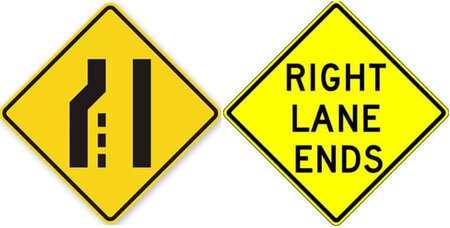 If you’ve driven upon a lane closure, you’ve probably seen it: A driver zips up in the open lane to cut ahead of traffic merging from two lanes to one.
That person is either an idiot for cutting in front of the line, or a genius for legally following the merge directions and moving into the one lane at the last moment while other drivers slow down traffic by merging too early.
Called the “zipper merge,” it’s a method that transportation engineers use to get traffic running smoothly through construction zones by directing drivers to use both lanes to merge into one, like the teeth of a zipper, all the way up to the merge point.
Pulling into the continuing lane earlier when there’s a natural break or other drivers wave you over causes longer backups, according to engineering studies by the Federal Highway Administration, Minnesota Department of Transportation, and the Texas A&M Transportation Institute. But people who merge from the ending lane at the last possible spot can be breaking roadway etiquette and anger motorists around them.
“Most of us don’t want to be that jerk that’s bypassing the queue,” says Gerald Ullman, a senior research engineer and program manager at Texas A&M Transportation Institute.
How It Helps Traffic
Also called a “late merge strategy” and “dynamic late merger,” the zipper merge started about 20 years ago to help move traffic better miles before the merge point. It has been shown to improve capacity 10 percent, Ullman says. The total length of a backup can be reduced by up to 50 percent, though 40 percent is common.
With proper signage telling drivers to merge at the point of the lane closure and to take turns merging, zipper merging is a good idea, says John Bowman, spokesman for the National Motorists Association, a driver advocacy organization based in Wisconsin.
“Like many traffic related phenomenon, the zipper merge is counter intuitive,” Bowman says. “Most people are conditioned to merge as soon as they see the ‘lane closed ahead’ sign. But this ultimately slows down traffic flow because you’re essentially eliminating a full lane of traffic capacity. That is what really backs up traffic.”
A single lane of traffic flowing through a work zone may seem like it would move faster without a slowdown for merging traffic, but drivers slow down when they see a long line of cars for many reasons, according to the Minnesota Department of Transportation. Those include uncertainty of drivers’ actions ahead, poor visibility beyond, and signs, barricades and other obstructions.
MNDot found that by creating two full lanes of traffic, everyone is going about the same speed and is less likely to have road rage or other forms of bad behavior such as driving in the center of the lanes to prevent passing.
When Zipper Merge Isn’t Needed
But the zipper merge isn’t usually needed at low traffic volumes, when drivers finding gaps on their own and merging sooner will help keep traffic moving, he says. The zipper merge is best used when there’s lots of traffic, and when signs tell motorists to use all of the lanes and to take turns merging at the merge point, Ullman says.
The zipper merge also works well when it’s not done that often, and shouldn’t be used when people naturally merge on their own well before the merge point, he says.
“Most people seem to get it,” Ullman says. “The signs are pretty easy to understand.”
It’s also not needed much in rural areas, where there isn’t as much traffic and merging early is a more common behavior for people, he says.
While the method goes against everything you learned about driving etiquette, it does reinforce something that every kindergartener learns: Take turns.
As NMA’s Bowman says, “Most drivers resist the zipper merge because they don’t want to be seen as the person skipping line. They’re also afraid that other drivers will get angry and try to shut them out at the merge point.”
“If all drivers understood the principal behind the zipper merge, they might be more forgiving of drivers who practice it, or they might try it themselves,” he says. “But it takes cooperation between drivers to make it work.”
Aaron Crowe is a journalist who covers the auto industry for CheapCarInsurance.net.
By Aaron Crowe
 Three major U.S. cities recently received $1.6 million from the federal government to improve pedestrian safety, but officials aren’t making pedestrians safer by making their cities more walkable. Instead, most of the money is being spent on ticketing dangerous drivers and monitoring crosswalks.
Of the three cities to receive the grants from the U.S. Department of Transportation’s National Highway Traffic Safety Administration — Louisville, Philadelphia and New York City — New York City had the most pedestrians killed in motor vehicle crashes in 2012 with 127 such deaths that represented 47 percent of the city’s total traffic fatalities.
New York was awarded $805,801 and plans to use it to deal with speeding drivers who don’t yield to pedestrians in crosswalks. The city will target young men — the demographic most likely to be in pedestrian crashes — through social media and enforcement activities in high-crash areas.
While those three cities aren’t considered largely friendly to pedestrians, there are lessons to be learned from walkable cities that could be implemented elsewhere. Ticketing more drivers who endanger pedestrians may be a good short-term solution, but a long-term solution might be to use other methods to make cities safer to walk in.
Where the most walkable cities are
Nationally, only 2.8 percent of workers walk to work. But some cities have policies and planning efforts to make walking an everyday means of commuting.
Data in the Census Bureau’s American Communities Survey found that Cambridge, Mass., was the most walkable city with a population of at least 100,000, with 24.5 percent of its residents walking to work. It created an ideal environment for walking with densely populated neighborhoods, commercial district city squares, and multiple public transit lines spanning the city.
Other top large cities for walking commuters were Columbia, S.C., with 20.7 percent of workers walking; Berkeley, Calif. with 18.1 percent; Ann Arbor, Mich., and Boston, Mass., with 15.5 percent each; and Provo, Utah with 12.2 percent.
What makes a city walkable?
In Bloomington, Ind., where 16.2 percent of commuters walked to work in 2012, having Indiana University downtown is a big factor in getting more people walking, says Vince Caristo, bicycle and pedestrian coordinator for the city of 80,000. Seventy percent of the university’s faculty, staff and students live within three miles of the campus, making it an easy walk, Caristo says.
“University towns tend to have high rates of walking and biking,” he says.
But having a university in the center of a city isn’t the only thing that encourages walking. Major destinations, such as employment centers, in a central part of town can encourage short trips, Caristo says
Having a great transit system is another encouragement to walk, since commuters are likely to be open to walking short distances after taking public transit.
In Bloomington, the city’s zoning codes require sidewalks on both sides of almost every street that’s built by a developer, Caristo says. Developers are also required to build bike paths.
The most important thing cities can do to ensure pedestrian safety is traffic calming, says Dan Biederman, president of Biederman Redevelopment Ventures, which designs urban parks and streetscape.
Few people are killed if they’re hit by a car going 20 mph or slower. Pedestrians have a 90 percent chance of survival if a car hits them at 20 mph, compared to a 10 percent survival rate if hit at 40 mph, Caristo says.
To slow traffic, Biederman recommends having angled, on-street parking; eliminating one-way streets and arterials; and eliminating extra lanes that only encourage fast driving.
A cheap and easy way to improve pedestrian safety is to paint thick, white lines on downtown crosswalks to make them more visible, he says.
Bloomington is also looking into increasing the lead time pedestrians have over cars to enter a crosswalk a few seconds before a light turns green for cars to enter.
Fun reasons to walk
For Anne Dimon, founder of Travel to Wellness magazine, a city’s walkability has more than well-marked crosswalks. A part-time resident of Toronto, Dimon says the city’s multiculturalism makes it a fun place to walk.
“The thing that makes Toronto so appealing for residents and visitors who love to walk is the various multicultural neighborhoods that Toronto is famed for,” she says. “Little Italy, Chinatown, Greek Town and numerous others.”
Coffee shops, restaurants, theaters and other businesses that are typical in busy downtown areas and attract pedestrians also improve a city’s walkability.
The good news about pedestrian fatalities in traffic crashes is that they’ve remained flat during the past decade. According to the NHTSA, there were 4,774 pedestrian deaths in 2003 in traffic crashes, and 4,743 in 2012. That’s still a lot, with 14 percent of all traffic fatalities to pedestrians.
New York City, at least, is taking notice. The city is looking to Sweden for road safety tips, such as reducing speed limits and installing median barriers to separate two-way traffic in high-speed areas.
What Sweden isn’t doing much of — though New York and other cities do — is focus on education and enforcement of pedestrian safety. Jaywalking tickets and cards with safety tips may sound like good ways to stop pedestrians from getting hit by cars, but a speed bump and lower speed limits can do a lot more, the Swedes found.
Aaron Crowe is a journalist who covers the auto industry for CheapCarInsurance.net.
By Aaron Crowe
Rising gas prices since February may be over by Memorial Day, as the national average price of gas hopefully peaked in early May. By the time many Americans hit the road for Memorial Day on May 26, they’ll see lower gas prices than they have in three months or so, according to the Christian Science Monitor, quoting an AAA spokesperson.AAA’s forecast says the national average price has already peaked for this spring, or is at least close to doing so. Prices often go up around this time of year as refineries prepare for the summer driving season with more expensive gas blends.
Even if prices don’t go up much more, it’s still a smart idea to use less gas and help lower air pollutants while saving money. Here are 11 ways to save at the pump:
1. Use a gas app. GasBuddy.com is the most common way to find low gas prices near you by using your Zip code or location from your GPS. Add it or another gas finding app, such as the one MSN offers. While it’s not worthwhile to drive around too much to save a few pennies per gallon, the apps will help you find the best prices in your neighborhood or wherever you are with your smartphone app.
2. Don’t buy premium. If your car’s manufacturer specifies regular gas, don’t buy premium because you think it will make or your car go faster or operate more efficiently, says Ian Aronovich, CEO of GovernmentAuctions.org.
“Most cars have built-in sensors that adjust the engine timing to the gas in the tank,” Aronovich says. “Even if the owner’s manual recommends high-octane gas, ask the dealership about switching to regular.”
“Octane grades don’t represent a ‘good, better, best’ choice.’ They simply measure the resistance of fuel to knocking or pinging, a condition in which gasoline burns uncontrollably in the engine’s combustion chambers,” he says.
3. Take care of your car. Properly maintaining your vehicle allows it to run more efficiently and get better gas mileage, recommends Stephanie Nelson, owner of CouponMom. Make sure the tires are properly inflated, change the air filter when needed, use the correct grade of motor oil, and do the routine maintenance recommended by your car’s manufacturer.
Ignoring a dirty air filter for too long, for example, can result in the need to replace a mass air flow sensor, according to the CarMD Vehicle Health Index. Not having that sensor working properly can cause a 10-20% drop in fuel economy, costing an extra $250 to $450 at the pump each year, according to CarMD.
4. Fill the tank. Trying to save money by spending $10 today and $20 the next day on gas by hoping for better prices the next day is wasteful because you have to drive to the gas station again, Nelson says.
5. Combine trips, carpool. Driving less is the simplest way to save money on gas. Nelson recommends carpooling and combining errands. Organize a school carpool that can extend to after-school activities, or carpool to work and use carpool lanes to save time while using half the gas. When running errands, combine them in one trip with an efficient route.
6. Coast. Lynne Radcliffe of Milwaukee, Wis., says that even in her fuel-efficient Hyundai Accent, which averages 34 miles per gallon, she takes her foot off the gas pedal and coasts in neutral for a bit on freeway exits. She also puts her car in neutral or puts in the clutch after getting to the top of a hill so she can coast down.
“When I’m approaching my exit on the freeway, I put the car in neutral and coast to the end of the ramp,” Radcliffe says. On some of her more common exits she knows when to start coasting so if the light is red she can come to a stop at the end of the ramp without using the brakes.
7. Look ahead. Paying attention to traffic is a must while driving, and it can save you gas by looking a mile or more ahead on the freeway so you can slow down and let a congested spot work itself out before you get there and have to stop completely, Radcliffe recommends. “Even in city traffic, looking ahead allows you go slow and often avoid coming to a stop in a backup, which helps it go away,” she says.
8. Drive a steady speed. Accelerating quickly and then having to brake uses more gas than gently accelerating and driving a steady speed. Drive a moderate speed and within the speed limit.
9. Lose the weight.Remove extra things from your car’s trunk that you carry around without realizing it. Do you really need to carry snow chains and golf clubs at the same time on every trip? Every 250 extra pounds means you’re losing an extra mile per gallon of gas.
10. Heed the check engine light. Ignoring the check engine light is a bad idea for many reasons, including the top reason it comes on — to warn of a faulty oxygen sensor that can hurt fuel economy by as much as 40%. The sensor is the top reason why a check engine light comes on, according to CarMD.
The sensor costs less than $250 to fix, but ignoring to repair it can cost more than $900 extra per year in fuel costs by not allowing the car to run as efficiently as it should. The sensor measures the amount of unburned oxygen in the exhaust and tells a car’s computer when there is either too much or not enough fuel compared with oxygen for ideal operation.
11. Collect supermarket points. If your local supermarket has a gas points program that’s free to use, sign up for it and save money when buying gas, recommends, Mike Rabkin, president of From Car to Finish, which helps negotiate new vehicle purchases.
Usually every dollar spent at the supermarket equals a gas point, and every 100 points ($100 spent) gives a discount of 10 cents at a gas station it partners with. Buying multiples of some products will get you hundreds of points, says Rabkin, who once saved $1.20 per gallon with 1,200 gas points to use.
Aaron Crowe is a journalist in the Bay Area who covers the auto industry for CheapCarInsurance.net.
By Aaron Crowe
 The remains of a wheel theft can look like a flashback to the 1980s: A car left up on cinder blocks, giving the impression that the area is crime-ridden.
From new-car dealers to whole neighborhoods, wheel thefts are on the rise again. The entire wheel is often stolen, and the tire and rim are sold individually. Wheels can be removed in a few minutes after jacking up the car and removing the lug nuts with a power tool.
Wheels are expensive to replace, whether you’re buying them from a car dealer, online or in a shady deal from a guy on the street. New wheels for a Camaro, for example, cost about $1,900 on eBay.
The thefts happen in well-lit areas not often known for crime, and can leave drivers unsure how to keep their wheels from being stolen and whether their insurance normally covers the loss.
Vehicles damaged in thefts
When wheels are stolen, the thieves need to jack up the car and put it on blocks so they can get the wheels off. If the vehicles fall off the blocks, more damage can happen. A Chevrolet dealer in Texas had 88 wheels stolen in February, and some vehicles had frame damage when they fell off wooden blocks that they were left on.
Some cars are targeted by thieves for their wheels. The Honda Fit Sport has 15-inch alloy wheels that fit low-riding custom street cars and some popular car models. They can sell for hundreds of dollars in illegal markets.
What insurance covers
Car owners could spend a lot more replacing them, depending on their insurance coverage and if the car is damaged during the theft. Wheel thefts are covered by comprehensive insurance, the part of auto insurance that covers thefts, fire, vandalism and other sorts of damage to a car that aren’t part of an auto accident. Damage sustained during a theft, such as to an exhaust system, would also be covered. A policyholder will need to pay a deductible before the coverage kicks in.
Comprehensive coverage doesn’t cover anything other than the factory wheels that came with the car. If you bought expensive chrome rims, they’ll only be covered up to the cost of the wheels that came with the car, though extra coverage can be added for such parts.
There can also be the expense of having the car towed for repairs, and the headache of not having a car while the repairs are being made. Rental car reimbursement insurance will help with some of that extra cost.
How to avoid wheel thefts
 There are some things drivers can do to deter thieves. Wheel locks are a good start, says Chuck Hawks, who owns a driving school. While not impassible, they’re a great deterrent with lugs that aren’t bypassed easily, Hawks says. Wheel locks can cost $30 to $90 for a set of four.
Also park with your wheels turned so that they’re a bit more complicated for thieves to get to.
If you find your car’s wheels stolen, stay with the car until a tow truck or roadside assistance arrives to help, Hawks suggests. A car on blocks could invite more thieves to steal stuff from it. Only stay inside the car if it’s safely off the road, and if you have to leave it close to a traffic lane, get out and get a safe distance from the car while you wait, he says.
After a wheel theft, report the crime to police so you have an official report to help file an insurance claim.
Before buying a car, check the theft database of the National Highway Safety Administration for the theft rate of cars you’re considering buying. The data may be a few years old, so also search online for the cars you’re looking at to see if they’ve been stolen often.
Aaron Crowe is a journalist who covers the auto industry for CheapCarInsurance.net.
By Aaron Crowe

William Shakespeare
For some things, such as a rose, what we call it really doesn’t matter. As William Shakespeare put it, “That which we call a rose by any other name would smell as sweet.”
For automakers, unfortunately, that doesn’t hold true when naming a new car. A name can be a good first impression, or a bad one, that can do a lot more to define the car than any of its other features.
Cars were the first consumer product to pick up on the idea that they’re an extension of the buyer and showcase the owner’s ego, says Steve Cecil, a verbal branding professional in California who has helped name cars and other products. A memorable name was the best way to build on that projection of the buyer’s personality.
Remember the Ford Pinto? One Spanish translation of “pinto” is “horse,” which is probably what Ford wanted. But in Brazilian, pinto is slang for “tiny male genitals.”
Ford did get the naming right with the Mustang, giving drivers the image of a wild, free and powerful horse, Cecil says. “When you hear ‘Mustang,’ you think an adult, male horse,” he says.
It was the perfect name for the car, and came at a time — 1964 — when naming products could be as simple as picking a common item or mountaintop. The GMC Sierra is named after a unique mountain range, but finding a distinctive, memorable brand isn’t as easy as it used to be.
“It’s hard to brand a thing around the real world these days,” says Cecil, who came up with the name “Crosstrek” for Subaru after the company told him it wanted a name that audibly mimicked its Subaru Outback. It wanted a unique name that wasn’t so strange that people didn’t get it, he says.
“Naming a car is the ultimate prize for a namer,” Cecil says. “There’s very few things as satisfying as seeing a vehicle going down the road with a name in chrome that I put on it.”
Car namers don’t want to confuse consumers by giving a car the same or similar name to an existing product, he says. The Fusion is a popular brand for Ford, but it’s also the name of a popular razor blade.
A car that does a name play well is the Smart car by Mercedes. The line of mini electric cars and mini green cars not only wants consumers to think of its cars as “smart,” but as fashionable. The Smart car was designed, Cecil says, by the company Swatch — the maker of designer watches — to be a fashion accessory, and produced by Mercedes. “Swatch” plus “Mercedes” plus “Art” equates to “Smart.”
At one time, the head of Chevrolet asked the staff not to refer to its cars by the shorter name of “Chevy,” Cecil says. Getting rid of the nickname didn’t catch on, which was probably a good thing, he says. Chevy is a household name that has stuck around.
“When your name turns up in the lyrics of songs, you don’t change that,” Cecil says.
In the legends of naming cars, don’t fall for the urban legend that General Motors, which makes Chevrolets, failed with the Chevy Nova in Latin America because “no va” translates to “it doesn’t go” in Spanish. That translation is partly accurate, but GM sold plenty of Novas in Latin America.
The Mitsubishi Pajero, however, does translate to an offensive slang word, according to Anthony Bianco, a travel writer. Pajero means “wanker” in Spanish. In most Spanish speaking countries, the car has been rebranded as the Montiero, which Bianco says roughly translates to “Mountain Warrior.” That sounds a lot better than “wanker.”
Aaron Crowe is a journalist who covers the auto industry for CheapCarInsurance.net.
By Aaron Crowe
 Thanks to safer vehicles being built, crash rates are dropping for drivers of all ages since 1997, but they’re especially falling for drivers 70 and older, according to a report.
That may sound counterintuitive since problems normally associated with elderly drivers — poor vision, slower reaction times and mobility problems — can lead to more difficulty driving and thus more accidents.
Hitting the gas pedal too hard when you think the car is in drive, but is in reverse, can be deadly, for example. A 79-year-old Florida woman backed out of a handicapped space in a church parking lot recently and killed three people when she lost control of her SUV by thinking her car was in drive when it was in reverse.
Overall, though, fatal crashes are falling for drivers of all ages. During 1997-2012, fatal crash rates per licensed driver fell 42% for drivers 70 and older, and fell 30% for middle-age ones from 35 to 54 years old, according to the study by the Insurance Institute for Highway Safety.
The older the driver, the more fatal crash rates fell. Among older drivers, fatal crash involvement rates per licensed driver fell 36% for drivers ages 70-74, 46% for drivers 75-79, and 49% for drivers 80 and older. There were similar declines in injury crashes for older drivers.
The study reported that 4,079 people ages 70 and older died in crashes in 2012, which is 31% fewer than in 1997 when older driver fatal crash involvements peaked in the United States.
Why the drop?
Safer vehicles and healthier seniors who are better able to survive crashes better are two important reasons for the fatality and injury declines, says Anne McCartt, senior vice president for research at IIHS and a co-author of the study.
Side airbags benefit older drivers more, and seatbelts have improved to hold people in place better and not injure them, for example.
Older drivers drove more miles than middle-age drivers from 1995 to 2008, the IIHS study found. This is especially true for drivers 75 and older, who lifted their average annual mileage by more than 50% during those years.
Increased driving may indicate that older drivers are remaining physically and mentally comfortable with driving tasks, according to the study.
More older drivers
Expect to see a lot more older drivers on the road in the next 35 years. The U.S. population is getting grayer, with the 80 and older population expected to triple to 31 million by 2050, according to U.S. Census data.
Also by 2050, the population of adults 70 and older is expected to reach 64 million, comprising 16% of the U.S. population, compared with 29 million, or 9% of the population, in 2012.
More older drivers are also holding on to their driver’s licenses longer, with the number of licensed drivers 70 and older rising 30% during 1997-2012. The percentage of older people who were licensed rose from 73% to 79%, with licensure rates increasing more with age.
Common impairments for older drivers
More older drivers are holding onto their driver’s licenses longer, and better at deciding when they shouldn’t drive, McCartt says.
“Older drivers do tend to self-regulate, if they’re aware they have impairments,” she says, such as vision problems that can make driving at night more difficult, or avoiding unfamiliar roads or driving during high-traffic times.
Memory loss and physical mobility problems can also make driving difficult for older drivers. Mobility issues could require an older driver to take more time to look around, and slower reaction times can require earlier braking, says Steve Dziadik, owner of Driving School of Florida.
“Your reaction time changes over your lifetime,” Dziadik says.
Dziadik says seniors come to his school because they’ve failed their driving test, even after 50 years or so of driving without getting a ticket. Often their first problem is not admitting that they have a problem driving, he says.
“These people have been doing this for so long that they really don’t know what they’re doing wrong,” he says.
A common error, Dziadik says, is not stopping completely behind the white line at a stop sign, which can lead to failing a driving test. Too many drivers don’t understand that the white line is meant to protect the crosswalk, and a rolling stop isn’t enough.
“Nobody out there has a death wish,” Dziadik says. “But unfortunately we’ve let our society dumb down in terms of driving, and everyone thinks that because they have a five-star car they’re safe while driving.”
One advantage older drivers have over young ones is they have a higher skill base from driving for so long, but it can hurt them too if they’ve picked up bad habits. Avoiding parallel parking because it’s difficult to do, for example, can lead to a DMV test failure in Florida, Dziadik says.
Florida drivers have five chances at a driving test, and then have to wait a year before taking it again, he says. That can be a long time for an elderly person who doesn’t have another way to get around town.
Aaron Crowe is a writer who covers the auto industry for CheapCarInsurance.net.
By Aaron Crowe
 Buying a car should never be considered an investment, partly because putting miles on it will only drop its value.
But with proper maintenance, a good mechanic and less stop-and-go driving, owners can keep their cars running well for years and get the most mileage for their money while delaying buying a new car.
A recent study by iSeeCars.com found the top 12 cars most likely to reach 200,000 miles, based on data it had of vehicles for sale with that many miles or more on the odometer. Pickup trucks were found to be driven longer, at 90,000 miles on average per listing, compared to 75,000 average miles for a car.
The top 12 vehicles reaching 200,000 miles or more are:
- Ford F-250 Super Duty
- Chevrolet Silverado 2500HD
- Chevrolet Suburban
- Toyota 4Runner
- Ford Expedition
- GMC Sierra 2500HD
- Chevrolet Tahoe
- GMC Yukon XL
- Toyota Sequoia
- GMC Sierra
- GMC Yukon
- Honda Accord
How to get to 200,000
Getting to 200,000 miles in today’s vehicles is equivalent to getting 100,000 miles in the 1990s, mainly because cars are built so much better today, says Daniel Smyth, sales account specialist at Smyth Automotive, an auto parts store in Cincinnati, Ohio.
Preventative maintenance is the best way to increase mileage, Smyth says. This includes replacing belts, timing belts and transmission clutches at recommended mileage levels, and checking fluid levels and their colors to ensure that dirt or water doesn’t contaminate them, he says.
“I think most of the time your average person isn’t checking fluid levels or checking oil,” Smyth says.
Fluids to check include the oil, power steering, transmission and brake, Smyth says, either by a mechanic or following the recommended mileage checks by the manufacturer.
Top cars not on the list
Since the iSeeCars list is mostly trucks, there are plenty of cars that didn’t make the list but still get plenty of miles driven on them. We found some people who have driven more than 200,000 miles in their cars, and asked them how they got there. Here are some of those cars:
Toyota Camry: John Wetmore, a TV producer, says his 1994 Camry had 366,000 miles before he got rid of it. Wetmore did basic maintenance according to the manufacturer’s recommendations, such as oil changes every 6,000 miles. He says he also drove it gently with no jackrabbit starts, and drove the speed limit.
Lincoln Town Car: Sharon Steele, an account manager at BidAbove.com, says her husband worked at a limousine service and saw two cars reach 300,000 and 400,000 miles. Synthetic oil was used in oil changes every 3,000 miles, Steel says.
Lexus ES 300: After driving a 1997 Nissan Maxima to 186,000 miles, David Mizer, founder of LookatUsedCars.com, says his 2003 Lexus is at 208,000 miles, partly because he follows routine maintenance guidelines and asks his mechanic “how everything looks.” Mizer plans on giving the car to his son in May.
Toyota MR2: Gary Kozel of Sonoma Valley in California says he bought the car new in 1986 and now has 280,000 miles, thanks regular oil changes and routine maintenance. “A compression test was done recently to test the status of the engine, and the mechanic said it operated at nearly the level of a new engine,” Kozel says.
Nissan XTerra: With 236,000 miles on it, Kelly Cooper says that she and her husband drive the XTerra between homes in the Bay Area and near Las Vegas, not doing much beyond regular oil changes and scheduled maintenance.
Nissan Maxima: The 1997 Maxima that Ramon Khan, who works in business development at the National Air Warehouse, drives has 245,000 miles. Khan, who lives in Spring, Texas, says he keeps it running partly so he can save money by not having car payments every month. Regular maintenance and repair bills are far less than buying or leasing a new car, he says.
“I am a user who uses products until the end of its life cycle,” Khan says. “While you could make the argument that a newer car might be better for the environment, the demand of buying a new car creates a large environmental impact itself. I plan to use my car until it no longer performs well, has reached the end of its life cycle or I decide to upgrade to something more fuel efficient.”
Nissan 350Z: The 2003 Nissan that Julie Acevedo owns has 220,000 miles, and she recently replaced the engine that she expects to last for five years or more. The $2,600 engine is worth it, Acevedo says, because it’s cheaper than a car payment for years.
Infiniti I35: Stan Markuze founder of PartMyRide.com says that up until a few months ago, his 2002 Infiniti had must over 200,000 miles on it, which he had serviced by the dealer for much of its early life, along with regular oil changes at a local mechanic. The only major component he had to replace was the radiator. In December 2013 a truck ran a stop sign and his car was damaged beyond repair.
Honda CRV: The 2005 CRV that J. Kim Wright owns has almost 200,000 miles and has never needed a major repair, says Wright, of Taos, N.M.
Honda Civic: Alisa LeSueur owns a 1990 Civic with 352,000 miles that she gets oil changes for every 4,000 to 6,000 miles. LeSueur, a marketing director at DocCost.com, says she doesn’t like car payments and is aiming for 500,000 miles.
Those are some of the best cars we found to get to 200,000 miles. How well is your car doing and how did you get it there? Respond in the comments section below.
Aaron Crowe is a journalist who covers the auto industry for CheapCarInsurance.net.
By Aaron Crowe

Get a new or used car with your tax refund
The average federal tax refund last year was $2,755, according to the IRS, which is a pretty good chunk for a down payment on a used car.
Buying a good used car can make more sense than buying a new car if you want to save money. More people are borrowing record amounts to buy cars, with the average amount borrowed by new car buyers climbing above $27,000 for the first time ever. The average used car loan is $17,974, according to Experian Automotive.
As taxpayers decide what to do with their rebates, the good news is that some used car prices are expected to fall this year by 13.5%, according to Black Book, which provides vehicle pricing information. However, “tax buying season” in March and April can pause that drop as more people use their tax rebates to buy used cars.
Knowing which used cars are best, and where to buy them, can save you money over time by owning a reliable car that has a history of running well.
For our purposes, we defined the best used cars as being five years old or less, having up to 100,000 miles, and a pricetag of up to $10,000.
Shop in Michigan
Prices for some used cars are lower in some states, giving a potential buyer extra savings if they live in a nearby state.
The automotive research site called “The Car Connection” in February came out with data on used cars that showed, among other things, states with the highest and lowest average mileage by drivers. Buying a used car in Alaska — with the lowest average mileage at 46,950 for a used car — could be a better deal than buying a used car with high mileage, such as South Dakota at the top of the list with 79,995 miles.
It found the average list price of a used car is $19,741. The best bargains are in Michigan, where the average price is the lowest at $16,489.
The youngest used cars come from West Virginia and Arkansas, at 3.9 years old. The oldest are in the District of Columbia, where the average used car is 8 years old.
Used Ford F-150 most popular
The Car Connection research also found the most popular brands of used cars. The Ford F-150 is the best-selling used vehicle in 22 states, it found, which shouldn’t come as a surprise because it has also been the best-selling vehicle in America for the past 33 years.
The Chevy Silverado is the best seller in 10 other states, followed by the Honda Accord as the most used car sold in seven states.
Those are great used vehicles, though you may have difficulty finding one to buy because they’re so popular.
Buy rentals
Despite the conventional wisdom that rental cars are driven into the ground and shouldn’t be bought as used cars, buyers can find some of the best deals from rental car sellers. Rental cars are serviced regularly and have records to prove it.
Brands that are sold to car rental companies can be bought at a discount because there’s an abundance of them that are sold after they reach 20,000 miles, says Joe Parker, a car broker who helps people negotiate car prices.
A lot of Ford Mustangs, for example, are coming on the used car market from rental companies, Parker says. A V-6 Mustang that’s five years old should cost about $5,000, he says.
Along with shopping at rental companies, Parker recommends shopping at used car dealerships, which may have a lot of base model cars from rental companies. And remember, that’s what you’re likely to get when buying a rental car — a base model without the extra bells and whistles you may desire.
Other quality used cars
People are keeping their cars longer, so finding a good used car with low mileage may be more difficult than it was a few years ago, says Larry Braccio, manager at Airpark Motor Cars in Scottsdale, Ariz. A rental car that used to be sold with 20,000 to 25,000 miles on it may now have 40,000 to 45,000 miles, Braccio says.
Here are some good used cars worth considering for $10,000 or less, provided they have less than 100,000 miles and are no more than five years old:
Entry-levels cars: If similar patterns follow last year’s trends, Black Book expects prices for entry-level cars such as the Chevrolet Aveo, Kia Rio, Nissan Versa and Toyota Yaris to drop.
Compact cars: While prices increased 1% last year between March 1 and May 1 for these cars, an increased supply this year could prevent such an increase this tax season, according to Black Book. Popular compact cars include the Chevrolet Cobalt, Honda Civic, Toyota Corolla, Chevrolet Cruze and Ford Focus.
Ford, GM and other domestics: Braccio recommends buying domestic cars because the quality has improved and you’ll get more for your money than you would with an import. Examples include the Ford Fusion and 2009 Chevrolet Malibu. He doesn’t recommend buying a Dodge.
Subaru: These cars are generally taken care of better by their owners, and a 2007 Subaru Impreza should cost about $8,500, Braccio says.
“Certain types of people buy Subarus,” he says. They’re “more conscientious and want their cars to last,” he says.
Discontinued cars: Pontiacs and Saturns are no longer being built — which carries its own stigma — but they’re fine used cars that General Motors is still building parts for because there are so many of them still on the road, Parker says.
Hyundai: While the company stopped allowing its excellent 100,000-mile, 10-year warranty to be passed on to the second owner and beyond, it’s still a good used car worth having, Parker says. “They’re built to be throwaway cars,” he says.
Other imports: The Saturn Ion, Nissan Altima and Honda Civic are some of the best imports for used cars, Parker says, with some being found for as low as $5,000. The Nissan Altima, however, will run closer to $15,000 for a 3-year-old one, he says.
If you can hold on to your tax rebate and wait until after tax buying season to buy a used car, you might find a better deal in May. That’s when there’s less competition from buyers who were eager to spend their tax refund as soon as they could.
Aaron Crowe is a journalist who covers the auto industry for CheapCarInsurance.net.
By Aaron Crowe
 Renting a snowmobile or other recreational toy while on vacation can be a lot of fun, until you crash it.
Whether it’s a jet ski, snowmobile, ATV or other recreational vehicle, you’ll want to have insurance for it. That can come either through extra insurance you buy from the rental company, or can be an extension of an insurance policy you have on your snowmobile or other toy you’ve left at home.
The rental contract is often a lengthy contract that will most likely ask you to waive any liability claims if you’re injured, and may explain your responsibilities if you damage the equipment or injure someone else. You may be liable for more than the cost of the toy, and should have your insurance agent review the contract to make sure you’re covered or if additional insurance is needed.
If the rental company sells insurance, check that it covers more than minimal coverage, such as only for damage caused to the vehicle and not to you.
If you rent recreational vehicles often, you may want to buy an umbrella policy to cover a wide range of such toys.
Snowmobile insurance
If you’ve left your snowmobile, motorhome, boat, jet ski, ATV, RV or other recreational toy at home, you still may be covered when renting a separate toy while on vacation. However, this coverage won’t come from your home insurance policy, which usually doesn’t provide supplemental coverage, says insurance expert Cristofer Pereyra.
“The extra insurance that the rental companies sell is very much necessary,” Pereyra says. “When renting a regular personal vehicle, however, coverage would extend from your regular auto insurance policy, under most policies.”
Check with your insurance agent to see if your auto insurance carries over to a rental. If it doesn’t, then what you’ll need is a separate policy for the snowmobile. Part of the coverage will carry over to rentals.
Most likely, the liability coverage on a snowmobile will carry over when renting another snowmobile. This can include bodily injury liability, which protects you if you cause an accident and someone’s hurt, typically covering the other person’s medical expenses.
Property damage liability may also be transferable, protecting you if you cause an accident that damages someone’s property, home, or vehicle.
What’s not covered
Collision and comprehensive coverage will not usually carry over. Collision coverage is for hitting another object, such as a tree, and comprehensive protects from damages to your snowmobile due to flooding, theft, vandalism or other reason not involving a crash with another vehicle.
If the machine is wrecked, you’re not covered. If you injure someone, you probably are covered.
A good rule to remember is “insurance follows the snowmobile.” Some states allow insurance to follow the operator, but the vast majority of states require coverages to follow the snowmobile.
If you’re riding a snowmobile that’s uninsured, or if you’re riding a snowmobile without the owner’s permission, then you’re most likely riding without any insurance protection.
Supplemental insurance
For only $13 per month on average, snowmobile insurance is a type of supplemental insurance that can protect a snowmobile. It protects you, your passenger, your snowmobile and someone else’s property. You’re even covered if your sled is in storage, needs a tow or need custom parts replaced.
Coverage can include bodily injury liability (if you cause an accident and someone’s hurt), property damage liability (you cause an accident and damage someone’s property), collision coverage (repairing your snowmobile after a collision), and comprehensive coverage (damage to your snowmobile from anything other than a crash with another vehicle, such as flooding, theft and vandalism).
Supplemental insurance can also be bought for a low monthly price to cover other off-road vehicles such as All-Terrain vehicles, or ATVs, golf carts, dune buggies, go carts and trail bikes that aren’t typically covered by homeowners and auto insurance policies.
To avoid accidents, it’s smart to know how to properly use a snowmobile and to check that everything is working correctly. Carry an emergency kit, know the local laws for riding, and only ride in areas where it’s permitted.
Also remember to wear a helmet, gloves and a windproof jacket to keep you warm and safe, and to take a break every few hours so you don’t get overly tired and have slow reaction times. It’s also smart to tell others your plan before leaving, don’t drink alcohol while operating a snowmobile, and drive slow at night so that you don’t over drive your headlights.
To make sure you have proper insurance, review your policy for your recreational toys at home and check with your insurance company before hitting the trail with someone else’s snowmobile — especially if you’re renting it.
Aaron Crowe is a journalist who covers the auto industry for CheapCarInsurance.net.
By Aaron Crowe
 As the father of teenage daughters and an attorney who specializes in texting and driving accidents, Scott C. Gottlieb knows firsthand how much teen girls like to share everything they do and think with their friends.
“This can result in a constant barrage of sending and receiving messages, often from many teen girls simultaneously,” says Gottlieb, an injury law attorney in Binghamton, N.Y. “Obviously, the short moment it takes to send or read a text or post can be the moment that eyes are taken off the road, within which an accident can occur.”
His observation may be anecdotal, but it isn’t off base. Teen girls, it turns out, are twice as likely as boys to use a cellphone or other electronic device while driving, according to a report last year by the AAA Foundation for Traffic Safety. Researchers installed video cameras in the cars of teens, recording their actions while driving.
Phones a top distraction
Electronic devices were the top distraction, used in 7% of the video clips. Other distractions, such as grooming, loud conversations, adjusting controls, turning around, reaching for an object, and eating and drinking, added up to 15% usage.
Girls were twice as likely as boys to use an electronic device while driving, and they were also more likely than boys to adjust controls. They’re 50% more likely than boys to reach for objects in the car, and 25% more likely to eat or drink while driving.
Why do girls text more than boys while driving?
“They look important when they’re in their car and texting and driving. They look cool,” says Nancy Irwin, a psychologist and therapist in Los Angeles who has treated girls addicted to texting and driving.
Girls are more relationship-oriented than boys, so communication is more important to them than the task of driving, Irwin says. Using a phone while driving also shows that they’re connected to other people, even if they’re driving alone, she says.
“Most girls would rather be hanged to death than be seen alone,” Irwin says. “To have another link to another person just makes them look good.”
Teenagers, of course, aren’t the only drivers texting. A survey last year by CheapCarInsurance.net found that 24% of drivers feel they’ve come close to causing an accident while using their cellphone while driving, with women a little more likely than men to admit to coming close to causing an accident while using a cellphone in a car. A total of 28% admitted to texting, emailing or browsing the Internet while driving.
More texting while driving alone
Girls probably wouldn’t use their phones while driving if other people are in the car, Irwin says. The AAA study, however, found that in general, electronic device use and other distracted driving behaviors were most common when teens were carrying no passengers.
When there were passengers, loud conversation and horseplay were more than twice as likely when drivers took multiple teenage peers with them. Such distractions were less likely when a sibling passenger or parent or adult was in the car.
Teenage boys had their own driving distraction problems, according to the report. Boys were twice as likely as girls to turn around while driving, and more likely to talk to people outside the car.
Other distractions long before cellphones
Besides the fact that girls text and drive more than boys, the bigger issue is that even if teens don’t have a cellphone in the car with them while driving, they’ll continue taking high-risk actions and will find other distractions, says Carroll Lachnit, features editor at Edmonds.com, which has written about technology helping to prevent texting while driving.
“I’m not sure it matters,” Lachnit says of the research that girls text and drive more than boys.
“Kids were dying in car accidents long before cellphones,” she says.
Technology can help prevent using a cellphone while driving, but teens must learn to avoid other distractions such as eating, checking themselves in the mirror or searching for something in their bags, Lachnit says.
Other options
As CheapCarInsurance has reported before, the teenage brain isn’t fully formed enough for the complex decisions that come with driving. One solution may be to not allow people to get a driver’s license until they’re 21, says Irwin, the psychologist.
The frontal cortex is the decision-making center of the brain that is the last area to form, usually at about age 21-22 for girls and 25 for boys, she says. “This is why teens make poor decisions,” Irwin says. “They can’t help it; they are not yet equipped to do so yet.”
Stashing their cellphone in a purse, back seat or car trunk so it’s out of reach can at least help get one more distraction out of their way. There are also plenty of apps that can block usage while driving, even locking a phone when the car goes faster than 10 mp.
“The best advice a parent can give is to insist that their teen turn off and store any mobile device in an area of the vehicle that cannot be accessed while driving,” Gottlieb says.
One way Irwin has gotten through to teens to stop them from texting and driving is by reminding them what’s important in their lives. If they text while driving and crash their car, they can’t go to the high school prom if they’re dead. Death can be a strong motivator.
If that doesn’t work, Irwin tries to get teens to realize they can be seen as being cooler if they’re too busy to answer a text message immediately. Delaying a response until you’re out of your car can show someone you’re wise beyond your years.
Aaron Crowe is a journalist who covers the auto industry for CheapCarInsurance.net.
By Aaron Crowe
The observation of Moore’s law that computing power doubles about every two years and becomes cheaper over time has been a boon to buyers of new cars, among many other products.
No longer do you have to buy a luxury car to get the on-board navigation systems that can help with voice turn-by-turn directions, Internet searches, music and an iPod connection. While the systems are standard on high-end cars, plenty of standard cars have inexpensive navigation systems that are offered as add-ons, or are even part of the standard package.
Here are some of the best and cheapest cars with navigation systems and other technology, along with a few tech gadgets you may want to add:
Toyota Corolla: For $1,170 more, a navigation system can be added to the mid-level Corolla LE. The optional package includes HD radio, traffic and weather apps, voice-recognition and Toyota’s Entune infotainment system.
Ford Fiesta: This subcompact car, which has a starting price of about $17,000, has a touch-screen interface that Ford calls MyFord Touch. It lets the driver control stereo, hands-free phone, navigation, and climate control. The system comes as standard equipment on the mid-range Fiesta SEL.
Chevrolet Cruze: Another compact car, the Cruze, offers a navigation system for $995 on some models. The MyLink infotainment system has a 7-inch touch screen, navigation and Pandora Internet radio connectivity.
Honda Fit: The upscale Sport level of this subcompact hatchback comes equipped with a navigation system that has voice recognition, Bluetooth, and other luxury extras. The car starts at about $20,000.
Hyundai Elantra: The navigation system is part of a $2,100 premium package option that’s available for the upscale Elantra Limited. The technology package includes a rearview camera, Bluetooth streaming audio, and a touchscreen navigation system with voice activation, real-time traffic, weather and other information. This luxury car already comes with a sunroof, leather upholstery, a power driver seat and heated front and rear seats, and starts at about $17,000.
Smart Fortwo: Starting at about $12,000, this small car meant for two people (duh), is just under 9 feet long and is meant to be parked in small spaces, even perpendicular to the curb. While the car hasn’t received great reviews, for an extra $1,290 on its upscale Passion model, a technology package is available that includes a navigation system and seven-speaker surround-sound audio system. The Passion has a base price of about $15,000 and has an iPod connection and USB port for music.
UltraGauge: For drivers who want to instantly see how their car is performing — gas mileage, speed, fuel level and engine temperature, among other measurements — this $61 device does the job well. It plugs into a car’s OBDII port and displays information in real time. Adam Rodnitzky, a San Francisco resident who owns a Land Rover, says the gauge is important for him because Land Rover engine temperatures need to be monitored. The gauge can also retrieve check engine light codes, and then turn off the check engine light.
Fleetio app: This free app and online software allows users of five vehicles or less to track fuel usage, set service and renewal reminders, and store important documents in the cloud. While meant for business owners with a small fleet of cars, Fleetio could also be used by a family with a few cars as a reminder for when to rotate the tires, change the oil and other tasks, along with keeping financial records straight. It also shows the cost per mile to operate the car, helping with budgeting or charging your teen to use the family car.
BAND car charger: Admittedly, this isn’t much in the way of added technology for your car, but it’s a fashionable way to add some high tech. Made by a company called TYLT, the BAND (yes, all capital letters, which the company is addicted to) is $40. It’s a smooth silicone unibody that looks like a bendable ribbon to prevent tangling. It has a secondary universal USB port and 2.1 amps to allow the driver and passengers to rapidly charge their devices at the same time. It comes in bright red, blue, green and black.
Aaron Crowe is a journalist who covers the auto industry for CheapCarInsurance.net.
By Aaron Crowe
For the working professionals who are first-time drunken drivers who enter Nicole Denmon’s law office in Tampa, Fla., for help, the legal world they’re about to enter can be quite confusing.
Along with the court system and thousands of dollars a DUI will cost them, Denmon explains some of the other ways they may be affected if they’re convicted. They include possible jail time, increased difficulty finding a job, and a permanent mark on their driving record.
“They are shocked to learn that even on a first-time DUI, you can end up in a county jail, depending on your circumstances,” Denmon says.
There are other implications for a DUI conviction, including not being able to vote, losing a job if you drive or fly for a living, higher insurance rates, and everyone learning about it online. Those are all after the $10,000 that a group of attorneys in California estimates a DUI costs in attorney and court fees, including bail and fines.
The penalties vary by state, and get more severe if the DUI is a felony. Getting a third DUI is a felony in most states, and causing serious injury or killing someone while driving drunk can be a felony for a first offense.
Beyond the expensive court fines and fees that come with DUI convictions, here are some of the other ways a DUI conviction can affect a driver:
Paying to stay out of jail
If you’re arrested and have to spend at least a night in jail, you can pay bail of $150 to $2,500, depending on if a bonding company is used. The state of Georgia, for example, has a mandatory 24-hour jail term for people arrested for DUI, so you may not be able to get out of jail for a day anyway.
You could also face other charges if you want to remain free. California courts, for example, may require electronic monitoring that costs $12 to $18 a day in lieu of jail, says Christopher McCann, a criminal defense attorney in California.
Drivers may also be required to have an ignition interlock device on their cars to prevent them from driving after drinking alcohol. The devices cost about $75 a month and installation is about $100. A judge may also require an offender to be in an alcohol treatment program if they want to avoid jail time, with such programs ranging from $500 for first-time offenders to $1,200 for multiple offenders McCann says.
Everyone knows you’re a convict
Thanks to social media, your arrest can be spread across the Internet. People who search for your name can find your arrest photo online, and quickly learn more about your arrest, Denmon says. You may not even be convicted in court, but your arrest photo will be online, putting off potential employers who Google your name.
Difficulty finding or keeping a job
Any kind of DUI conviction, whether a felony or not, can exclude you from working in law enforcement, Denmon says. Some police departments may allow a misdemeanor DUI conviction from many years ago, but almost all won’t allow a felony conviction.
Current police officers caught driving drunk may be able to stay on the police force with a suspension. “Once you’re in the club, it’s easier to stay there,” Denmon says.
Jobs requiring security clearances, a lot of driving or the responsibility of caring for people may be difficult to keep or find after a DUI conviction. These include nurses, pilots, delivery drivers, traveling salespeople or anyone who spends all day in a company car or plane.
In California, commercial drivers can lose their commercial license for a year after a DUI, and they can lose it for life with a second DUI in 10 years, McCann says.
Voting and other rights
If a DUI is classified as a felony, you’re a convicted felon and in the same legal boat as a burglar or attempted killer who has been convicted of a felony.
Felons lose rights that vary by state, but can include losing the right to vote, serve on a jury, hold public office, receive federal aid for education, and limited travel to foreign countries.
Higher insurance
A DUI conviction will likely lead to higher auto insurance rates for the next three to five years, ranging from 30% to 300% more. Your insurer may move your policy to a part of the company that handles higher risks, or you may be dropped completely.
If you have life insurance, that can also go up because a DUI can drop you out of a preferred pricing tier. Your rates could go up a few hundred dollars per year.
Suspended license
With interlock devices to check your alcohol level before driving, some states will allow DUI convicts to continue driving so they can get to work and at least pay their court fees. But most states suspend or revoke a license immediately after a DUI arrest.
“For someone who is going from regularly driving to having to take public transportation, taxis, or carpooling, it can be difficult to adjust,” says Scott Grabel, a criminal defense lawyer in Michigan.
Expansive rural areas in Michigan and other states can make public transportation difficult to find to get to work, school, court appointments, AA meetings and court ordered community service, Grabel says.
Aaron Crowe is a journalist who covers the auto industry for CheapCarInsurance.net.
By Aaron Crowe
 If your car’s “check engine” light comes on a lot and sends you on an expensive trip to the mechanic too often, you might want to consider buying a Hyundai.
Hyundai passed Toyota for the top spot in CarMD’s annual ranking of manufacturer and vehicle reliability for having low frequency of repairs and low repair costs. The new list was released Dec. 3 and this is the third year the company has issued the report.
“They’re just really solid, low cost, low maintenance vehicles,” says Kristin Brocoff, a spokeswoman for CarMD, a provider of car repair data.
The Vehicle Health Index is based on more than 151,000 repairs performed on model year 2003 to 2013 vehicles from Oct. 1, 2012, to Sept. 30, 2013. The U.S. government mandated in 1996 that on-board diagnostic systems be included in all vehicles as a way to detect malfunctions and turn on the “check engine” light if there’s a problem.
Part of the index ranking is based on repair costs of parts and labor. The national average for repair costs was $367.84. Of the top 10 vehicle manufacturers in the index, General Motors had the lowest average repair cost at $304.99, and Toyota had the highest at $540.33.
Here are the top 10 car makers in CarMD’s index, followed by their average repair costs and the overall 2013 index rating. The lower the index rating, the better the score.
- Hyundai: $312.67, 0.80 index rating
- Toyota: $540.53, 0.86
- GM: $304.99, 0.91
- Chrysler: $325.38, 0.96
- Honda: $469.93, 0.97
- Ford: $385.82, 1.04
- Nissan: $404.61, 1.09
- Kia: $346.92, 1.56
- Volkswagen: $438.35, 1.79
- Mitsubishi: $472.96, 2.84
Cheapest repairs for GM
GM had improved scores for repair frequency and repair costs. On average, GM repairs had a 17% increase in average labor rates, with a 5% drop in parts costs, Brocoff says.
“When labor costs rise it can be from shops increasing their rates to keep up with the rising cost of doing business, but it can also have to do with more complex repairs that take more hours to complete,” she says.
GM saw a slight drop in catalytic converter repairs — normally an expensive item at $700 in parts alone. Parts costs typically drop as owners take better care of their vehicles and trade up to newer vehicles, Brocoff says.
Some of the best news for GM drivers may be that 11.71% of GM repairs were for a loose, damaged or missing gas cap, and that such fixes are typically free and only require tightening the cap. The downside is that more GM drivers have to take the time to get that problem checked when their check engine light come on.
Toyotas most expensive to fix
Toyota was ranked the top manufacturer the previous year, but dropped to number two this year because it had a 52% increase in repair frequency.
Toyota had the highest overall repair costs, mainly because the five vehicles with the highest average repair costs were Toyota Prius hybrids. The 2012 Toyota Camry and the 2010 Toyota 4 Runner, however, had low repair costs at less than $100 on average.
A hybrid battery costs as much as $3,130 to replace, Brocoff says, and since many hybrid cars are getting close to 10 years old, they may soon need a new battery. Such batteries cost $6,000 to $7,000 to replace only about four years ago, she says, so the cost is coming down significantly.
When hybrid repairs are removed from Toyota’s average repair cost of $540, Toyota’s average repair cost drops to $470, Brocoff says.
Common repairs
Different types of vehicles tend to have a unique set of failures, the CarMD report found. “Replace Oxygen Sensor” — a sensor that measures the amount of unburned oxygen in the exhaust and tells a car’s computer when there is either too much or not enough fuel as compared with oxygen for ideal operation — was the most common repair, accounting for 8.31% of all check engine related repairs last year. If the sensor isn’t repaired, the car’s gas mileage can drop by as much as 40%.
Oxygen sensor repairs accounted for 21.5% of Suzuki repairs and 13.75% of Hyundai repairs in the past year.
The next most common repairs for “check engine” repairs were a loose gas cap, catalytic converter, ignition coil, and spark plugs.
“Replace Ignition Control Module” was also popular. It sounds like something NASA would require in space but is a system that manages the electrical current used by the ignition coil to spark the plugs and start the car. It accounted for 29% of Saab repairs last year.
Warnings to inspect or replace the battery charging system accounted for 17.2% of Acura repairs, and 17.8% of check engine lights for Volvo owners were for loose or damaged gas caps.
CarMD listed the top 100 cars in its Vehicle Health Index. For drivers whose car didn’t make the list, it offers a free report to find out how well their car did.
Aaron Crowe is a journalist who covers the auto industry for CheapCarInsurance.net.
By Aaron Crowe
The sharing economy is everywhere. As a way to put a few extra dollars in your pocket, you can rent out your home, couch, parking space, boat, Wi-Fi, office, or just about anything, including a sewing machine or ladder. Lyft and Sidecar can turn your car into a taxi.
For people going to the airport and looking for ways to avoid paying airport parking fees or not having to hitch a ride from a friend, or looking for cheaper rental cars than what’s available at the airport, a new service called FlightCar is offering an option at airports in San Francisco, Los Angeles and Boston.
Calling itself “Carsharing for travelers,” FlightCar lets travelers park for free at a FlightCar lot near an airport, where their car will be rented to other travelers. The car owner is paid from 5 cents to 20 cents per mile (depending on if its a standard or luxury vehicle), for up to 75 miles a day, and 30 cents per mile afterward. Each rental car is insured for up to $1 million by FlightCar.
For renters, the price is about half of what it is from rental car companies, and a lot easier because almost all of the paperwork is done online before the rental occurs, says Kevin Petrovic, a co-founder of FlightCar. No more being asked again and again by a rental agent if you’d like to add insurance or other options.
“We don’t really have pages and pages of paperwork,” Petrovic says. “All of our stuff is right online and you just have to sign it when you’re online.”
Renters get a free GPS and child carseats. Owners also get their car washed and vacuumed before and after the rental, and are dropped off and picked up curbside at the airport by a FlightCar towncar.
They blew the rental cars out of the water” on pricing, says Steve Corcoran, who has used the service three times when flying from his home in Cleveland to San Francisco. Corcoran rented a Toyota Camry and Prius each for $35 a day. He paid about $150 for a car rental from FlightCar, compared to $400 to $600 he was quoted from the major rental car companies.
One drawback was that the thought was always in the back of his mind that the car might break down, Corcoran says, which isn’t something he thinks about with a major rental car company.
“There’s always a risk of something happening,” he says of renting a used car.
But FlightCar came through, even when its car didn’t, he says. He rented a Toyota Rav4, and the battery died on Highway 1 just outside of San Francisco. He called FlightCar, which sent a towncar to pick him up and swap out another car.
Another customer didn’t have as good of an experience.
Although it took awhile to fix, one FlightCar user, Anish Shah, says he left his car with FlightCar in San Francisco for 10 days and found it with three stains and two holes in the car seats when he returned.
The company gave him a loaner car while his car was repaired, but it took weeks of getting the runaround from the site’s owners, Shah says, before his car seats were finally repaired to his satisfaction.
FlightCar accepts only cars in good, working condition that don’t have any major parts not working, Petrovic says. The radio, for example, must be working. Minor car damage is OK. Cars must be 2001 or newer and have less than 150,000 miles.
If your car fits those guidelines, FlightCar may be worth checking out. It could beat paying for long-term parking at an airport and having your car sit there for a week.
Aaron Crowe is a journalist who covers the auto industry for CheapCarInsurance.net.
By Aaron Crowe
 The conventional wisdom is that the end of the year is a smart time to buy a new car because car dealers are looking to move inventory before new models arrive.
But is that always the case? Is December the best month to shop for a new car?
Some deals can be found throughout the year, especially at the end of the month when a dealer is looking to meet monthly quotas.
If you’re looking for cars for the upcoming model year, December sales may not be the best time to buy if you’re picky about colors or features. Cars from the current year, however, can be discounted, though it may require shopping a few months earlier to get the best deal.
Jason Weberman, a relationship coach, says that in October 2012 he bought a 2012 Rav4 for exactly what the dealership paid. There were plenty of choices of colors and models, Weberman says.
September to late October is particularly best because it’s when “dealerships need to clear space on their lots for the upcoming new models,” he says. “They are anxious to get rid of the previous year’s models.”
Finding deals on current year models doesn’t just happen in the fall, says LeeAnn Shattuck, who calls herself The Car Chick and helps women buy cars. Holiday shoppers are enticed with “holiday” incentives on the previous model year vehicles, though sometimes current or “new” model year cars have smaller incentives as well such as lease deals or low APRs for car loans, Shattuck says.
Such incentives can help dealers clear out inventory and “make numbers” by the end of their next fiscal year, she says, allowing them to gain marketing dollars and allocations in the next year from the manufacturer.
“But, holiday car shoppers should be careful to not get caught up in the holiday shopping frenzy and be content to pay the ‘sale price,’” she says.
“Customers who simply pay the price listed on the pretty red tag may be leaving money on the table,” says Shattuck, who recommends that they still do their homework and shop around to get the best deal.
The end of every month could be a good time to deal because auto dealership managers have quotas at the end of every month, says Mike Rabkin, president of From Car to Finish, which helps negotiate new car prices. Auto manufacturers have incentives such as rebates and special financing that expire around the turn of each month, resulting in many “sales” at the end of the month, Rabkin says.
“In recent years, new model year introductions for vehicles are increasingly taking place at any time of the calendar year, as opposed to the traditional fall season that people tend to think is the norm,” he says. “Therefore, many consumers may be surprised to find out there may be no old model year vehicles to buy in December for a ‘deal.’”
New models can be introduced at any time of the year, giving dealers incentive to push the old model out and to be aggressive in offering deals, Rabkin says.
“If the old model year is already gone, December may not be any better a time to buy a vehicle than at other times of the year,” he says.
Go to your local dealer’s website and click on the new vehicle inventory menu option, Rabkin recommends. That should give an idea if the old model year is already over, or if the dealer has plenty of inventory to get rid of while also having the new model vehicle in stock. “That’s when they really want to move the old model year’s inventory,” Rabkin says.
Another place to look is on manufacturers’ websites, which have a dealer lookup tool based on your zip code. The manufacturer will also list current model year cars for sale, indicating which cars are now “old” and may soon be on sale.
All that being said, Rabkin says auto dealers have one final incentive to move more cars in December than any other time of the year: annual quotas. They could get year-end bonuses for meeting annual goals, giving them something that even Santa Claus might not be able to give them — a year-end bonus.
Another reason to look for a car deal in December — if you live in the right area — could be lousy weather. Rainy or snowy days could keep customers home, leaving lonely car sales people without shoppers to attend to. If you catch a dealer at a slow time, they might be more likely to give you a deal.
If you do find a deal on a car in December, you might as well splurge on a huge car bow that you see in the Christmas car commercials. If you’re nice enough to give someone a car for Christmas, you’ve got to include the big bow.
Amazon sells a 30-inch red car bow for $50. Or you could just get them the car bow.
Aaron Crowe is a journalist who covers the auto industry for CheapCarInsurance.net.
By Aaron Crowe
 Californians have saved more than $100 billion since auto insurance rate regulations were approved by voters 25 years ago, according to a recent report by the Consumer Federation of America.
Auto insurance expenditures have increased 43% on average across the country during the past 25 years, according to the CFA study. Nebraska had the highest increase, at 108%, and California was the only state to see its rates fall — a 0.3% drop that equated to $102 billion in savings for the 25 years. That’s an average annual savings of $345 per household, or $8,625 per family over the entire period, says J. Robert Hunter, director of insurance for CFA.
California voters approved Proposition 103 in November 1988, putting in place regulations on insurers. These include requiring insurers to apply for rate changes with the state, roll back of insurance rates by 20%, good driver discounts of 20%, and removing anti-trust exemptions. Companies were permitted from basing rates on credit reports and prior coverage, and could base them on a driver’s safety record, miles driven annually, and years of driving experience.
If every state enacted such regulations, Americans would save more than $350 billion over the next decade, according to the CFA.
Then why is California the only state with such regulation?
A strong lobby by auto insurance companies, and legislators who aren’t willing to pass such legislation that’s opposed by their political campaign donors, Hunter says. California’s approval required getting the vote to the people through a ballot initiative.
“The insurers can’t control the people,” Hunter says.
The successes of Prop. 103 are greatly over-rated, says Michael Barry, spokesman for the Insurance Information Institute, or I.I.I., a nonprofit organization supported by the insurance industry.
“How many other things that were passed in 1988 look good in 2013?” Barry asks.
Calculations by I.I.I. show that annual auto insurance expenditures for the typical U.S. driver rose 4.2% from 2002 to 2012, while the Consumer Price Index grew by 27.6% during the same time.
There’s not a direct line from Prop. 103 to now, Barry says, with other factors leading to auto insurance rates dropping in California. Among them, according to I.I.I.:
- Fewer auto-related lawsuits in California, thanks to a state Supreme Court decision in 1988 stopping third parties from suing auto insurers directly for bad faith.
- Lower fatality rate on California’s highways, dropping from two people per every 100 million miles driven in 1990 to an all-time low of 1.1 persons.
- Approval of Prop. 213 in 1996 in California. The law only allows uninsured motorists to receive actual damages such as medical expenses and lost wages, and not to get money for pain and suffering for injuries in an auto accident caused by an insured drivers.
- Safety advances such as airbags, and tougher enforcement of drunken driving and insurance fraud, resulting in lower claim costs.
Prop. 103 doesn’t allow credit scores to be used in setting auto insurance rates, even though links have been found between low credit scores and filing insurance claims, Barry says. The law limits auto insurers, he says, which isn’t always good.
“They’d prefer not to have to abide by rating criteria that were set in stone 25 years ago,” he says.
In 1984, four years before Prop. 103 was passed, California adopted mandatory auto insurance, but there wasn’t any rate regulation, Hunter says. Insurance companies colluded on prices, eventually leading to the ballot initiative by angry voters, he says.
“They had deregulated car insurance prices and you had to buy it,” Hunter says of the 1984 requirement to have auto insurance.
Car insurance companies still make money under Prop. 103, Hunter says. The CFA study found that deregulated states had the highest profits, with insurers in California earning above average profits during the study period.
The CFA suggests that state policymakers adopt auto insurance reforms, including setting standardized and transparent ratemaking standards, and guidelines for projecting future rate increases.
A driving record should be the most important factor in setting rates, it says, followed by miles driven and years of experience. Rating factors such as occupation, education and prior purchase of insurance coverage are unfair and discriminatory, it says.
“Consumers across the country would be better served with a more robust, prior-approval system of auto insurance regulation than the system currently in place in most states,” says Tom Feltner, CFA’s director of financial services, in a statement. “When drivers, particularly low- and moderate-income drivers, are required to purchase auto insurance, states have a responsibility to address the high cost of coverage.”
Aaron Crowe is a journalist who covers the auto industry for CheapCarInsurance.net.
By Aaron Crowe
 The drunk driver who killed Heather Geronemus’ dad almost five years ago did something that hundreds of anti-drunk driving commercials couldn’t: Get her to lead her local MADD chapter.
As is common in the Mothers Against Drunk Driving organization, members and leaders often have lost loved ones to drunk driving. For Geronemus, now 34, the death of her dad, Dr. Robert Perry Geronemus, as he walked across a Miami street in January 2009 and was hit by a DUI driver who drove away and was later found, was the impetus for eventually heading the Fort Lauderdale, Fla., MADD chapter.
“There’s no amount of time that will bring my dad back,” she says.
Her work, she hopes, will convince people to not drive drunk, and will save some lives.
3D Month
December is National Drunk and Drugged Driving Prevention Month — called 3D Month for short — with the goal of raising awareness about the consequences of driving under the influence of alcohol and drugs.
 More than 10,000 people died in alcohol-impaired driving crashes in 2010 — one every 51 minutes, accounting for nearly a third of all car crash deaths, according to the National Highway Traffic Safety Administration.
Drugs other than alcohol, such as marijuana and cocaine, are involved in about 18% of driver deaths, and are often used in combination with alcohol, according to the Centers for Disease Control and Prevention.
For survivors and their families, the consequences go beyond the day of the accident. Geronemus, for example, remembers her father daily and vows not to allow his death to be in vain. After being contacted by a MADD volunteer to help her navigate the legal system that the man charged with killing her dad was going through, Geronemus later volunteered and now heads her local chapter.
She established and chaired annual MADD walk and run events in Fort Lauderdale, receiving an award for her fundraising efforts and attempting to raise awareness for the group by not just showing the awful side of drunken driving crashes. The good news about such education, she says, is that there’s an easy solution to the problem.
“It’s not a disease without a cure,” she says. “It’s a problem with a very obvious solution. You just have to educate people about it.”
The obvious solution is to not drink and drive. Have a designated driver, or get a hotel room instead of driving home drunk. Too often, people think they can drive while intoxicated, she says.
“People just don’t think it’s a big deal. It’s just sort of a flip thing,” Geronemus says.
Harsher penalties needed
To help people take drunk driving more seriously, harsher penalties are needed for first-time offenders, she says.
People with enough money can pay the $15,000 or so in fines and other costs for a first-time offense, and there needs to be a worse stigma, Geronemus says.
The man who killed her dad pleaded guilty to a lesser charge than the DUI manslaughter he was originally charged with, and was sentenced to six years in prison. Her family didn’t seek a criminal trial or civil lawsuit, partly because they didn’t want to go through the experience, but also because the defendant was an uninsured motorist without a job.
That’s often the case with drunk drivers who kill or injure someone — they don’t have many assets to go after in a civil case, says Tom D’Amore, a personal injury attorney near Portland.
“Most people just don’t have assets to pay up and above policy limits,” D’Amore says of auto insurance coverage.
Once an auto insurance policy is maxed out in payments, it’s a matter of determining if it’s worth it to try to go after a drunk driver’s assets in a civil case trial, D’Amore says. In 99% of such cases, the plaintiffs only recover what’s available in the insurance policy, he says. About 90% of people hit by drunk drivers never get to an attorney because they first hear from insurers and settle immediately, he says.
“These folks generally get off the hook for whatever their insurance policy is,” he says of drunken drivers who hit someone.
Drivers who could get hit by drunk drivers who are unlikely to have more than the minimum amount of insurance required in their state should get coverage for being hit by an uninsured or underinsured motorist, he says.
“Unfortunately, a lot of people buy the minimum of uninsured motorist coverage,” D’Amore says, which is more profitable for insurance companies than high-limit policies.
If a civil suit does go to trial, it’s important that the damages are expertly detailed, including symptoms of post traumatic stress syndrome suffered by survivors, says Anne Speckhard, a professor of psychiatry at Georgetown University School of Medicine and an expert witness in such cases.
“The expert should be able to articulate these losses well through both written tests and showing the grief and trauma suffered by the family now and what is likely to continue into the future,” Speckhard says.
The impact, as Geronemus can attest to, is daily.
“That person took from me the opportunity of having a great relationship with my dad,” she says.
Aaron Crowe is a journalist who covers the auto industry for CheapCarInsurance.net.
By Aaron Crowe
 Hitting a deer with your car can be scary. It can be especially frightening if you’ve stopped for a deer that’s looking to cross the road.
That’s what happened to Julie Reusch, a communications manager for Allstate Insurance in Pennsylvania, who was pregnant with twins in November 2011 when she stopped on a two-lane road after she saw a curious deer on the side of the road.
A car coming toward her must not have seen the buck stop, hitting it in the 45 mph lane as it went into the oncoming lane, sending the deer into Reusch’s front bumper. No one was injured, though the deer was killed, and Reusch says she was shaken and worried that the deer would crash through the window on her Prius.
“The moment where I saw it happening was very scary,” she says.
Where the deer roam
November is prime season for deer collisions, with one more likely to happen in November than any day between Feb. 1 and Aug. 31, according to a State Farm analysis of data from the Federal Highway Administration. More than 18% of all such mishape happen in November. October is the second most likely month for such crashes, and December is third.
West Virginia is the state where most deer collisions occur, with a 1 in 40 chance during the year, according to State Farm. The other top states for deer collisions are, with the odds of hitting one:
South Dakota: 1 in 68.
Iowa: 1 in 71.9.
Michigan: 1 in 72.4.
Pennsylvania: 1 in 76.
Over the last year, the total number of deer related collisions in the Unites States has increased by 7.7% but collisions dropped 2.2% for three consecutive years before the recent rise.
The average cost of a deer-vehicle accident was $3,305 in the first half of 2012.
Type of coverage needed
If you’re involved in a deer collision, the comprehensive part of your car insurance policy — which states don’t mandate that drivers carry — will cover the damage. Comprehensive covers theft, fire, hail, vandalism and other events out of your control. A claim usually won’t raise your rates unless you have a lot of recent claims.
You’d think that hitting a deer would be covered by collision insurance coverage, which normally covers an object or another vehicle hitting your car. Hitting an animal is listed as a loss “other than collision,” so it’s comprehensive coverage covers it.
If you swerve and miss the deer and hit a tree, for example, you’d be covered under a collision claim.
If you have liability-only car insurance, which only covers the damage you do to others and not your car, then you won’t be covered for any damage from an accident with a deer.
Drew Delaney, an insurance agent in Michigan, where clients often ask him about deer collisions, says he recommends getting a lower comprehensive deductible of $100 or $250 if you live in an area with frequent deer crossings. Reducing the deductible doesn’t raise the annual premium as much as it would cost to pay a higher deductible if a deer was hit, Delaney says.
Adjusting the collision deductible in such areas isn’t necessary because such accidents are covered under comprehensive coverage limits, he says.
Hitting a deer can be expensive, and can include severe damage to the car’s body, windshield, radiator and roof.
Will rates increase?
When a deer accident claim is filed under comprehensive coverage, you’re not assigned fault and your insurance rates shouldn’t increase. However, multiple claims may lead to higher rates.
Prevention
October to December are the season when deer tend to mate. Driving in late fall between dusk and dawn is the time to be most aware of deer crossings for these nocturnal animals.
Decrease the chance of hitting a deer by following these tips:
Drive within the speed limit and remain attentive. Being alert can help you react quickly if a deer darts into traffic.
Try to use the high beam lights during the night and look for the deer crossing signs so that you can become watchful.
Never turn your car sharply when you are about to hit a deer. The wheel of your car might take you straight into oncoming traffic or you can lose control of your car.
Aaron Crowe is a journalist who covers the auto industry for CheapCarInsurance.net.
By Aaron Crowe
 If you live in an area where it snows in the winter, you’ve got to do a lot more than just mentally prepare for it.
Shoveling snow from your driveway is a headache most people want to avoid, and driving in or storing your car in the snow is worth preparing for long before the first heavy snowstorms of the winter arrive.
The soft, fluffy flakes and whisper quiet sound of snow make for an idyllic winter scene, but it has its shortcomings. Snow’s moisture content make for an unreceptive environment to store your car in and the hazardous driving conditions associated with it can be a nightmare to drive in.
Here are some tips to help you effectively store your car and safely drive in the snow:
Maintenance
Before winterizing your car for the season, perform routine maintenance. Check and top off all fluid levels and change the oil. Leaving oil stagnant for too long can develop contaminants and damage the engine.
Fill the gas tank and add a fuel stabilizer, such as Sta-bil Fuel Stabilizer, which helps prevent corrosion and ensures a quick, easy start after storage.
There are two options with the battery: take it out and store it in a warm area, or add a battery tender, also known as a trickle charger, that keeps just enough charge to start the engine smoothly.
Tires
Nothing is sadder than jumping into your car ready to cruise with the top down than having to fix a flat tire, or worse yet, a bent rim.
Before hibernating your car, inflate all tires to the recommended tire pressure. Better yet, put your vehicle up on stand jacks at all four corners to keep the weight off the tires, rims, and suspension.
Make sure to disengage the parking brake so there is not the possibility of the brake pads fusing with the rotors. If you must prevent the car from moving, purchase a tire stopper called a chock.
If you’re driving your car in the snow, you’ll need tires that firmly grip the road surface. Purchase all-weather tires, winter tires, or put chains on.
If you’re just visiting an area with snowy conditions, all-season tires should suffice. However, if the road treacherous, chains should be purchased. Winter tires are a must if you drive in the snow seasonally. They don’t lose their grip or elasticity as all-season tires may do.
Storage
Start by cleaning your vehicle inside and out. Remove any trash, clean all upholstery, and wipe down all surfaces. No one wants to get back in their vehicle come spring to a smelly car.
Placing a few desiccant packages around the interior of the cabin as well as ensuring your carpet and upholstery is thoroughly dried, will prevent moisture and mold from building up.
Wash the exterior, and apply a protective coat such as rubberized undercoating or WD-40 to prevent areas that may be prone to rust.
Pest control is also another issue to contend with. To limit the mice from inhibiting your vehicle, consider stuffing a sock in the exhaust and placing traps around the outside of your vehicle.
Purchase a car cover, waterproof if left outside, and preferably one that attaches directly to the car so that winds don’t expose the paint. There are several types available, ranging from $25 to $300, either universal or custom fit. No matter what you choose, the car cover is a must since it protects from erosion, dirt, and possibly small dings.
Slow down
Allow more time to get to your destination. And slow down. The speed limit is only for ideal conditions. Make sure to leave enough space between your car and the car in front of you.
Remember that you’re not the only car on the road and you can’t predict how others will react to the snowy conditions. Make sure to brake gradually and control the steering wheel smoothly. Any sudden or drastic movements can make the wheels lock up and result in skidding or spinning.
Beware black ice and hydroplaning
Black ice is an unpredictable road condition that is not visible and is very dangerous. It can be found on shaded roads, bridges, overpasses, and intersections. Hydroplaning is when the tires lose contact with the road and float on a film of water.
In either situation, if you find yourself skidding, try to not panic. Ease off the brake slowly and steer the direction you want to go. Do not brake. This only makes it worse and can lead to an accident.
Be prepared like a Boy Scout, or Girl Scout
Carly Fauth, head of marketing at Money Crashers and a long-time snow driver as a resident of New England, says the easiest way to drive in the snow is to not drive in the snow, or at least be prepared.
“Keep track of weather forecasts and get errands out of the way before the storm hits,” Fauth says. “Stock up on foods and drinks beforehand as well. Make sure you have a kit in your care for emergencies that includes things like a flashlight with back up batteries, sand (in case your car becomes undriveable in the snow), and a shovel.”
The sand can help provide weight in the trunk to give the tires traction in the snow. She also recommends having the necessary tools to change a flat tire, and jumper cables for a dead battery. As with any time of year, having your car maintenance up to date is important to avoiding any problems.
Before you know it the fall season will be over, and winter will begin. In areas of the nation that receive snow, it’s that time of year to think about preparing cars for storing and driving in snow. The amount of time and preparation is minimal, but the effects are significant.
By Aaron Crowe
Reserving a rental car a few months in advance is probably the best-known way to save money when renting a car.
Especially during peak times such as Christmas and Thanksgiving, reserving a car two to three months in advance can save you money and ensure you have a car waiting for you when you arrive at your destination.
But there are plenty of lesser-known ways to save at the car rental counter, and like making a car reservation, they all involve planning ahead.
Here are seven ways to save big on a car rental:
1. Be inquisitive at the counter. You probably already know not to buy the extra insurance when renting a car, since your credit card or current auto insurance policy already covers you in an accident. But there are plenty of other upsells at the car rental counter that you may not be aware or pay attention to after arriving from a long flight.
“Ask a lot of questions when you pick up the car,” says David Eastes, co-founder of VroomVroomVroom.com, a car rental comparison website. “Because a lot of people, when they get to that front counter, they agree with the questions.”
The clerk may be rapidly firing questions at you from a multi-page contract, asking if you want to add an extra driver, pay ahead for gas or buy insurance, among other queries. Eastes says he’s seen $100 extra on a bill without paying attention.
2. Don’t go downtown to try to save. This seems counter-intuitive to common advice of renting downtown, away from an airport, because you’ll save more. But in Eastes’ opinion, the $20 to $30 savings in rental car fees isn’t worth the headaches of getting downtown from the airport and back to pick up and return a rental car.
“It’s not worth the hassle of going downtown,” he says. It can take more time, cab fare and usually isn’t worthwhile, he says. That said, if you have a kind friend or relative who will drive you from the airport to the rental car agency downtown, it could save you some money.
3. Rent a standard size car. This also sounds counter-intuitive, given that renting a compact car is cheaper and will often result in a free upgrade to a standard car anyway. Becky Blanton, who spends $250 to $700 a month on rental cars and saves about $300 monthly, says standard size cars are almost all rented at an airport because many people rent the standard models.
If you reserve a standard car, you’ll either be offered a free upgrade, or better, a reduced price on a compact to save money. The same savings is there if you rent a compact and you’re upgraded to a standard car, but you won’t be guaranteed of an upgrade. If you do downgrade to a smaller car, you’ll not only save on the rental but will likely spend less on gas, says Andrew Schrage, owner of Money Crashers, a website that has written about rental car savings.
4. Be a frequent customer, or at least pretend to be. Blanton recommends joining a car company’s membership program and renting a car at least once a month, if only for a day. This qualifies you for free upgrades and special offers as a “loyal” customer, even if you’re only a customer one day a month.
Blanton says she joined Enterprise’s free “Plus” program and was allowed to bypass 20 people waiting in line to go to the head of the non-existent line of “Plus” customers and get a car without a reservation.
5. Don’t rent up-sells Like the first tip on not buying up-sells on insurance and other such things, be sure not rent a GPS or baby seat for the car. Your phone can work as a GPS. If your airline charges for luggage, then bringing a baby seat may be expensive. But if you can get it on the plane for free — try carrying it to the checkin counter and they may load it with your stroller for free — then you’ll save by not renting one from a car company.
6. Search for coupons. Automotive blogger Amanda Sozak says she Googles all of the major car rental companies and coupon code terms such as “discount code,” “coupon code” and “promo code.” Sozak says she’s saved 10-30% with a week’s notice by using such codes. Last fall she saved $100 on a luxury car rental at Enterprise for a long weekend trip.
7. Get four more hours for free. Unless you’re a meticulous planner and can arrive and depart at the same time from the airport during your trip, you’ll be paying for a full day of a car rental when only using a few hours.
Most car rental agencies will give you a one-hour grace period on returns, but after that you’ll pay for a full day on the last day of the rental. If you need the car for a few more hours, American Express Platinum card owners receive a four-hour grace period on Hertz rentals.
So if you fly in at noon on a Friday, and fly out at 4 p.m. on a Sunday, you’ll be charged for two car rental days instead of three if you use the grace period.
With two major holidays coming up, now is the time to start saving on car rentals by doing what everyone else should be doing: Making a reservation early. After that, follow our list for more savings.
Aaron Crowe is a writer who covers the auto industry for CheapCarInsurance.net.
By Aaron Crowe
 As a professional negotiator who helps people buy cars, Mike Rabkin was surprised when a friend he was helping was unwittingly sold an extended service contract for a new Honda CRV.
The dealer’s finance department, not the sales department, sold the extended warranty for $1,500. After Rabkin called the sales manager to complain, the apologetic manager gave the car owner a $200 pity check and admitted he was embarrassed that the finance department would do such a thing.
“You know it’s bad when the dealership is refunding part of your money,” Rabkin says.
Being pressured to buy extras at a car dealership is one of the common complaints among car buyers. But there are many more, especially for used car buyers.
The Consumer Federation of America, or CFA, and the North American Consumers Protection Investigators, or NACPI, issued a report in July that looked at the top consumer complaints in 2012. It was based on surveying local and state consumer protection agencies on the types of complaints they receive.
Here are seven top consumer complaints listed in the report, along with tips on how to avoid them:
1. Warranty rights: Used car sales were the worst complaints to the Vermont Attorney General’s Office last year, often involving “as is” signs that are legal in the state. One Vermont man bought a used car that required more in repairs to pass a state inspection than the car was worth.
Selling cars “as is” is legal in some states such as Vermont as long as that’s clearly disclosed. The CFA recommends getting information about your warranty rights from your local or state consumer protection agency, and to have the car checked by a trusted mechanic before committing to buy.
For new cars, buying an extended warranty for a car that already comes with a warranty — such as three years or 36,000 miles — can be a waste of money at the dealership, Rabkin says. At the very least, the price can be negotiated down, or it can be bought later from the dealer or elsewhere.
2. Odometer rollbacks: The Georgia Governor’s Office of Consumer Protection found a used car company that was selling cars with the odometers rolled back and giving buyers the federally required Odometer Disclosure Statements with lower mileage stated than what the vehicles had. A total of 17 Georgia consumers were able to revoke the transactions or get money back for the reduced value of their vehicles, for a total savings of $155,887.
The CFA recommends checking a vehicle’s history through the National Motor Vehicle Administration, which most states use to give information about the title, if the mileage on the odometer is accurate, and if the car was previously declared a total wreck.
3. Mechanical problems with used cars: Used car sales were some of the fastest growing complaints to the Los Angeles County Department of Consumer Affairs in 2012, including mechanical problems. One consumer noticed problems with the muffler and catalytic converter after only having the car for a week. She returned it to the dealer, who claimed to fix it, but the problems only got worse and then continued with the alignment, brakes and ignition having problems.
The consumer affairs agency helped her by getting the dealer to agree to take the car back and refund her money. As with warranty issues, these problems can be avoided by having a mechanic you know check the car out before buying.
Problems can also happen with something as simple as a car’s paint. Stan Markuze, who owns a used auto parts marketplace called PartMyRide.com, says he bought a 1-year-old Volvo from a dealer in San Jose, Calif., about five years ago and he should have been wary when the salesman was jumpy during the entire sales process.
Shortly after Markuze bought the car, the paint on some of the panels began to fade and the car looked two different colors. Half was red and half was faded pink. He didn’t bother trying to return the car, partly because it was sold “as is” and because he lived three hours away.
4. Rogue auto dealer: A used car dealer in Maryland was found to be operating in 10 states without a dealer’s license. Unlicensed dealers sell cars in parking lots, on streets in driveways, at gas stations and online.
The sales may seem like good deals, but the cars are often unreliable and carry no warranties, according to the CFA, which recommends checking with your consumer protection agency about your rights if something goes wrong when buying such a car.
5. Repossession fine print in contract: When financing a car through the dealer, the CFA recommends not being rushed or pressured into signing the agreement right away until you’ve read it carefully and had your questions answered. Show it to someone you trust before signing and driving the car away.
Some contain repossession details that may not allow you to easily get the car back. The Ohio Attorney General’s Office found that one family’s car was repossessed after the breadwinner lost his job and fell behind on payments. The AG found problems with the original contract and convinced the car lot to return the car to the family and to renegotiate the terms of the contract, forgive all fees, and pay the consumer $200 for his inconvenience.
6. Buying from a stranger: Lemon laws don’t apply when buying a car from a private individual, requiring going to civil court to collect money if you bought a car that has problems.
Buying a car online can be especially risky, and the CFA recommends checking the website where the car’s being sold to see if it provides buyer protection. If it doesn’t and you can’t see the car in person and have it checked out by a mechanic, look elsewhere.
7. Bait and switch: In New Jersey last year, an elderly man saw a car dealer’s advertised promise of a $4,000 credit toward the purchase of any new vehicle for any car that was driven, pushed or pulled into the lot. The same ad listed a new car he wanted for $14,999.
When he arrived at the dealership, he was told that the car was no longer available but there was another one that was the same model. There wasn’t a Monoroney sticker — which is required by federal law and tells the full price and other information — and there wasn’t a price on the car, and the man believed it was the same price as the advertised car, according to the CFA report.
With the $4,000 credit and $2,000 he was going to use as a down payment, he would need to refinance the remaining $9,000. But by the time he left the lot he owed $46,000.
A consumer affairs agency in New Jersey that the man contacted was told by the car dealer that the Monroney sticker was in the car’s trunk and that the listed price was $20,000. The man’s deal was changed and he got the car for $14,999.
Federal law requires the Monroney sticker to be posted on a side window or windshield of all new cars for sale. It lists the Manufacturer’s Suggested Retail Price, the price of optional equipment, miles per gallon, crash rating, and other information. The CFA recommends walking away from a car if you don’t see the sticker. If you suspect the dealer of using false advertising to lure you in and switch you to a more expensive car, don’t buy it and report it to your consumer protection agency.
Aaron Crowe is a reporter who specialize in personal finance writing and editing, and covers the auto industry for CheapCarInsurance.net.
By Aaron Crowe
Getting busted for driving under the influence of alcohol can result in thousands of dollars in fines, jail time, probation, attending alcohol treatment meetings, and having a driver’s license suspended.
There’s one small bright spot for drivers convicted of DUI who want to drive again: Every state allows ignition interlock devices as sentencing alternatives.
If you can blow an alcohol-free breath into the IID, you can have a restricted driver’s license. You may need to pull over a few times and blow into the device (or do it while driving), and you’ll have to pay a fee for the device, but you’ll still be able to drive to work and continue earning a living.
Do IIDs help keep drunken drivers off the road? Yes, according to the California Department of Motor Vehicles, which cites statistics from the International Council on Alcohol, Drugs and Traffic Safety that IIDs, when combined with a comprehensive monitoring and service program, lead to a 40% to 95% reduction in the rate of repeat drunk driving offenses among offenders as long as the device remains on the vehicle.
“It seems to work,” says Christopher J. McCann, a criminal defense attorney in Southern California who represents DUI defendants. “The idea is good. The technology is good.”
“It absolutely should keep drunk drivers off the road,” McCann says.
How IIDs work
Like a breathalyzer, an IID is a little bigger than a cellphone and is installed on the car’s dashboard. Before the motor can be started, the driver must exhale into it. If alcohol is measured — sometimes as low as 0.01% because any alcohol can be illegal to drive with — then the engine won’t start until a clean breath sample is provided.
After the engine has started, another breath sample will be required at random intervals. If a sample isn’t then provided in time or alcohol is blown, then the device will log it and an alarm such as a honking horn will sound until the engine is turned off. IIDs don’t automatically turn an engine off if alcohol is detected.
In California, for example, the devices must be checked by the device provider every 60 days, when a positive test will be reported to the DMV. A 0.03% alcohol level will trigger a positive test in California, McCann says.
The machines cost $75 or so per month to rent, and from $25 to $125 to have installed, McCann says.
Problems with IIDs
The multiple breath samples are required to prevent someone other than the driver from providing the sample. Otherwise, the other person blowing the clean test might as well drive the drunken driver around.
Some people try to bypass the machine by having compressed air blown into the IID, and some IIDs get around this bypass by requiring the driver to hum while blowing into the machine to prove a human is blowing into it.
The machines can also have false positive tests for alcohol, such as bagels, doughnuts or other foods that contain yeast or other ingredients found in alcohol, or from mouthwashes and other oral care products that have alcohol in them. False positives can also come from perfume, hairspray and cologne.
“Like anything, it’s subject to false positives,” McCann says.
To prevent false tests, users should rinse their mouths with water and not use any products containing alcohol.
The California DMV, for example, doesn’t care a driver fails from alcohol from medication or mouthwash. “Alcohol is alcohol,” it says on its website in explaining how IIDs work. They’ll have to wait for the alcohol to dissipate from their mouth before taking the test again.
Other precautions
State laws on IIDs often require any car owned or used by the person convicted of the DUI to have an IID in each car. A husband with a DUI conviction who is driving his wife’s car occasionally, for example, will need to have a device installed in her car — which she’ll have to give a breath sample to before driving.
However, if the wife’s car is registered in her name and not his, the DMV won’t know to require the device, and the defendant could get around the law.
An exemption can be given for driving an employer’s vehicle, says McCann, who has also heard of people getting around the IID requirement by creating their own business and driving their car for business purposes.
The good news for DUI convicted drivers is that if they want to continue drinking alcohol, they can. The IIDs don’t stop them from drinking alcohol, only from driving with alcohol in them.


