By Aaron Crowe
Getting busted for driving under the influence of alcohol can result in thousands of dollars in fines, jail time, probation, attending alcohol treatment meetings, and having a driver’s license suspended.
There’s one small bright spot for drivers convicted of DUI who want to drive again: Every state allows ignition interlock devices as sentencing alternatives.
If you can blow an alcohol-free breath into the IID, you can have a restricted driver’s license. You may need to pull over a few times and blow into the device (or do it while driving), and you’ll have to pay a fee for the device, but you’ll still be able to drive to work and continue earning a living.
Do IIDs help keep drunken drivers off the road? Yes, according to the California Department of Motor Vehicles, which cites statistics from the International Council on Alcohol, Drugs and Traffic Safety that IIDs, when combined with a comprehensive monitoring and service program, lead to a 40% to 95% reduction in the rate of repeat drunk driving offenses among offenders as long as the device remains on the vehicle.
“It seems to work,” says Christopher J. McCann, a criminal defense attorney in Southern California who represents DUI defendants. “The idea is good. The technology is good.”
“It absolutely should keep drunk drivers off the road,” McCann says.
How IIDs work
Like a breathalyzer, an IID is a little bigger than a cellphone and is installed on the car’s dashboard. Before the motor can be started, the driver must exhale into it. If alcohol is measured — sometimes as low as 0.01% because any alcohol can be illegal to drive with — then the engine won’t start until a clean breath sample is provided.
After the engine has started, another breath sample will be required at random intervals. If a sample isn’t then provided in time or alcohol is blown, then the device will log it and an alarm such as a honking horn will sound until the engine is turned off. IIDs don’t automatically turn an engine off if alcohol is detected.
In California, for example, the devices must be checked by the device provider every 60 days, when a positive test will be reported to the DMV. A 0.03% alcohol level will trigger a positive test in California, McCann says.
The machines cost $75 or so per month to rent, and from $25 to $125 to have installed, McCann says.
Problems with IIDs
The multiple breath samples are required to prevent someone other than the driver from providing the sample. Otherwise, the other person blowing the clean test might as well drive the drunken driver around.
Some people try to bypass the machine by having compressed air blown into the IID, and some IIDs get around this bypass by requiring the driver to hum while blowing into the machine to prove a human is blowing into it.
The machines can also have false positive tests for alcohol, such as bagels, doughnuts or other foods that contain yeast or other ingredients found in alcohol, or from mouthwashes and other oral care products that have alcohol in them. False positives can also come from perfume, hairspray and cologne.
“Like anything, it’s subject to false positives,” McCann says.
To prevent false tests, users should rinse their mouths with water and not use any products containing alcohol.
The California DMV, for example, doesn’t care a driver fails from alcohol from medication or mouthwash. “Alcohol is alcohol,” it says on its website in explaining how IIDs work. They’ll have to wait for the alcohol to dissipate from their mouth before taking the test again.
Other precautions
State laws on IIDs often require any car owned or used by the person convicted of the DUI to have an IID in each car. A husband with a DUI conviction who is driving his wife’s car occasionally, for example, will need to have a device installed in her car — which she’ll have to give a breath sample to before driving.
However, if the wife’s car is registered in her name and not his, the DMV won’t know to require the device, and the defendant could get around the law.
An exemption can be given for driving an employer’s vehicle, says McCann, who has also heard of people getting around the IID requirement by creating their own business and driving their car for business purposes.
The good news for DUI convicted drivers is that if they want to continue drinking alcohol, they can. The IIDs don’t stop them from drinking alcohol, only from driving with alcohol in them.
Labor Day, Thanksgiving, and Christmas are all major holiday travel times in the U.S. While millions of Americans will be hopping a flight to their destination, many more will gas up the family vehicle and hit the open roads. If you fall into the latter category, here are 6 things you should do before taking the trip.
Stop Procrastinating
If you’re traveling over the holiday season, it’s time to stop putting off much-needed car maintenance and get it done before you head out on the interstate. This means filling your fluids, getting that oil change you’ve been putting off, and making sure your air filter is clean and new. While most modern engines can stand to go 5,000 miles without an oil change, you should err on the side of caution when preparing for a road trip.
Check Your Car Battery
Even car owners who are religious about changing their oil and keeping their wiper fluid filled often neglect the battery. If your battery dies in town, the inconvenience will be minor. However, you don’t want to encounter a dead battery somewhere between home and your travel destination. Clean the terminals with some baking soda and water and have a mechanic test the charge.
Inspect Your Tires
On the whole, today’s tires are much safer than those of 20 years ago. A blowout is all but unheard of, but that doesn’t mean you shouldn’t inspect your tires before you begin your trip. Make sure you inflate your tires to the proper psi, a number that should be located on the outer face of the tire. Both underinflating and overinflating can lead to problems such as tire failure and reduced maneuverability. Check also for wear in the rubber and replace any tires where the tread is even with the wear bars (1/16 of an inch left).
Keep Your Kids Occupied
A road trip more than a couple of hours long can grow very boring even for a world-weary adult. For a child, that kind of time can feel like torture. According to behavior management experts, the average child’s attention span can be measured as chronological age + 1. In other words, a 5 year old child can be expected to have a learning attention span of 6 minutes. That attention span may increase with fun activities such as playing video games, reading, or listening to music, but don’t take chances. Bring along enough activities to last the duration of the trip.
Bring Snacks and Drinks
If you’re vacationing on a budget, fast food stops should be the first thing on the chopping block. The average priceof a fast food meal is $7.00. Multiply that by a family of four and you’re already out $28. You can prepare snacks and drinks at home for a fraction of that price. Bring along a cooler with ice and make some healthy choices to keep your kids from going into sugar-overload (a bad thing in a confined space, as any parent knows).
Get a Full Brake Inspection
Even if you disregard every other item on this list, make sure you don’t skip this one. You may pay for a dead battery or a restless child with inconvenience and cash, but you could pay a much higher price for faulty brakes. In the summer of 2011, bad brakes were cited as the primary cause of an accident involving a semi tractor-trailer and an Amtrak train on U.S. 95. The incident killed 6 and injured sixteen others. While brake failure is responsible for only a small percentage of accidents each year, it isn’t a chance worth taking. Take your car in to a trusted mechanic and have them examine your pads and brakes before you entrust a long holiday road trip to your car.
By Michelle Mears-Gerst
 Baby boomers may be retiring but this generation is still on the go, living life and getting around. They are very active and many are seeking vehicles to fit their older lifestyle with comfort and cost at the forefront.
With roughly 78 million baby boomers living in the United States car manufacturers are very aware of the buying power of this demographic and have created vehicles to address the baby boomer demands.
A study done by the University of Michigan’s Transportation Research Institute said that baby boomers are more likely to buy a car today than their younger co-horts.
Toyota is one company taking notice of the buying power among seniors. The Venza cross over sport wagon, priced around $27,000 is easier for aging drivers to climb into than a high-riding SUV. In 2011, Toyota marketed the Venza with commercials showing older drivers going on road trip adventures while their children stayed home in front of a computer. The Venza has won multiple awards ranging from the 2013 IIHS Top Safety Pick Award, Best Overall Value Eight out of Nine Years by IntelliChoice and the 2013 Cars.com American-Made Index.
Ford is also making a comeback with seniors. In the 1980’s the baby boomer generation steered away from vehicles made from General Motors, Ford and Chrysler due to poor quality coming from Detroit automakers.
The Ford Escape is a small SUV attractive to the senior market. In 2012, the Escape added a lot in technology. The starting MRSP price is $22,700 but seniors are often opting for the fully loaded package around $29,100.
Although baby boomers still want to have fun and live life to its fullest there are age related driving safety concerns to be considered when buying a car as an older driver. The smart technology features often targeted towards the younger inexperienced driver can also help the older less limber or slower to respond senior driver. Marie Montgomery, a spokesperson for AAA of Southern California recommends seniors stay clear of coupes that sit lower to the ground and choose a vehicle that is easy to get in and out.
Seniors should also think about buying a car with easy to operate gearshifts. The 2013 Lincoln MKX crossover SUV brings back a feature that from the 1960’s, a dashboard-mounted pushbutton gear selector. Push button features on a vehicle are perfect for arthritic hands.
Montgomery said senior drivers should look at the AAA senior driving database , “We have a database that allows seniors to pick a car that is right for them according to physical limitations such as diminished vision, leg strength, range of motion, hip or leg pain, being short-statured, overweight, having arthritis or other diminished motor skills.
AAA also recommends the CarFit program. CarFit was developed by the American Society on Aging in collaboration with AAA, AARP and the American Occupational Therapy Association. It’s a community-based program providing a quick, yet comprehensive 12-point check of how well you and your car work together.
Ted Peterkin the AARP Driver Safety state coordinator for Maryland. Peterkin teaches a four-hour course that focuses on those ages 50 and over. The refresher course covers information on laws that may be new or have changed since many participants got their licenses.
Peterkin recommends seniors to take the AARP refresher course because seniors could also get a discount on their car insurance.
To find a CarFit program near you go to Car-fit.org
 The Network of Employers for Traffic Safety, a partnership of public agencies and private businesses aimed at improving employee safety, is getting ready to launch their annual National Drive Safely Work Week. Going from Oct. 7, 2013 until Oct. 11, the initiative intends to raise traffic safety awareness and give employers the tools they need to improve worker safety and prevent commuting accidents. To this end, NETS provides fact sheets, graphics, and daily activities employers can use to participate in the event.
Drive Safely Work Week 2013
NETS gears the focus this year toward a holistic approach to better driving, taking both an employee’s mental focus into account along with better vehicle maintenance. The materials included in the campaign touch on many important safety elements, including tips for better sleep, the importance of regular vision tests, and how taking care of a vehicle leads to a safer drive.
Employee Communication
Poor communication is one of the biggest barriers to improving employee safety. To address this problem, NETS has provided a free package of materials employers can use to get the message across to their workers. Among other things, the organization encourages employers to introduce the campaign with a launch letter, a template of which is provided. NETS also provides a list of daily activities for workplaces to engage, all of which tackle another aspect of safe driving. They have divided the focus among all five days of the workweek, taking each important point a day at a time.
Monday – The Presenteeism Phenomenon
NETS defines presenteeism as employees who come to work even when illness, distraction, or stress are keeping them from being productive. While this is a problem for employers who want to get the most out of their workers, it may be an even greater danger for employees on the commute. According to the Centers for Disease Control and Prevention,distracted driving was responsible for more than 3,000 deaths and nearly 400,000 injuries in 2011.
Tuesday – Seeing the Road
Tuesday’s safety tips center on the importance of good vision. A study of Pennsylvania drivers found that more than half the people who failed the DMV’s vision test were previously unaware they had any trouble with their eyesight. The material also goes on to note that passing a DMV vision test is not an acceptable substitute for a full vision exam.
Wednesday – Maintaining Energy
According to the National Institutes of Health, the average American fails to get enough sleep. With modern demands requiring many people to sacrifice time somewhere in the schedule, a full night’s rest is often the first thing to go. While reduced sleep may be one way to put more hours in the day, studies show that more than one-third of adults report this lack of rest catches up with them at least a few days every month. Wednesday’s materials center on getting more sleep, improving exercise and fitness, and snacking wisely to improve energy and focus behind the wheel.
Thursday – Tires and Safety
Underinflated tires can set the stage for dangerous driving conditions, especially when paired with hot weather. The National Highway Traffic Safety Administration sent out a 2013 bulletin warning drivers of the risks involved with poorly inflated tires. The materials included in the NETS package encourage employees to keep their tires properly inflated and check them regularly for wear.
Friday – A Holistic Approach
National Drive Safely Work Week wraps up with a comprehensive look at vehicle organization, the importance of secure cargo, and a clean car. The average driver may not think of a cluttered interior as a safety hazard, but stray objects can act as projectiles in a crash while also distracting the driver from his primary focus.
Bringing Better Commuting Safety to the Workplace
Driving safety has always been a priority at companies whose employees are on the road, but NETS aims to bring that same consciousness to every business. With the free materials provided by the organization, employers can educate their employees on better driving practices, many of which will translate to increased productivity on the job.
 Winter conditions present challenging obstacles to all drivers, but these conditions are especially daunting for inexperienced drivers. Common winter dangers can include icy roads, strong winds, reduced visibility and blizzard conditions. Extra precautions before and during a winter trip can help new drivers stay safe and feel less anxious when winters storms unleash their fury.
Vehicle Preparation
Regardless of the current weather conditions, drivers should ensure that their cars are ready before heading out onto the roads in the winter. If a snowstorm recently passed through the area, the driver should clear her car completely using a brush and ice scraper. In addition to clearing the windows, the driver must also clear her car’s lights to help with visibility. Finally, drivers should also keep up with their regular maintenance. Harsh winter conditions can make breakdowns more likely, and dealing with emergency maintenance during the winter can be a miserable experience.
Car tires also play a critical role in avoiding accidents during the winter. Drivers who live in particularly snowy regions may want to invest in a set of snow tires; these tires are designed to provide extra grip in snowy conditions and may include metal studs. All drivers should check their tread wear periodically, especially in the winter. Worn-down tire treads don’t grip the road well, potentially causing accidents in slippery conditions.
Drivers should also pack a few important items in their cars for emergencies. For example, blankets and flashlights are potentially lifesaving for drivers who are forced to hunker down in remote areas due to heavy snowstorms. A shovel and a small broom can help a stuck driver get out of a snowbank. Snacks and water bottles can provide sustenance in case of any emergency or disaster. Finally, tire chains can help drivers deal with challenging winter road conditions, especially in mountain passes.
Check Current Conditions
Even experienced drivers know that it’s best to avoid driving during extreme winter conditions. For new drivers, checking on the current conditions is essential before heading outside. Apps and websites from state transportation departments usually provide real-time updates on road conditions. Checking the weather forecast is also a good idea. If conditions are simply too dangerous, it’s best to seek an alternative mode of transportation until conditions improve.
Take it Slow during the First Snow
Drivers can’t expect to maintain their usual speeds when the season’s first snow begins to fall. To stay safe, drivers should stay within the legally posted speed limits; in especially challenging conditions, even the speed limit might be too aggressive. It’s also important for each driver to maintain sufficient space between his car and the cars around him; lane changes should also be minimized. Sudden stops and sharp turns can easily cause even the most experienced driver to lose control of his vehicle.
How to Handle Ice
Some drivers may feel that they are in no danger if the snow isn’t currently falling. However, the road could be covered in an invisible and deadly danger: black ice. Black ice is similar to normal ice, but black ice easily blends into the road, making it difficult to recognize. Black ice typically forms during the coolest parts of the day, and it’s especially common during the night. Tunnels, bridges and shaded areas are common places where black ice forms; however, black ice can form anywhere when temperatures drop below freezing.
For many people, slamming the brake pedal is their first and only reaction to driving over a patch of black ice. However, this solution can actually worsen the problem. Altering the vehicle’s speed or direction while driving over a patch of ice can easily cause the tires to lose traction. Instead of using their brakes, drivers should aim to drive their cars straight over any ice patches. If the car begins to slide, it’s best to gently turn the wheel in the direction of the slide. By remaining calm while driving over an ice patch, inexperienced drivers can avoid an accident.
However, sometimes even these simple tips might not be enough to prevent the car from skidding. If a driver feels that she is losing control of her vehicle, she can begin pumping her brakes to slow the vehicle. While slowing her vehicle, the driver should try to guide the car towards something that won’t cause extensive damage, such as an empty field. After coming to a stop, the driver should get emergency help. If the driver doesn’t need help, she may still want to wait for conditions to improve before attempting the road again.
In the winter, drivers must face a number of dangers, such as getting stuck in a snowdrift or slipping on a patch of ice on the road. Good preparation and learning how to drive during challenging conditions can help a new driver avoid accidents.
By Aaron Crowe
 Besides books, blankets and a cellphone plan, parents may be smart to send their children off to college with a few more items if their students are driving often: Auto supplies.
The college expenses of tuition, housing and food are just the beginning of the bills many parents will face this fall, and there are always extras such as furniture and clothing to pay for. For a student driving to school or an off-campus job, having the right car supplies can make a student’s life a lot easier.
After buying car insurance and making sure the car is running well, here’s a list of some of the car supplies worth carrying in the trunk or wallet to make driving a lot easier for a student:
Roadside assistance. For less than $100 per year, a student can be added to a family’s plan for roadside assistance if they have a flat, need a tow or have another emergency on the road. Insurance companies such as Allstate and AAA sell it, and automakers such as Lexus provide it for free during the first four years of ownership.
Repair supplies. If a student can change a tire or jump their car’s battery themself, they may not need to pay for roadside assistance, or can at least save time waiting for someone to show up. Essential supplies include a spare tire (and knowing how to get it out or off of the car), a tire jack, flashlight, jumper cables, flares and an empty gas can in case you have to walk to a gas station.
First-aid kit. Pack your own with Band-Aids, aspirin, gauze, scissors, sterile wipes and anything else you think you might need if you get injured while out on the road. The Red Cross has a list of recommended items that should fit in a backpack.
Auto paperwork. Without your driver’s license, auto registration and proof of insurance, you could be looking at a ticket and fine if pulled over by police.
Winter tools. If your student is going to school in a winter climate, they’ll need a windshield scraper and shovel. If they’re driving in snow or icy roads, they may also want to keep a few sandbags in the trunk to weigh it down for traction. If it rains a lot where they are, consider keeping an umbrella in the trunk or back seat.
Phone charger. Chances are you have an extra phone charger around the house. If it plugs into the cigarette lighter or can otherwise plug into your car, then keep it stored in the car. There’s nothing worse than having a dead phone when you’re car is broken down.
Navigation system. Your phone’s GPS might be enough to give you directions, but an in-dash or portable navigation system might be easier to see while driving. Be sure not to leave a portable device in the car, even if the car is locked, for thieves to have a reason to smash your car window.
Blanket or portable chair. These can come in handy not just for keeping warm in a car, but for relaxing outside at your destination or if you spot a picnic spot.
Water, food. If you’re going on a lengthy trip, then water and food are a must. Water, dried fruit, nuts and other snacks that last a while can also be a good idea in case you get stranded far from civilization and can’t get help. They can be especially important if caught in a snowstorm.
Compass. If you have a navigation system and don’t have any power for it, you’re still lost. Having a simple compass and map and knowing how to use it can help guide you to safety.
In the end, that’s the best a parent can hope for when helping their child pick car supplies before leaving for college — a chance at making it home safely.
By Aaron Crowe
Driver’s training classes teach students how to drive, but there are plenty of lessons they may not have time to cover.
Beyond learning defensive driving techniques and being sure not to use their phone while driving, there are lots of things that new drivers should know before they hit the road. Here are 11:
- You’re in charge. This is the first tip from a safe driving program called UPS Road Code, where UPS employees help teens in a driving simulator how to drive safely. Drivers should remember that they’re in control of their car, including who they let into the car and the choices they make as a driver on the road.
- Buckle up. Make sure you and and your passengers are wearing seatbelts.
- Keep your distance. Maintain an appropriate following distance so you have time to react. The three-second rule is regularly recommended by experts — when the car in front of you passes a fixed object on the road, it should be three seconds before your car passes that same object. Along with this, look as far down the road as possible so you have time to react to any sudden changes. Surround your vehicle with space in front and at least one side so you can get out of a potential accident.
- Signal. Not only is using a turn signal important to letting other drivers know where you want to go, but it’s a courtesy that makes driving easier for everyone. Also be sure to check blind spots before changing lanes.
- Keep your car maintenance updated. Follow the recommendations from your owner’s manual, including regularly changing the oil and being sure you have enough gas before leaving home.
- Insurance. Along with getting at least the state minimum of auto insurance coverage, it’s a smart idea to get enough uninsured motorist coverage to pay for your injuries in case you get hit by an uninsured driver and are injured in an accident, says Shane Fisher, at attorney in Winter Park, Fla. “People take out big liability policies in case they get sued, but fail to insure themselves if they are the ones hit,” Fischer says.
- Make your passengers comfortable. Eric Stauffer, an insurance expert, says he remembers his driving instructor telling him to make the ride for everyone in your car more comfortable. “When coming to a red light or stop sign, be sure and slightly release the brake the moment before the car fully stops to make a smooth transition,” Stauffer says. “It prevents the car from jerking as it completes the stop.”
- Know what to do when a police officer pulls you over. When you see red lights flashing behind you, don’t speed up or do something reckless. Pull safely to the side of the road, turn off your car and roll the window down while keeping your hands visible. Police don’t like to be surprised, so don’t make any sudden moves and don’t argue. Save any arguments for traffic court.
- How to change a flat. If you get a flat tire, pull completely off the road and call roadside assistance to come and change the tire. If you know how to change a tire, make sure you’re safely off the road and change it. If you don’t know how, wait for help.
- Know what to do after an accident. After pulling safely out of traffic, call police to report the accident. Exchange insurance information with the other driver but don’t discuss who is at fault. Use your cellphone camera to take pictures, and take notes of what happened.
- Don’t get angry. An angry driver is an aggressive one, so don’t get in the car if you’re not calm. If another driver causes you to get angry while driving, don’t let it get to you and don’t retaliate by cutting them off or tailgating.
By Michelle Mears-Gerst
 Today’s vehicles from entry level to luxury offer a variety of features improving safety, comfort and entertainment. We are not talking about automatic roll down windows, airbags or voice activated radio, today’s vehicles, seem to be morphing into drivable computers with high tech technology.
Take the Ford Fusion for example, the car was designed to be fuel-efficient and offers a few models like the Fusion Hybrid and Fusion Energi Plug-In Hybrid. Each Fusion is powered by a combination electric motor and gas-sipping 2.0L Atkinson-cycle I-4 gasoline engine. The Fusion Hybrid monitors your driving habits by using SmartGauge® with EcoGuide that gives you feedback on how to drive more fuel-efficient.
Ford also focused on safety when it came to designing the Fusion Model Series. The BLIS® (Blind Spot Information System) with cross-traffic alert helps drivers by using radar in the rear quarter panels. The radar identifies if a vehicle is detected in your blind spot and the system sends an alert. Cross-traffic alert uses radar to watch for traffic when you are backing out of a spot.
“Most customers are coming in looking for style first then price, the features both standard and add-ons are enjoyed by todays drivers but they don’t always make or break the sale,” said Sales Manager Jim Follmar at Tuttle Click Ford and Lincoln in Irvine, California.
“But once they have the new features like rear view assist they get used to having it and will want it for their next vehicle purchase,” said Follmar.
The luxury line of Lincoln cars can be equipped with parking assistance and lane departing warnings.
Lincoln was designed to make driving easier for the operator with features like the Electric power-assisted steering (EPAS). EPAS provides an easy steering at low speeds and a controlled feel at higher speeds. It adapts to changing road conditions and compensates for irregularities caused by factors such as a crowned road surface and crosswinds. The Lane Keeping System is perfect for drivers with long commutes, unintentionally drifting out of the driving lane can happen to even the best of drivers. The Lane Keeping System consists of one lane-keeping aid that applies a steering torque and vibration on the steering wheel to alert you to steer back to the target lane. The LKS will not steer the vehicle over for you but it makes a great wingman for the road.
Sales Manager Bobby Zywiec at Mossy Nissan in San Diego, California said, “The new features are not a hot button for our customers but they are happy to the have them once they learn about them.”
Zywiec said Nissan customers are very educated consumers, but they don’t always see an immediate value in the new high tech features.
A popular car among gadget buffs is the Nissan Leaf electric vehicle. “The Leaf is equipped with cameras all around the car, and it gets 100 miles per charge. If you drive downhill the car will actually recharge itself,” said Zywiec.
An entry-level car called the Dart is loaded with gadgets and growing in popularity among the baby boomers.
Adam Tahan a salesperson with Jeep Chrysler Dodge of Ontario in Ontario California said the Dart has many technological features that make driving easier for seniors. One of features found only in the Dodge Dart is Uconnect. Uconnect® is a touchscreen, featuring AM/FM/CD/MP3 and available SiriusXM Satellite Radio+ with replay mode. Get up-to-the-minute weather, fuel prices, sports, and movie listings with available Garmin® Navigation and SiriusXM Travel Link+.
“The touchscreen on the Uconnect is 8.4 inches making it easy to read and use which helps those whose vision may not be as great as it once was,” said Tahan.
Tahan said the Dart is also a great choice with his technological features for young teen drivers.
“The simplicity of the technology the Dart offers has earned the design awards and accolades in the industry. I also bought a Dart for my teenage daughter,” said Tahan. “The Dart is a hot car especially for its price you can walk out with a lot of car for $21,000.”
By Aaron Crowe
 Parents of students heading back to college with a car might want to give their children a lesson on auto insurance.
Depending on who owns the car and if the student has their own auto insurance policy or is on their parents’ policy, it can be a complicated discussion on how much insurance they should have. Coverage can also depend on when and where a student drives, such as only around home during the summer or school breaks, and driving to an out-of-state college, for example.
Even though they’re legally adults, college students can still be under their parents’ care when it comes to insurance coverage.
Laws vary by state, so check with your insurance carrier on your specific situation. Here are some factors to check on:
Is the insured car the student drives at college owned by their parents?
If so, that could bring some liability back to the doorstep of the parents if there’s an accident, says Eric Stauffer of ExpertInsuranceReviews.com. Along with having enough auto insurance, parents should also consider adding an umbrella policy to protect their assets, Stauffer says.
Is the student away at college without a car and only drives when they come home?
Adding them to a family policy as “occasional drivers” to a vehicle that has coverage is a good idea, says Ellie Kay, a family financial expert who has written 15 books, including the upcoming “Lean Body, Fat Wallet.” Some insurers will also let students be taken off a policy for the school year and then added back during the summer, though they may be required to be on the policy year-round if the school is within 100 miles and the student could come home on weekends to drive.
If a student borrows your car a few times, any accident they cause would be covered just as a friend would if they borrowed your car.
Does the student own a car?
As an adult, they should have their own insurance coverage. However, it may be cheaper for a college student to be part of a parent’s auto policy, allowing for a multiple car discount, Kay says. A student having a policy on their own will likely pay more, she says.
What type of insurance coverage should the student have?
Kay, who has two children in college, recommends getting liability, uninsured motorists and medical coverage as part of the basic insurance on a college student’s car, even if there isn’t full coverage of comprehensive and collision on the car.
Liability coverage is required by most states, she says, but insurance for uninsured motorists and medical coverage for passengers in the student’s car can sometimes be waived. Such extra coverage, however, can be inexpensive and important to have, since young drivers are statistically more likely to be in an accident, Kay says.
Even though most students have few assets in their name, they should still have more than the minimum liability coverage Stauffer says. He recommends having at least $100,000 in personal injury liability and $50,000 in property damage coverage.
Does the student drive an old, inexpensive car?
Insurance rates are cheaper for older cars, a student should consider driving one without full coverage if they want to save money, Kay says. A student driving an old Dodge Dart instead of a dad’s BMW could save hundreds of dollars a year in car insurance, she says. And if the insurer requires having the car title in the student’s name, then do it if it saves money, she says.
Who pays?
The answer to this is unique to each family, but Kay has a smart solution in her household: Her children either pay for their own insurance after graduating from college, or whenever they get an accident or have a moving violation, whichever comes first.
“The moving violation and accident part of the agreement motivated them to drive safely because they would have to pay their own car insurance if they were not driving safely and got a ticket,” she says.
Aaron Crowe is a journalist who covers the auto industry for CheapCarInsurance.net.
By Aaron Crowe
Not every incoming college freshman needs a car, of course, but it’s a nice luxury to have if they — or their parents — can afford it.
As a college student without a car, I unfondly remember using my bike’s handlebars to hang grocery bags, or balance a bag of clothes on the way to the laundromat, borrowing a roommate’s car so I could get to a part-time job, or bumming a ride home to visit my parents.
It wasn’t horrendous and I saved a lot of money, but having a car would have made college life a lot easier.
What’s the best car to get a college student? Something affordable in the low teens is a good start, and it should be reliable, safe and have low insurance rates.
While fewer young adults are driving or getting a driver’s license, for students who need a car and can afford it, they should consider a few factors beyond price. Mike Rabkin, president of the website From Car to Finish, which helps negotiate car deals, recommends several resources.
The first to check is a car’s safety rating with the National Highway Traffic Safety Administration, the government agency that crash tests vehicles. The NHTSA website also shows vehicle recall history. Fuel economy ratings from the federal government should also be compared, along with a car’s emissions and learning how to read the new EPA fuel economy labels on new vehicle window stickers.
Finally, check a car’s reliability at a source you trust, such as Consumer Reports, which requires an online subscription.
With those standards in mind, here are some cars to consider buying an incoming college freshman:

Honda Fit. It’s a very roomy car with an amazing amount of cargo hauling ability for its size, Rabkin says. Priced at about $15,000, it’s reliable, fun to drive — it has paddle shifters — and its rear seats fold up to create a bigger area on the floor to put tall items that students may need to haul to college.

Hyundai Accent. This car leads its class in fuel economy, Rabkin says. It has a lot of features for the money — about $12,500 — has a long warranty and drives feeling a little more upscale than its segment. It also has good acceleration and braking.

Chevy Sonic. Priced at about $13,000, this small car from Chevrolet is a refined drive that’s quiet on the highway and good for long trips to college, Rabkin says. It also has good cargo space and youthful styling.

Honda CR-V. Starting at about $22,000 for a new car, the CR-V costs more than less established brands partly because it holds its value very well, says David Boldt, an automotive freelance writer. It provides reliable service, reasonable efficiency and prodigious capacity within a relatively small footprint, Boldt says. If you buy a used one with less than 100,000 miles, you’ll likely get another 100,000 miles of utility, durability and low cost of operation, he says. Used CR-Vs can cost as little as $5,000.

Chevrolet Tahoe. These SUVs are expensive — about $38,000 for a new one — but for a student with a parent willing to spend, they’re worth the cost for the safety factor, according to Barbara Bergin, a doctor who buys her college kids Tahoes for the safety factor. “I always got my kids vehicles in which they would win if they had a wreck with me,” Bergin wrote in an email. “I want them safer than I want myself.” So far they’ve never had a wreck, she adds.

Scion XD. This subcompact car made by Toyota is about $19,000. The hatchback is known for being reliable, and gets about 27 mph in the city and 33 mpg on the highway.

Toyota Prius. If you can afford the $23,000 entry price, the Prius is a smart way to cut down on gas costs, averaging 44 mpg overall and 55 mpg on the highway, according to Consumer Reports. There’s also a plug-in version that delivers around 12 miles on electricity and boosts gas mileage to 67 mpg. Consumer Reports rates the reliability of both versions well above average.
For the best cars costing less than $10,000, see Cheap Car Insurance’s list of used cars, including the 2005 Honda Civic, 2004 Honda Element, 2008 Mazda A5 and 2004 Toyota Camry.
Some colleges, for better or worse, prohibit cars for incoming freshmen and others, and have strict parking regulations that make it difficult to have a car on campus, says Richard Masoner, who runs a bicycling website. Students can check this list of campus car bans or check with their school before bringing a car to campus, and should also check how much a parking permit is.
Universities may prohibit cars because devoting space to car storage is expensive and isn’t a good use of limited space. And because colleges can be significant traffic generators, they may limit cars to students so that their traffic doesn’t impact the surrounding communities as much.
Aaron Crowe is a journalist who covers the auto industry for CheapCarInsurance.net.
By Aaron Crowe
 There’s nothing like the new car smell when you get into a new car. It can be refreshing and lets passengers know you’ve bought a car that hasn’t been touched before.
Whether you get that smell by paying the average new car price of $30,500 in 2012, or add a “new car smell” from a $10 spray bottle to a used car with an average price of $15,793, it’s a choice that can have a major impact on your financial life during the life of the car.
If a car’s purpose is to drive from Point A to Point B, why spend twice as much money on a new car if a used car works just as well?
“People just want to own new. It feels good,” says Todd Tresidder, a financial coach and founder of FinancialMentor.com, who always buys used cars.
Having the latest technology and safety innovations, new brakes and other parts that haven’t been used and should be reliable, and a warranty are some reasons to buy a new car.
But over a lifetime of driving — around 60 years — doubling the cost of buying a new car instead of a used one adds up to a lot of money.
Financial advisor Mike Sena figures that if a driver saved $10,000 each time they bought a used car every five years, they’d save $120,000 if they bought 12 cars in their lifetime if they didn’t invest the savings. If at age 20 they invested that first $10,000 in a stock market fund earning 8% over the next 60 years, they’d have more than $1 million.
To break that into a monthly savings, if the monthly payment on a new car is $550 and a used car is $365, then the almost $200 in monthly saving for five years could be put into a mutual fund or bond fund averaging 2.5% over the five years, Sena says, adding up to close to $12,800. Saving $200 a month over a lifetime of driving with a little more investment risk could lead to $3.5 million in savings, he says.
Some new car buyers are deceived by low monthly payments versus the total cost of the car, and want the prestige of owning a new car, says Tresidder, the financial coach. That’s not a way to build wealth, he says, no matter how good the deal for the new car feels.
Tresidder buys cars four to five years old that have service records and are cars that are reliable and durable. He also has a knack for finding sellers who put few miles on their vehicles and take good care of them, such as a motorhome with camping equipment included for 30 cents on the dollar.
Like the cliche of finding the car from the little old lady who only drove it to church on Sundays, Tresidder bought a 1995 Toyota Previa from an elderly couple for $8,000 and he put more than 100,000 miles on it. He’s done it again and again, driving for pennies on the dollar with lower insurance, registration taxes and maintenance costs.
“If you do this with just a couple of vehicles, you end up driving free for the rest of your life,” he says.
Let someone else pay the depreciation and find a used car that has a good maintenance history and hasn’t had major problems, he says. People are keeping their cars longer — a record high of 11.4 years — which may make finding a good used car more difficult, but it can be done.
For a car enthusiast, buying a new car doesn’t cut it, no matter how much the savings. Kristofer Kirchen, president of Advanced Insurance Managers in Tampa, Fla., has bought five new cars since 1999, partly because he enjoys having the latest model.
“I have always been very passionate about cars, even as a little kid,” Kirchen wrote in an email response. “A new car gives me the ‘fix’ I need for my car jones. How I see it is that it is my treat to myself for hard work.”
He says he also likes their reliability, although that’s not as big of an issue as it was with cars from the 1960s or 1970s. New cars often have maintenance plans that go beyond the warranty, allowing him to more accurately budget monthly transportation expenses of gas, car payment and insurance.
That may be true, but he’s unlikely to ever get camping gear thrown in as part of the deal when buying a new car.
Aaron Crowe is a journalist who covers the auto industry for CheapCarInsurance.net.
 National Heatstroke Prevention Day just passed on July 31 and with it came a spotlight on the danger of leaving children in hot cars in the summer months. To enlighten the public about the issue, the National Highway Safety Administration (NHTSA) highlighted their Safe Kids program with a ‘Where’s baby? Look before you lock’ campaign. They launched a day long social media event on Facebook and Twitter, posting statistics about the dangers of child heat stroke along with prevention tips and other information on the subject.
According to a study by San Francisco State University, 2013 has already seen 24 heat related fatalities in children. The number of kids who suffer hyperthermia (heat stroke) from being locked in hot cars is unknown, but injuries from heat stroke in children include brain damage, hearing loss and blindness.
Parents and caregivers who leave a child unattended in a parked car might not realize that even when temperatures are just in the 80s, the interior of a car with the windows cracked can heat up to over 100 degrees in a matter of minutes. This can be deadly for children whose small bodies succumb to heat more readily than adults.
You might wonder how a parent could be unaware of the dangers of leaving a child in a hot car, but many such incidents are accidental. Some children die or are seriously injured because the parent forgets they’re carrying a baby who’s sleeping in a car seat in back. They exit and lock up the vehicle, which quickly becomes an oven-like death trap. Other incidents occur when an unsupervised child gets into a parked vehicle and isn’t able to get out.
Safe Kids Worldwide says that heat stroke is the number one cause of non-crash vehicle related fatalities and injuries in children. They report that roughly one child dies every ten days from being left in a hot vehicle.
Safe Kid’s Worldwide has come up with a great reminder about heat stroke prevention in kids. It’s called ACT and it goes like this:
A: Avoid injury or death from heat stroke by not ever leaving your child alone in a vehicle for any amount of time. Lock your vehicle when it’s unattended to prevent a child from getting in and getting heat stroke when they’re not able to exit the vehicle.
C: Create reminders. Whenever you transport an infant in the back seat of the car, place your purse, briefcase or cell phone on the seat next to the baby. That way, when you get to your destination, you’ll be sure to notice the baby when you get out of the car and retrieve your belongings. This is especially important for a busy parent or caregiver who doesn’t usually transport the child and might forget to drop them off at day care before they go to work.
T: Take action. If you happen to spot a baby or small child left alone in a hot vehicle, don’t ignore it. Call 911 and report it immediately so emergency personnel can respond quickly before serious injury or death.
If you see that a child is in distress, get it out of the vehicle if you’re able to, and get it to a cool spot immediately. Notify emergency personnel immediately so they can take proper action to ensure the child’s safety.
Other tips from NHTSA include always checking the back of your vehicle before you exit, just to be on the safe side. Request that your child care person call you immediately if your child doesn’t show up on schedule. And finally, always keep your vehicle locked when it’s parked – even in your driveway – and instruct your kids never to get inside a vehicle when you’re not with them.
By Aaron Crowe
 One of the first childhood lessons when crossing a street is to look both ways for traffic before walking across.
It’s a simple thing to remember, but even adults often don’t remember it, as seen on this video of a woman leading her children between two parked cars into a street without looking for oncoming cars.
Walking to school safely can be deadly. In 2009, more than 23,000 children ages 5 to 15 were injured and 250 were killed by cars when they were struck while walking or bicycling, according to Safe Routes to Schools. That represented 25% of all children’s traffic fatalities and 15% of all children’s traffic injuries.
For children who live less than a mile from school, 43% are driven to school — an easy distance that children can walk or bike if conditions are safe, according to Safe Routes to Schools.
As children get ready to return to school, here are some tips to review with them on how to walk to school safely:
Be aware of surroundings. This is a good way to start the discussion on school traffic safety, says Ellie Hirsch, founder of Mommy Masters, an online parenting resource. “Make sure they know not to talk to strangers, not to approach any cars and to trust their instincts,” Hirsch wrote in an email. “Let them know if they feel they are in danger, all manners are out the door. Scream for help, run away and do whatever is necessary to leave the situation.”
Look both ways and use a crosswalk. This is a basic lesson that too many people don’t follow, unfortunately. The California Office of Traffic Safety reminds children to cross at an intersection or crosswalk, if available, and to look both ways before crossing. When no cars are coming, walk, don’t run, across the street, and keep looking for cars while crossing.
Don’t walk alone. Young children shouldn’t be walking to school on their own, and especially not alone, Hirsch says. Children older than 12 should have a walking buddy or group, and parents can take turns walking behind them.
Children are in charge of their safety. Explain that they can’t expect a driver to follow the rules, so they have to be responsible for their safety when walking to school, Hirsch says. Not every car will stop at a stop sign, for example.
Watch driveways. Whether biking or walking, children should pay attention to driveways where cars might not be able to see them, Hirsch recommends. Slow down when approaching a driveway.
Choose a safe route. Pick a walking route that has the least amount of traffic, Hirsch says. Make a fun map with your child.
Make learning fun. Because children can have difficulty learning consequences, it’s important to create a dynamic and interactive learning experience about traffic safety, says Teresa Signorelli, a child development expert at Marymount Manhattan College in New York who has written about helping children remember how to be safe. Activities include writing a “pledge” of street safety, taking a safety quiz, doing safety related art projects, and playing “I Spy” games where children find signs and other safety features on the road.
Practice auditory skills. Parents can ask children to identify different sounds they hear, such as a car horn, siren or truck engine, Signorelli says. Parents should ask children from which direction they believe the sounds are coming, she says. This includes removing headphones and not using a cellphone while walking so that they’re safe when crossing a street, says Robert Nickell, founder of DaddyScrubs who blogs about being a new dad.
Define street safety vocabulary. For younger children, Signorelli says, this can include introducing them to concepts such as “pedestrians,” “right-of-way,” “yield,” “one way” and “crossing guard.” For older children, they can include rationales for street rules and regulations.
Know emergency numbers. Make sure your kids know their home address and telephone number in case there’s an emergency or they get lost, Nickell recommends.
Along with saving lives, walking safely to school helps lessen traffic congestion and traffic use, according to Safe Routes to School. During the morning commute, driving to school represents 5% to 7% of miles driven and 10-14% of traffic on the road, according to the group.
Aaron Crowe is a journalist who covers the auto industry for CheapCarInsurance.net.
By Michelle Mears-Gerst
 The number one killer of children ages 1 to 12 in the United States is car crashes according to the National Highway Traffic Administration. In many states the laws allow children to ride in a car without a car seat or booster seat if they weigh 60 pounds or are eight years or older.
However, these children are statistically at even a higher risk if taken out of the protective seats because the seatbelts are designed in a car for adults. The best way to protect youth is to put them in the right seat, at the right time, and use it the right way according to the NHTA.
Car seat manufacturers in recent years have updated their booster seats to fit children who are heavier and older. A few short years ago it was difficult to find booster seats to go up to 80 or 100 pounds but the market today offers plenty of choices making it easier for parents to find seats their children can ride in up to age 12.
“It breaks my heart to see children not in a booster seat. The seatbelt can hurt them and if the kids don’t like the way a shoulder belt fits they often try to place the shoulder strap behind their backs,” said Kirstin Wall-Rowe a mom, zoologist and owner of socalkidsoutdooradventures.com.
Wall-Rowe’s sister placed her seatbelt behind her back and was involved in a car accident resulting in permanent brain injury. An injury that may have been preventable if she wore the seatbelt properly.
Wall-Rowe thinks parents are risking their children’s lives by taking them out of booster seats when the adult seat belts do not properly fit.
It is advised to check your state’s DMV website to find out about the age, height and weight requirements in each state but in California children under the age of eight must be secured in a car seat or booster seat in the back seat. If the child is under age eight but are 4′ 9″ or taller they may be secured by a safety belt in the back seat. Children eight years and over shall be properly secured in an appropriate child passenger restraint system or safety belt.
Children between ages of 8 and 12 are even more at risk of injury in a car accident if they are using only car manufactured seatbelts and if the seatbelts do not properly fit their weight and height.
Desiree Eaglin a mother of three children living in Southern California has a website called Sarcastic, Funny and Brutally Honest at http://www.desireeeaglin.net. Her work often requires her to take her children with her so safety on the go is always on her mind.
“My oldest child is seven, he only weighs 52 pounds and is 3’9”,” said Eaglin. “I plan to keep him in a booster seat as long as I can and as long as he likes it.”
Sarah Tilton a BRITAX Child Passenger Safety Advocate has been an active CPS Technician since 2002 and Instructor since 2004. Tilton is the spokesperson for BRITAX within the advocacy community participating in child-passenger safety activities at a local, state and national level.
Tilton said that BRITAX offers the following car seats for children over 60 pounds: Frontier 90 http://www.britaxusa.com/car-seats/frontier-90 or Pinnacle 90 http://www.britaxusa.com/car-seats/pinnacle-90, both with CLICKTIGHT http://www.britaxusa.com/clicktight – both go to 90 lbs. with internal harness then convert to a belt positioning booster up to 120 lbs.
Stephanie Watkins-Taylor also a mother of three in Avon, Ohio plans to keep her youngest two in booster seats as long as possible.
“I like that my booster seats have a place where the seat belt is held in the right place. I have had boosters without this feature and my oldest son kept putting the seat belt behind him so it didn’t cut into his neck,” said Watkins.
Tilton who also serves on the new product development, technical writing and marketing teams at BRITAX said mothers like Eaglin and Watkins-Taylor, and Wall-Rowe can easily find booster seats today to grow with their older children.
“The maximum weight capacity has increased slightly from 80-100 lbs. in many brands,” said Tilton.
“Since it is about the seat belt fitting properly and not every 4’-9” tall child’s stature is the same, some children may be heavier, shorter builds will require a booster seat for a longer period of time until the vehicle seat belt fits appropriately.”
Tilton said the following list is a good rule of thumb to follow when considering moving your older child from a booster seat to an adult seat belt. To be able to fit an adult seat belt, a child must:
1. Be tall enough to sit without slouching,
2. Keep his/her back and buttocks against the vehicle seat back,
3. Keep his/her knees completely bent over the front edge of the vehicle seat,
4. Keep his/her feet flat on the floor,
5. Be able to stay comfortably seated this way, AND
6. The vehicle seat belt must be positioned correctly across the child’s hips and shoulder/middle of the chest.
 If you’ve ever had a teenage driver in the family, you know that insurance premiums can go through the roof when you add them to your policy. In fact, parents can expect their insurance rates to double when their teen gets behind the wheel, and it will stay that way until they turn 20. This is especially true if your young driver is male.
Wonder why the cost to insure teen drivers is so high? As with all things insurance related, it’s all about statistics. Inexperience and lack of judgment among adolescents adds up to a big risk on the road. And, the higher the risk, the more you’ll have to shell out for insurance.
Teens between the age of 16 and 19 are especially prone to speeding and accidents, which is the main reason the cost to insure them is so high. They’re also much more likely to be seriously or fatally injured in a car crash than older drivers. According to the National Highway Transportation Safety Administration, automobile crashes are the leading cause of death for teenagers. Even more disturbing is the fact that, according to the Governors Highway Safety Association, fatalities of drivers ages 16 and 17 rose 19% in the period from January through June of 2012, an unhappy statistic for parents of young drivers – and for insurers, who will factor in that information when calculating premiums in that age group. Alcohol contributes significantly to the high rate of teen driving fatalities. It’s estimated that 31% of fatalities among teens involved alcohol and 77% of those teens weren’t wearing seat belts.
Gender, geography, type of auto and age all figure into the equation of insurance rates, but overall averages show that you can count on a 99% hike when you add on a 16-year-old, a 90% hike for a 17-year-old, an 82% increase for an 18-year-old and a rise of 65% for a 19-year-old.
To break it down even further, boys are more costly to insure than girls. Why is that? Again, statistics show that girls are safer drivers than boys, which is why a male teenage driver will result in a 96% rise in auto insurance premiums, while female teen drivers will bring about a 72% price hike, on average.
An article in CNBC.com reveals that the state you live in figures significantly when accounting for insurance rates for teen drivers. They found that ten states, including Arkansas, New Hampshire and Louisiana, have the highest rates for insuring teens. If you live in any of these states, you can count on your insurance rates to skyrocket anywhere from 116% to 101%. Teen drivers in Hawaii, North Carolina and New York have the lowest rates for adolescent drivers, where a family’s rate will rise anywhere from 18% (Hawaii), to 59% (North Carolina), to 62% (New York). These figures reflect clean driving records and good credit.
The vehicle the teen drives affects the insurance rate, as well. Luxury and high performance cars are the most expensive to insure for teens. Mid-range autos like the Ford Taurus, or Toyota Prius are the cheapest. If your teen is chomping at the bit to get behind the wheel of a speed monster like a Porsche or classic muscle car, you can get them an insurance quote on the vehicle to impress upon them the price tag that accompanies such a vehicle.
Insurance rates for teens can be lowered if they take a defensive driving course and have good grades. You can also get discount if you have more than one policy under the same insurance company. Once you get your teen driver licensed and insured, don’t let up on impressing upon them the importance of safe driving. Setting clear rules about their driving habits and placing restrictions on when, where and how many passengers they can carry will help to keep them safe behind the wheel. Teen crash rates rise significantly under certain circumstances which you should factor into your house rules. Driving at night contributes to teen accident rates, as does carrying more than one passenger. Limiting driving according to these factors will not only keep your rates from going up even higher, it will keep your young driver safer on the road.
By Aaron Crowe
 Almost one-fourth of drivers feel they’ve come close to causing an accident while using their cellphone while driving, according to a recent survey by CheapCarInsurance.net.
Overall, 28% of those surveyed say they’ve texted, emailed or browsed the Internet while driving, a part of distracted driving that the Centers for Disease Control and Prevention estimates is responsible for 10% of U.S. auto crash deaths each year.
The drivers aren’t uneducated poor people. Most are young (47% are ages 18 to 29), college educated (66% are college graduates or have spent some time at college), and have high incomes (40% earn $75,000 or more per year).
 Women were more a little more likely than men (27% of women vs 20% of men) to admit to coming close to causing an accident while using a cellphone in the car.
The CheapCarInsurance survey was done June 20-23 of 1,005 adults 18 and older, and has a margin of error of 3.6%.
The survey results are lower than a 2011 study by the CDC that found that 68% of U.S. adult drivers aged 18-64 reported that they had used their cellphone to text or talk while driving. However, CheapCarInsurance’s survey results were a little higher than United Kingdom drivers in the CDC study, where 20% of UK respondents admitted to using their cellphone while driving.
The percentage of CheapCarInsurance respondents who admitted to texting and using their cellphone while driving is lower than a 2012 AAA study that found that 34% read a text or email while driving, and 26% typed one. AAA also found that views on distracted driving were more “Do as I say, not as I do,” with 80% saying its a very serious threat to safety, and 82% saying it’s completely unacceptable.
When comparing themselves to other drivers who use their phones to text or email while driving, many of the CheapCarInsurance respondents were overconfident in their ability to text and drive.
 When asked what type of driver they think they are when using their phone, the biggest percentage (44%) think they’re average, but 36% said they were above average drivers. Only 18% said they’re below average.
Men were most likely to make this assumption, with 43% saying they’re above average, compared to 29% of women.
Among age groups, 83% of young people 18 to 29 say they’re average or better drivers while using their cellphones, and 84% of respondents in the next age group of 30-49 say the same thing.
“That overconfidence is a necessary part of psychological development,” says John Mayer, a psychologist in Chicago.
Overconfidence in one’s abilities, including driving and texting, is a developmental task that all young people go through and is gradually stripped away as they age, Mayer says.
“We’re born narcissistic, that the whole world revolves around us, and we can have whatever we want,” he says.
But before young people become responsible adults with children and a steady job, they need overconfidence to help them take risks they might not take otherwise, Mayer says. “These are important things. Otherwise you wouldn’t do anything,” he says.
The CDC study found that men and women are generally the same when admitting to using a cellphone while driving, but younger age groups were more likely to do it, says Rebecca Naumann, an epidemiologist at CDC’s injury center.
Young people have been found to be more likely to partake in high-risk behaviors such as speeding, drinking and driving, not wearing seatbelts and texting or using their cellphones in a car, Naumann says.
If parents engage in distracting behaviors while driving, then their teenage children are more like to do so too, according to a 2012 University of Michigan Transportation Research Institute study. Teens read or send text messages once a trip 26 times more often than their parents think they do, it found.
Overconfidence of people who use cellphones while driving has been found in other studies. A 2012 survey by the National Highway Traffic Safety Administration found that at least half of all drivers reported that talking on a phone makes no difference on their driving performance. When asked if sending text messages or emails while driving impacts their driving, 25% said it makes no difference, the NHTSA found.
The NHTSA distracted driving survey also found that drivers ages 25 to 34 reported talking on the phone at the time of a car crash or near crash 10% of the time, more than any other age group.
The CheapCarInsurance survey also found that people with low incomes rated themselves as better than average drivers when compared to others who use cellphones while driving, with 37% of those with annual incomes of $30,000 or less saying they’re above average drivers. They were more confident in their abilities to text and drive than all other incomes, except for 43% of those earning $50,000 to $74,900 per year.
The overconfidence of the low income respondents may come from having nothing to lose and the sense that a fatal driving accident while texting won’t happen to them, Mayer says.
When comparing themselves to other drivers on the road in general, respondents who use their cellphones while driving aren’t as confident in their texting and emailing abilities while driving, with only 28% saying they’re above average. Men remain more confident than women in this area (37% vs 20% saying they’re above average drivers), but more women say they’re average (47% vs 40%).
It’s a natural tendency to answer a phone or text message when a phone rings, but there are ways to move a phone lower on a priority list while driving, says Steve Dziadik, who owns a driving school in Florida.
There are plenty of apps that can help stop people from texting and driving, but probably the best method is to put the phone in the trunk. There’s nothing more important while driving than driving, says Dziadik, whose young students are at first frightened of all of the multi-tasking they’ll be doing while driving.
“You’re going to start driving and you’re going to start thinking that you have spare time while driving,” he says.
Young drivers will let some distractions slowly creep in to their driving, he says, such as letting the front-seat passenger hold the steering wheel while they text. Teens tell Dziadik that they can text blindfolded, and think they can text while driving.
“Driving is very, very multi-tasking,” he says, “and you’ve got to be focused on it all of the time, because it’s nothing but multi-tasking.
New drivers need three to six months of driving with no one else in the car with them, especially teens, he says.
“They’re not going to try to distract you because they have a death wish,” Dziadik says of teenage passengers. “They’re going to socialize because it’s natural.”
Aaron Crowe is a journalist who covers the auto industry for CheapCarInsurance.net.
By Aaron Crowe
 Cars have become rolling computers, with enough computing power to run the engine, brakes and play music and give you directions.
The critical electronics systems in cars make them vulnerable to hackers, leading to “different safety and cyber security risks,” according to testimony by David Strickland, the chief administrator for the National Highway Traffic Safety Administration (NHTSA) before a Senate committee in May. Last year the NHTSA opened a cyber terrorism department to keep track of vehicle software issues that could make them vulnerable to attack.
Hackers could take control of a car’s accelerator, brakes or deploy an airbag, for example, causing a car to crash. An investigative reporter died in a car accident in June, which former Cyber Security Czar Richard Clarke said a car cyber attack could have played a role in.
For now, there’s less chance of terrorists causing a lot of cars to crash at once because there’s not a lot of code written for malicious attacks on cars, says Damon Petraglia, an information security and forensic expert at Chartstone who has led cyber-crime and breach investigations.
But it can be done, Petraglia says, with such methods as shutting off a car’s power steering and other ways that a car is connected through the Internet.
“All they need is for a couple of people to be hurt or killed,” creating mass panic, he says.
It’s a big enough issue that U.S. Sen. Jay Rockefeller asked auto experts during a recent Senate Commerce Committee hearing, “Can some 14-year-old in Indonesia shut a bunch of cars down because everything is wired up?”
Some of the ways a hacker could get into a car’s computer, Petraglia says, include when a vehicle’s navigation system is updated, through a diagnostic port, and connecting a smartphone into a USB port in the car. QR codes, for example, can contain malware that can be transferred from a phone to a car, he says.
Sensors built into cars have been shown to have few security protections built in. The electronic control units used as tire pressure sensors have been used to track vehicles, and hacked to give the car bad data.
Hackers don’t have to breach a car’s software to cause an accident, but can get to them through wireless infrastructure that allows cars to be connected and warn each of speed changes, for example. The Department of Homeland Security has warned that Bluetooth-based traffic systems could be hacked.
As CheapCarInsurance.net has written before, personal information in a car can stay there after a car is sold or traded in, so it’s a good idea to have it erased from the car’s computer before you turn the car over. With all of the computing power in a car, drivers should think of safekeeping their car’s computer as much as they do at home, Petraglia says.
“We should be updating our cars’ computers as much as we do our home computers,” he says.
Pulling information from a server by accessing a website tells the server a little bit about yourself through your IP address, which lets the server know where you are.
Nissan Leaf owners ran into a possible security breach in 2011 when it was discovered that by using an Internet service in the car, their location was given to the service provider. When Leaf owners used the car’s telematics system to access websites, it gave out the car’s exact location and speed to the RSS-feed provider.
Automakers wirelessly update software, just as people do with their home computers and smartphone apps, and all are possible entryways for hackers, Petraglia says.
If hackers could get into OnStar’s RemoteLink system, they could do the same things that its customers do: Unlock car doors or turn the engine off.
Terrorists may not yet go after individual cars — preferring bigger targets with more potential victims — but that doesn’t mean that they won’t look for security breaches in cars as the newest way to panic the American public, Petraglia says.
“I don’t think it’s an area where we need to panic, but we do need to be concerned and the automobile manufacturers need to put controls in place,” he says.
There are several steps that vehicle manufacturers can take to combat hackers, says Alan Grau, president of Icon Labs, which provides security solutions for embedded devices.
One is secure boot with code validation to stop hackers from uploading malicious code into a vehicle, Grau says. Even if hackers can access the diagnostic port and upload malicious code, the secure boot would detect that the code isn’t valid and wouldn’t run the insecure code. It would only run computer codes that are certified from the manufacturer.
Another step is to add packet filtering for remote unlock and start commands that come from text messages and keychains. The vehicle would filter the message packets to ensure they’re from a trusted host, Grau says, and would prevent messages sent from hackers from being recognized.
One bit of good news for drivers is that car computers are less likely to be hacked because they’re not connected to networks. Though some cars, such as the Leaf, are connected to the Internet, and mobile phone apps make them more connected, “hacking a car’s computer is possible but very unlikely,” says Ankit Oberoi, director of Innobuzz, an IT security and ethical hacking training company.
That’s good news if you don’t use your car’s computer to get directions off the Internet or look for a restaurant while out driving. But sooner or later, you probably will.
Aaron Crowe is a journalist who covers the auto industry for CheapCarInsurance.net.
By Aaron Crowe
 Owning a red car won’t increase your auto insurance rates — despite the myth that it will — but buying a red car or other popular color could cost you more at the car dealership.
Ranging from $200 to thousands of dollars, many carmakers charge extra for certain colors, partly because the metal flake and tri-coat pearl finishes are more complicated to produce than standard colors, and partly because some manufacturers charge more for almost every color that isn’t white or black.
“Certain colors can be in demand at times, and command a higher profit margin for a span of time. It’s all supply and demand,” says Mike Rabkin, president of From Car to Finish, which helps new car buyers negotiate prices.
“I remember a period years ago when VW Jettas commanded a premium if in silver, or some luxury vehicles had a premium if in black or burgundy,” Rabkin says. “It’s all quite random and temporary, however, based on tastes at the time.”
Typically, metallic and special edition colors — which are usually metallic — cost more than flat, regular colors, says LeeAnn Shattuck, chief car chick at Women’s Automotive Solutions, a car buying service for women.
Metallic paint, which has little flecks in it, is a little more expensive than regular paint, and is especially more costly on high-end cars, Shattuck says. Cadillac, for example, has a black, white and red “tricoat” paint that has extra “depth” to it with metallic and pearl layers. It’s beautiful and costs $995 extra, she says.
BMW and Mercedes-Benz charge extra for any color other than white or black, according to Consumer Reports, which looked at every combination of model and color available from carmakers for the 2013 model year. It found nearly 5,300 combinations of make, model and color that carried some extra charge, averaging about $700.
The BMW 528i is available in 18 colors, with some costing $550 to $1,800.
Even picking a color in a non-luxury can can cost extra. A red Chevrolet Malibu is $325 more, and a red Ford Fusion is $395 more. the Fusion in white platinum is $595, and the Malibu is $995 more for a color it calls White Diamond Tricoat.
The economical Chevrolet Spark charges up to $325 for certain colors. A Mazda3 hatchback comes in six colors for no extra charge, but white in Crystal Mica Pearl is $172 more.
Three colors of the Mini Cooper are available at no extra charge, but 11 other colors are for sale from $500 to $2,750 more.
Some cars with less popular colors, however, can be bought at a discount if a dealer is looking to unload a car that isn’t selling, says Jenny Lang, author of the upcoming book “The Frugal Guru Guide to Everything Auto.”
Paint that costs more originally will also be more expensive to replace if your car needs bodywork or touching up door dings. Red and yellow finishes cost more to make and buy, according to Consumer Reports, and the tri-color whites require a three-stage process to repair.
The extra cost for a color you love won’t likely come back in value if the car is traded in, Consumer Reports says.
And pin striping, paint protection, contrasting roof colors, patterns for the dashboard and doors, and other color add-ons will add more to the car’s cost than just picking out the popular color of the year.
Aaron Crowe is a journalist who covers the auto industry for CheapCarInsurance.net.
By Aaron Crowe
 When the zombie apocalypse comes — and it will — you’ll want the biggest, fastest and sturdiest vehicle to escape from the man-eating undead.
If you can get to your car safely, and have the presence of mind to remember the keys, supplies and have it gassed up ahead of time, then you should have a chance of getting away. But if your car tends to break down or is too slow, you may be out of luck.
With help from several zombie enthusiasts, we’ve compiled a list of cars worth considering buying now if you don’t already have one. They should help you survive the zombie apocalypse, if not at least get you out of harm’s way.
Range Rover. This SUV might be a cliche, but for a reason, says Kim Laudati, who owns a skin care business. The Range Rover “definitely can handle plowing through and over zombies plus outrunning them, hightail it cross country or on the pavement, climb over rubble, big enough to sleep in, sturdy enough for a mounted machine gun, and can also carry extra gas for flamethrowers,” she says.
Mercedes-Benz G63 AMG 6X6. This concept car is essentially a stretched out G63 AMG, but with six tires. The 6X6 makes 544 horsepower and generates 560 lb-ft of torque. The tire pressure can be adjusted with a built-in air compressor, a helpful benefit when driving on different terrains or over bodies. The vehicle also looks good.
“If there’s one thing we know about zombies, it’s that you need to look awesome in order to fight them effectively,” says Matt Yasgar, who works in marketing at RearViewSafety.com.
Since most people don’t have access to a military-grade vehicle, this car will help the masses escape zombies. It can carry up to 1,433 pounds, enough cargo area to hold plenty of supplies. It has an 18.1-inch ground clearance and can ford water 39.3 inches deep. It gets 13 mpg and can hold 42 gallons of fuel.
“During a zombie attack, you are going to want a car that can go anywhere, withstand some bumps into zombies and carry you, other survivors, and essential supplies,” Yasgar says.
“In addition to looking like it stepped right out of any zombie movie or video game, the G63’s design can easily handle all of these and then some,” he says. “With tons of space in the cabin and four seats that look like they’re straight out of a pop star’s private jet, you will have plenty of room to camp out and wait for the whole zombie thing to blow over.”
Ford F-350. This truck has a heavy duty front end replacement to bash in the heads of zombies, and heavy duty over-sized tires to run them over with, recommends Barbara Bergin, an orthopedic surgeon in Austin, Texas.
“This behemoth has got plenty of power to spare, so after you’ve crushed the skulls of as many zombies as humanly possible, you can get away from the rest of them, and from humans too,” Bergin says.
Subaru Outback. This all-wheel drive car is heavy, meaning its built solid and doesn’t feel like being in a tin can, says Mizar Turdiu, who writes about sustainable living. Turdiu has owned her Subaru for 12 years, finding it spacious enough to load with two twin beds and skis on the roof rack, among her two children, their friends and a dog.
The Outback can handle snow and ice in the winter, slick oil-stained roads after a rain in the summer, and can cruise over the sand without a problem, she says.
Marauder. This 10-ton military vehicle is one of the few military vehicles that can be sold to civilians. For about $300,000, you’ll get an agile mine-protected armored vehicle that can handle a mine under the hull or a blast under a wheel. As Will Jamieson, who works at Supreme Apps, points out, if the Marauder can survive a bomb, it can survive a zombie invasion. A video from the TV show “Top Gear” points out its features.
Recreational vehicle. If you just want something that can get you out of town that you can survive in, an RV is relatively durable, self-contained, and can easily pull a trailer or smaller vehicle that has more maneuverability, says Kevin Perkins, director of a zombie short film, “My Boring Zombie Apocalypse,” that he hopes to finish this summer.
RVs have a great vantage point on the roof to ward off surprise attacks. To stock an RV, Perkins suggests canned everything, bottled water, weapons, and tools and supplies to clean and filter water.
As any zombie hunter knows, it’s not always the zombies that kill you, but not having enough clean water and dying of thirst.
Aaron Crowe is a journalist who covers the auto industry for CheapCarInsurance.net.
By Aaron Crowe
 Summer is the deadliest time of the year for teenage drivers, with seven of the 10 deadliest days of the year happening between Memorial Day and Labor Day, according to AAA.
An average of 422 teens die in traffic crashes during each of the summer months, 16% more than the monthly average of 363 teen deaths during non-summer months, AAA says.
Unless you’re going to keep the car keys out of your teen’s hands, keeping them safe may feel like an impossible task as the care-free days of summer pass by. Being an inexperienced driver, distracted by other teens in the car, or using a smartphone while driving are some of the things that can cause teens to crash.
But there are ways to help them become better drivers. Here are some from AAA, parents and driving experts:
Restrict driving. A teen’s crash risk is highest during the first year of solo driving, according to AAA, so parents should limit teens’ driving to essential trips and only with parental permission during at least the first year of driving.
Laura Hedgecock, who has a business helping writers, does some of this with her teenager in Michigan, only allowing him to driver around their immediate community on surface roads. His parents avoid sending him out on errands around rush hour and they occasionally ride with him to check his progress, Hedgecock says. Also, until he has had his driver’s license for six months, he can only have one other teen in the car and can’t be out past 10 p.m.
Limit teen passengers. As Hedgecock has done with her son, limiting teenage passengers can lower crash rates. AAA says that fatal crash rates for 16- to 19-year-olds increase fivefold when two or more teen passengers are in a car versus a teen driving alone.
No night driving. AAA also recommends limiting evening driving. A teen driver’s chances of being involved in a deadly crash double when driving at night, AAA says. More than half of nighttime crashes happen between 9 p.m. and midnight.
Sign a contract. A contract between parents and teens can spell out driving rules, link mileage to GPA and detail the number of days a teen will be suspended for various traffic infractions.
Use apps to stop texting while driving. As we’ve written before, there are many smartphone applications that can prevent a phone from being used while a car is in motion. Most are cheap — $5 or less — though some have monthly charges.
Use the car’s technology. Many new cars have technologies to help drivers see behind them easier, look out for cross traffic and blindspots, but most Ford vehicles add to this with what they call MyKey technology to help parents place restrictions on the keys that teen drivers use to operate their vehicles.
The keys can be programmed to not allow the car radio to be activated until all seat belts are fastened, the radio volume can be limited by parents, speed control can be set, and incoming texts and calls can be blocked and stored for later retrieval.
Set a good example. As with many things as a parent, leading by example can be the best way to show your teen how to do something well. The “Drive It Home” program created by the National Safety Council and The Allstate Foundation recommends sitting beside your teen driver as they drive, driving the way you want your teen to drive, and having teens earn driving privileges.
Aaron Crowe is a journalist who covers the auto industry for CheapCarInsurance.net.
 For those of us who are concerned about climate change, the effect our vehicles have on the environment is a major consideration. According to the Environmental Protection Agency, there are things you can do to minimize the greenhouse gases your vehicle pumps into the atmosphere, thus reducing your impact on the environment and your contribution to climate change.
First off, when you shop for a vehicle, whether it’s new or used, evaluate its fuel efficiency. That goes for auto rentals, as well. That’s an easy task, given that today’s crop of vehicles includes a plethora of clean, green, fuel-efficient models. To research the miles per gallon averages of various vehicles, as well as their overall emissions levels, the EPA has a great online resource at FuelEconomy.gov.
New vehicles now have window stickers that have been updated to make finding fuel economy and emissions information easier for consumers to obtain. The labels detail environmental ratings for all new vehicles, including the new crop of all-electric cars and plug-in hybrids. The labels contain bar codes (called the QR Code) which you can scan to access additional information online, including personalized use cost and energy consumption estimates.
Driving smarter is another way you can increase your fuel economy and lower the amount of greenhouse gas emission your vehicle produces. Smart driving tips include easing up on the brakes and accelerator, reducing the amount of time you spend idling, and removing unnecessary items from your trunk. If you don’t use your roof rack, remove it and you’ll increase your fuel economy. Only use four-wheel drive when you really need it and use your cruise control on the highway to help maintain a steady speed.
Having your vehicle tuned up on a regular basis is another plus for making your vehicle less harmful to the environment. Follow the maintenance schedule found in your owner’s manual. Keeping your auto in good operating condition increases your miles per gallon, plus it gives you the added advantage of staving off breakdowns and avoiding costly repairs.
Tire pressure has an impact on fuel consumption, so check your vehicle’s tires often. Under-inflated tires reduce fuel economy, which results in more air pollution and greenhouse gas. They also cause your tires to wear out more quickly. If you’re not sure of the recommended tire pressure for your vehicle, it’s usually listed on the glove box door, or on the driver’s-side door pillar. Low rolling resistance tires increase gas mileage, so think about buying them when it’s time for new ones.
Use your vehicle less often. Combine errands to limit driving. Take advantage of public transportation, and carpool whenever possible. Walk or ride a bicycle, if you’re able. The EPA says that not driving just two days a week will lower your greenhouse gas contribution by as much as two tons annually.
Renewable fuels such as E85 and biodiesel reduce greenhouse gas emissions and lower our dependence on oil. E85 is made from 85% ethanol and 15% gasoline. It’s used in Flex Fuel Vehicles (FFVs), which can use either straight gasoline or E85 as fuel. Many people don’t even know that they’re driving an FFV, so to find out, check the inside of your vehicle’s fuel door for an identification sticker, or look in your owner’s manual. Vehicles with diesel engines can use a biodiesel blend like B5, which is a cleaner diesel blend containing 5% biodiesel fuel.
Finally, consider buying a gas-electric hybrid vehicle, or an all-electric vehicle (EV), which is the best option for limiting your driving impact on the planet and lessening your contribution to climate change.
By Michelle Mears-Gerst
 When kids first learn to walk parents rush to buy gates for their stairs, locks for the cupboards, and safety nobs for the stove. However, as those kids grow up the dangers and risks continue to escalate especially for parents with teenage drivers.
Insurance companies consider teens the riskiest group of drivers on the road. The decision by parents on what car is the safest for their young driver may be just as important as when deciding to put a gate at top or bottom of a staircase for a toddler. Accidents happen and those ounces of prevention tactics should not be wasted on the diaper wearing years.
Parents want to find the safest vehicle in their price range, but cost is often the first determining factor in the class and style of car the teen driver will operate. Michelle Hanak in Waxhaw, North Carolina has a 15-year old daughter learning to drive.
As a concerned mom, Hanak and her husband looked at cross over vehicles but the cost of insurance was not in their family budget.
“I would put her in an armored car if I could afford it,” said Hanak.
Hanak is looking to put her daughter into a used Honda Civic.
“They (Honda Civics) are safe, dependable and inexpensive. I’m hoping my mom sells us hers next year for cheap. Insurance is so high for teen drivers.”
Rayme Clampitt from AutoNation in Littleton, Colorado suggests parents who are concerned with high insurance rates to stay with four door sedans.
According to AAA, the Honda Civic is a top pick for parents seeking a car for their teenager.
Ginnie Pritchett, a public relations manager with AAA said the Honda Civic offers solid handling, structure, easy maneuvering and is great on gas.
Pritchett points out that the Honda Civic Si model however may be too powerful for inexperienced drivers.
Other AAA top rated cars are the Volkswagen Golf/Rabbit TDI which is a hatchback offering lots of room with stability in driving.
Parents who are looking for a car that offers better than average gas mileage may want to look at the Ford Focus. The Focus advertises a fuel economy at 40-hwy mpg.
The Ford Focus offers the no cost MyKey feature. The MyKey feature may make the Focus a parent’s teen dream car allowing parents to limit speed, radio volume, and prevent teens from turning off safety features. The Belt-Minder system in the MyKey offers a six-second reminder chime every minute for five minutes. The chime continues and the audio system is muted until the safety belt is buckled. A message “Buckle Up to Unmute Radio,” will also appear on the instrument cluster.
The Ford Fusion also offers driving features that can help young inexperienced drivers. The Fusion offers an optional cross traffic alert a feature that aids the driver when backing out of a parking space. AAA recommends the electric hybrid or four-cylinder motor for teens.
Clampitt suggests parents who are concerned with their teen’s texting and driving to consider teaching their children to drive a stick shift.
“Drivers have to pay more attention to the road when they have a stick shift, and since their hands are occupied shifting and a steering they may not be able to text while driving,” said Clampitt.
When it comes to buying a new car or a used car for a teen driver Clampitt thinks, it only matters if the features you want are new.
“For parents just seeking a basic four door car a used car will do just fine,” said Clampitt, who also pointed out a new driver would probably ding their first car more than the average driver especially when parking at school.
By Aaron Crowe
A new car costs an average of $31,377, giving car shoppers plenty of reasons to look at cheaper used cars.
But even many used cars can be expensive, with the most sought-after late-model used cars averaging $15,793. The good news is that after the recession caused used car prices to hit record highs, prices are starting to drop.
For shoppers with up to $10,000 to spend, finding a good used car with low mileage and in good condition isn’t impossible. With assistance from Kelley Blue Book, Edmunds.com and a used car dealership, we came up with a list of the best cars to buy for $10,000 or less. Listed in no particular order with retail value, here are 10 worth a test drive, and possibly, your hard-earned money:

1. 2005 Honda Civic. Kelley Blue Book lists this car as is top used car under $8,000. It calls the Civic a prime example of a “bulletproof” used car. The 2005 sedan has a 1.7-liter 4-cylinder engine, can comfortably seat four adults, and its light curb weight helps it get 34 mph on the highway and is somewhat fun to drive. Retail cost: $7,392.

2. 2004 Honda Element. Honda stopped making the Element after the 2011 model year, which is odd because a lot of customers say they love the car. The fun looking car has a clamshell tailgate, side cargo doors, water-resistant seat fabric and an easy-clean urethane floor — all to make it ready for action. Price: $6,882.

3. 2002 BMW 3 Series. Getting a luxury car on the list isn’t a mistake. Whether it’s the 3 or 5 Series, these cars from BMW are built to last and can go 300,000 miles, says Jonathan Kazary, general manager at Kenwall Autobody, a used car dealership in Linden, N.J. Price: Around $6,000.

4. 2007 Chevrolet Equinox LS. Richard Arca, a senior analyst at Edmunds and a used car specialist, recommends this four-wheel drive SUV. It has a roomy and versatile cabin, excellent crash test scores and decent fuel mileage. According to Edmunds, the Equinox also has limited choice in drivetrains, a confusing stereo control layout, and a somewhat slow steering response. Price: $8,821.

5. 2008 Mazda A5. Edmunds also recommends this minivan, which is smaller and more “mini” than most minivans, making it a good choice for smaller families. It offers a lot of versatility, with three rows of seating and enough cargo space for a small family. Price: $9,384.

6. 2004 Toyota Camry. Kelley Blue Book says this car has clean looks, quiet operation, a smooth ride and a reputation for quality back when Toyota’s reputation was at a high point. Price: $7,321.

7. 2008-10 Kia Soul. The three model years of this car that Kenwall Autobody’s Kazary recommends are listed because they’re all good cars and more choices may make it easier to find one for $10,000. Finding an older Kia Soul at $10,000 may be difficult, but can be done, Kazary says. They sold for about $14,000 new and if they have less than 100,000 miles, the warranty is still valid. They’re not great to look at, but are known for mostly needing only routine maintenance work, he says. Price: $10,000.
“It’s still a Kia — but if you’re looking for reliability or something for five or six years, it’s a good car,” Kazary says.

8. 2007 Nissan Frontier. If you want a used truck, this is the one to get, according to Edmunds. The midsize pickup has a rugged chassis, brawny drivetrain and a long list of useful features, according to Edmunds. It has ample ground clearance to get around in the dirt, a powerful V6 engine, rides well on the highway, and has a spacious cabin and innovative bed features. Price: $9,575.

9. 2008 Ford Fusion. The four-door, midsize family sedan recommended by Edmunds is roomy and sporty with styling that stands out. It has a roomy interior, athletic handling, is a smooth ride and is available in all-wheel drive. Price: $9,836.

10. 2003 Acura TL. Kelley Blue Book says this car is well-equipped and priced lower than the competition. It’s one of the site’s favorite premium-brand bargains and has an outstanding reputation for reliability. Price: $6,768.
When buying a used car, be sure to take it on a test drive and test the steering, blind spots and how comfortable the brakes are, Kazary says. And be sure to shop around and follow our tips for how to take a test drive.
Aaron Crowe is a journalist who covers the auto industry for CheapCarInsurance.net.
 Safety should be the foremost concern for any parent faced with buying a car for a teenage driver. In fact, most of us would like to buy an armored Humvee to keep our kid in one piece while they learn to negotiate the dangers of the road, but obviously, that’s not a feasible option.
Consumer Reports offered parents and teen drivers a helping hand by posting a list of ‘Best Used Cars for Teens’. The criteria they used included safety, reliability and ease of operation. And since most parents and teens don’t have a fortune to spend on a vehicle, they also took vehicle cost into consideration.
They narrowed down their picks to five affordable used cars that sell for less than $15,000. The vehicles hail from model years 2008-2010. They have good reliability ratings and key safety features like Electronic Stability Control, which is crucial for inexperienced drivers. Curtain air bags are also features of some of the vehicles they recommend. Curtain airbags inflate over the vehicle’s side windows to prevent head injury during crash impact.
Their picks are all sedans. Large pickup trucks and SUVs aren’t recommended due to rollover factors and handling difficulty. Sports cars are a no-no for teens because they encourage speeding, have increased crash rates and their smaller size offers less protection for drivers. High insurance rates for sports cars are another reason they’re ruled out.
Mileage estimates for 2008 models of their recommended cars is roughly 66,000; for 2009 models it’s 51,000; and 2010 models should have about 40,000 in mileage. Obviously, it’s preferable to get a lower mileage vehicle, provided the car has been well cared for.
The first car on the Consumer Reports pick list is the Chevrolet Malibu. 2008 was the year Chevy redesigned the vehicle, making it easier to handle and quieter to operate. It was also the first year that Electronic Stability Control was made standard in the cars. The Malibu gets about 23 miles per gallon, uses regular gas and has a 2.4 liter, four cylinder engine. It’s not the most exciting car on the road, but it’s a solid vehicle with a nice price tag.
The Hyundai Sonata is another respectable choice for young drivers, according to Consumer Reports. It has Electronic Stability Control, side curtain air bags and the 2.4 liter engine in the 2008 model gets 23 miles per gallon. The 2009 model gets slightly better fuel economy at roughly 26 miles per gallon. Another asset is the vehicle’s ease of operation, with simple controls that don’t give young drivers a lot of distractions.
The Mazda6 is a good pick for teen drivers, according to the publication. It was redesigned in 2009 and features a sporty, fun profile that young drivers will appreciate. It has a roomy interior and is relatively quiet on the road, while still retaining nice safety features and ease of handling. It has a four-cylinder engine and gets 24 miles per gallon, on average.
The Ford Focus is another winner in the teen car category, according to Consumer Reports. The benefits of the car include good handling and roomy interior. Drawbacks are the facts that it’s a bit noisy to drive. It has a 2.0 liter, four cylinder engine that gets 26 miles per gallon. Electronic Stability Control is standard in the vehicle beginning in 2010, but many 2009 models have it also.
The VW Jetta also made the grade when it came to teen-centric vehicles. In fact, Consumer Reports liked it so much; they called it, “a jewel.” Excellent handling, good crash ratings, a sharp look, smooth ride, roomy interior and good reliability add to the vehicle’s appeal when it comes to find a great car for a teen. The 2.5 liter engine gets 24 MPG and the 2009 model features standard Electronic Stability Control.
As with buying any used vehicle, it’s important to have a thorough assessment of its condition by an experienced mechanic. Do your homework and you should be able to find a great, safe vehicle for your teen without spending an arm and a leg.
By Aaron Crowe
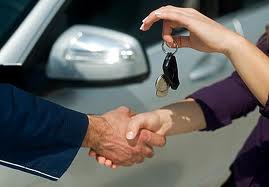 Selling or trading in your used can seem like a big load off your mind once the transaction is completed.
But even after checking the trunk and under the seats for any valuables you don’t want to leave behind before saying goodbye to the car, there’s a spot your likely to forget about: the car’s internal computer.
Your personal information — home address, address book and personal documents, among other things — could all be stored on a car’s hard disk drive or the in-dash GPS device and could stay there after you’ve sold the car.
Have you ever synced your phone to the car’s computer so you can listen to music or look up a friend’s telephone number and call them without touching the phone? Or hit “home” on the GPS to give you directions home?
Unless that information is erased, it will stay in the car and could easily be called up by the next driver, says Scott Greene, CEO of Evidence Solutions, a forensic expert firm.
Every vehicle should have its own reset for all of the memory components in the car, but if yours doesn’t, the best way to erase the information is to go to your car dealer and watch them do it, Greene says.
Some cars have a hard drive in the dash, he says, and memory chips to keep a record of everything you do electronically, including text messages and calls. A USB connector can also be plugged into the slot in the armrest to sync data from a smartphone to the car.
“If you never sync then you’re probably OK,” Greene says, although if you make phone calls while the phone is connected to the car, your address book could be stored in the car.
During syncing with a phone, the car’s computer is less likely to take website information, such as banking data, he says. However, your banking information could be vulnerable if you keep it in your phone’s address book, which is commonly shared to a car’s computer.
For someone working in the home health care field, for example, they could unknowingly be storing HIPAA data, or private health information, in their vehicle, Greene says.
Along with selling your car to a stranger who could have access to your personal data if it isn’t wiped clean, there’s the possibility that your car could be stolen and a thief could have access to sensitive information that can’t be erased remotely, Greene says.
An automatic garage door opener can also be synced to a car’s in-dash HomeLink system, allowing the new driver to get into your garage after they find your home stored on the GPS.
If your car dealer won’t wipe out the data, how do you do it yourself? The car’s touchscreen navigation system should have an option to return the onboard computer to factory settings, which will wipe out all personal settings. Also, a Bluetooth phone can be “unpaired” from a car to remove contacts and messages.
Changing the garage door opener’s code may be the most simple. Most only require pressing two buttons to reset the code, and the owner’s manual for your car or garage door opener will have instructions.
Aaron Crowe is a journalist who covers the auto industry for CheapCarInsurance.net.
By Aaron Crowe
Flying cars are the norm in science fiction movies. From Luke Skywalker’s Land Speeder that hovered just a foot or so off the ground, to the flying cars in “Blade Runner,” getting around traffic on the ground by going airborne is common in futuristic movies.
But such futuristic cars, and others that don’t perform such stunts as flying, are more than just dreams in films.
Manufacturers from Volkswagen to flying car maker Terrafugia have plans for such cars that go beyond the concept cars that carmakers throw before the public every year to showcase new, radical designs and technology that may or may not make it to the roadway some day.
Don’t expect every futuristic-looking car you see to be available for sale. Some may not go beyond the planning stage because they’re too expensive for consumers, don’t work after more testing, or don’t meet federal safety guidelines.
With our optimist’s glasses on, here are three futuristic cars to look forward to, followed by some that are closer to reality. We can’t say if the manufacturers are going to follow through with production, but it’s fun to at least see what they’re considering:

Volkswagen Hover Car: The company got 119,000 ideas for future VWs when it launched the “People’s Car Project” in China in 2011, leading it to unveil the Hover Car concept vehicle. Watch the video for a fun look at how this wheel-less pod that uses electromagnetic levitation to float just above the road looks in motion.
The hover car has a joystick instead of a steering wheel, auto-pilot function, voice commands and a safety sensor to avoid collisions. It doesn’t use gas and has zero emissions, using magnetic fields as power.
The company admits that its plans for producing the car are still being considered.

Terrafugia’s TF-X flying car: The American company Terrafugia is still developing another flying car called “Transition,” which has wings and takes off at an airport, but the TF-X takes off and lands like a helicopter with tilt-rotors.
Terrafugia says that a megawatt of power is needed to raise the car off the ground, when the rotors will shift forward. A 300 horsepower engine will power it up to 200 mph for an estimated 500 miles, carrying four passengers.
It will have an automatic pilot of sorts in flying mode to avoid collisions, fly in poor weather and automatically land it.
Don’t expect to see these in the air soon. Terrafugia expects development to last eight to 12 years, and to be at the high-end of the luxury car price at $500,000 or more.

Hover vehicles from Aerofex: The California company is working on aerial vehicles that would hover like the speeder bikes in “Return of the Jedi.” They would be as intuitive as riding a bike and could be used to patrol borders without first constructing roads, for example.
Aerofex says on its website that it is “flying a proof-of-concept craft developed as a test-bed of manned and unmanned technologies.” The company’s videos are pretty amazing.
Manned versions aren’t immediately planned, with unmanned drones set as a test platform: heavy-lift robotic machines that could work in agricultural fields, or deliver supplies to search-and-rescue teams in rough terrain.
Hovercars are fun to consider, but the reality of futuristic cars will likely be different, says Ed Hellwig, automotive editor at future car specialist at Edmunds.com.
“Although it’s fun to imagine a world full of hover cars that could glide effortlessly over crowded highways, the reality is much more practical,” Hellwig says.
“Cars of the future will likely focus on refining the elements of the cars we drive now, rather than completely revamp the entire experiences,” he says.
Hellwig offers three examples:

Volkswagen XL1: This soon-to-be-produced two-seater takes fuel mileage to the extreme, Hellwig says. It uses an ultra-exotic carbon fiber body to reduce weight and a diesel-electric hybrid drivetrain for power. The result is a road going car that can get upwards of 200 mpg.

Toyota i-Road: This two-seat vehicle is a cross between a car and a motorcycle. It combines a very small footprint with an electric drivetrain to create a vehicle that could fit in space that cars couldn’t.

Peugeot Onyx: This supercar concept not only has a hybrid drivetrain, it uses various recyclable materials in its construction, Hellwig says. The felt-lined cockpit is surrounded by a dashboard made from recycled newspaper. It was designed to show that even the most exotic sportscars can still be made environmentally conscious.
And lastly, we have a fun hover car that is being used in the real world by at least one driver: professional golfer Bubba Watson’s hover car. It’s probably the biggest golf car you’ve ever seen, but it travels light and can go across ponds and on greens.
Aaron Crowe is a journalist who covers the auto industry for CheapCarInsurance.net.
By Aaron Crowe
 Insurance company websites are easier for auto insurance policyholders to use for service than for potential customers to shop for a policy, according to a recent study.
The J.D. Power & Associates 2013 Insurance Website Evaluation Study found that requesting a quote and finding policy information are the two most difficult tasks among online shoppers. Finding company contact information is the easiest task to perform.
In the servicing part of the study, the easiest task for policyholders is paying bills. Printing or requesting a replacement insurance ID card and adding a driver or vehicle to a policy were marginally more difficult.
Only 16% of customers with a negative website experience say they’d recommend the company’s website to others.
While price is significant in a shopper’s decision, a positive website experience may still influence customers, the study found. A higher rated site in the study that also offers a lower price quote tends to close a shopper’s business a majority of the time — 90% — as expected.
But a higher rated site that provides a higher quoted price still closes a majority of the time — 60% — the study found.
Jenni Gritti, who works at a public relations firm, says she and others in their late 20s buy insurance online so they don’t have to deal with common problems when buying it in person or over the phone.
“Depending on the company, sometimes people upsale, have no clue as to what they are doing, take too long, have conventional hours that I don’t keep,” Gritti says.
“The ease of navigating through policies was great,” she says of her online shopping experience at Ensurance.com, adding that she found navigating the site, purchasing and paying bills online incredibly easy.
More than half of all insurance shoppers use the Internet to find options, and many further seek to obtain quotes online, says Jeremy Bowler, senior director of the global insurance practice at J.D. Power & Associates.
“Since policy shopping frequently includes the tasks of finding policy information and requesting a quote, it is understandable that customers who did not find those tasks to be particularly easy tend to abandon one brand in favor of others, often providing a low rating for that site,” Bowler says in a statement.
And when customers find it easy to view their policies, change contact information and other servicing tasks online, they’re more likely to return to the site and recommend the website and insurer to their friends and colleagues, the study found.
“Since customers indicate that finding contact information is easier than requesting a quote, at least some of them will use that contact information to obtain quotes by other means, such as contacting a company’s call center,” Bowler says.
“The cost of using human resources to address these questions and requests is much higher than an automated system on a website, which means that companies may be able to realize savings by improving the process through which shoppers request quotes online,” he says.
Among the 20 websites included in the study, Esurance, Progressive and Geico performed particularly well in the ease of use for both shopping and servicing with their websites.
Diane Comeau, who works in marketing in Massachusetts, says she switched from Allstate to Geico after finding Geico’s website much easier to navigate than Allstate’s. Reviewing her auto policy and paying the bill online was easy at Allstate, but comparing insurance options was difficult, Comeau says.
She switched to Geico partly because it was cheaper, but also because its website was easier to navigate and was intuitive, with options popping up when she was searching for particular items.
“On Geico, I was able to actually ‘create’ my ideal policy whereas on Allstate, you had to select from previously determined options,” she says. “Geico was a breeze to pay my bill online and support was excellent, in so far as answering questions in a prompt manner and with the exact information I needed.”
Comeau, who expects to return to Geico, is indicative of online insurance customers. Sixty-eight percent of customers in the study who had a positive experience say they “definitely will” return to the website, compared to 21% who had a negative experience.
By Aaron Crowe
A 1989 California law that requires insurers to get approval from state officials for rate hikes has resulted in California being the only state to see rates drop during that time.
Between 1989 and 2010, while every other state saw substantial increases in auto insurance expenditures, California drivers saw their insurance costs drop 0.3% without adjusting for inflation, according to an analysis by the Consumer Federation of America.
Nationally, Americans spent $791 for auto insurance coverage in 2010, or $240 — 43% — more than they did in 1989, according to the CFA analysis of data from the National Association of Insurance Commissioners. Californians spent an average of $746 for the same coverage in 2010, or $2 more, than in 1989.
During that time, 37 states saw larger increases than the national average. Eight states and the District of Columbia saw increases smaller than the national average, but still saw increases of more than 25%. Four states had increases of less than 20%.
California’s drop is attributed to the state’s strong oversight of the insurance industry created by passage of Proposition 103 in 1988, when California’s insurance rates were the third highest in the nation and 36% higher than the national average.
“No other state has put in place the kind of strong oversight that California voters created in 1988, and no other state has seen auto insurance prices decline,” says J. Robert Hunter, insurance director for CFA, in a statement. “In California, as a result, Proposition 103 drivers are paying less for car insurance today than they were 25 years ago.
The law created a “prior approval” system of regulation for most lines of insurance in California. Insurance companies must present any rate change plan to the Department of Insurance and can’t raise rates or make other changes without authorization from the state Insurance Commissioner.
Insurance company data and proposals are made entirely public, allowing for much more scrutiny than other states, according to the CFA.
Another benefit of the law is that consumers and consumer groups can request a hearing at the Department of Insurance on improper insurance company rates or practices, and they’re automatically granted a public hearing for large increases.
“California’s version of prior approval regulation includes additional protections that have made the state’s insurance system much more effective than any other states’ systems,” Hunter says.
Now, more than 20 years later, California’s auto insurance rates are lower than 20 states, and 6% lower than the national average.
The four states with less than a 25% increase in auto insurance expenditures from 1989 to 2010 are: Hawaii at 13.7% more, New Hampshire at 15.9%, New Jersey at 17.7%, and Massachusetts at 22.3%.
The top five states with the highest percentage change during that time were: Nebraska at 108.1%, Louisiana at 96.1%, Montana at 95.4%, Wyoming at 95.1%, and Kentucky at 92.3%.
Below is a chart provided by CFA on percentage change in auto insurance expenditures from 1989 to 2010.

By Aaron Crowe
 Texting and driving isn’t banned in Hawaii, but travel 3,000 miles north to Alaska, and it’s a misdemeanor punishable by a fine of up to $10,000 and a year in prison.
That’s the biggest discrepancy between states in texting punishments. Most states fine drivers for texting from $20 to $100 or so, according to an analysis by DMV.com, a website that isn’t affiliated with any government agencies.
“I guess it’s just how serious they think the issue is,” says J.P. Zeni, the website’s owner, on why states differ so much in how much they fine offenders.
Bans also differ by state on the use of hand-held devices — which states such as California allow if the phone is hands-free — and on banning all passengers from texting.
Texting while driving is the leading cause of death among teens — killing 11 teens per day — overtaking drunk driving deaths among teens, according to a recent study by the American Academy of Pediatrics.
Texting is responsible for nearly 25% of all car accidents and 330,000 injuries per year, making drivers 23 times more likely to crash.
Four states don’t ban it at all: Hawaii, Arizona, South Carolina and Montana. A few ban only young drivers: Missouri bans drivers younger than 21; and Mississippi, New Mexico, Oklahoma, South Dakota and Texas either ban learner’s permit and provisional license holders, or drivers under 18.
The rest of the country bans texting while driving for all drivers, with fines ranging from $20 in California to $750 in Utah. In Alaska, killing someone while texting and driving is a felony punishable by up to $250,000 in fines and 20 years in prison.
There isn’t a national standard and it’s unlikely there will be one, says John Bowman, a spokesman for the National Motorists Association, a drivers’ rights organization.
“In once sense, it would be helpful if there were a national standard in place since drivers who travel a lot would know what to expect from one state to the next,” Bowman says. “However, the chances of ever putting a national standard in place are pretty slim, since the federal government generally leaves traffic enforcement up to the states.”
Bans have been shown to be ineffective, he says, citing a report by the Highway Loss Data Institute that focused on texting laws in California, Minnesota, Washington and Louisiana, and found that the laws didn’t lower insurance claims related to car accidents, but increased them.
“Rather than focusing more on laws and more enforcement, the NMA would like to see more emphasis put on public education that covers all types of distracted driving,” Bowman says. “This is the kind of initiative that could be rolled out nationwide with many positive safety benefits.”
Walking while using a cellphone is difficult enough, and using one while trying to be aware of all of the other distractions while driving is too difficult for the best multi-taskers, says Steve Dziadik, who owns a driving school in Florida.
“It’s not the obvious that you think of,” Dziadik says of distractions while driving. “Very often it’s many of the things that you do.”
They include looking for stores while driving, having ketchup from a hamburger you’re eating drop in your lap, or turning to talk to a passenger in the back seat — anything that takes a driver’s eyes off the road.
Dziadik says he teaches student drivers how to be aware of their surroundings and to identify everything that can be a problem: a pedestrian at a corner, kids playing basketball, blind spots and everything else on the road.
No text or voice message is as important as driving safely, says Dziadik, who recommends putting a phone on silent mode, pulling to the side of the road to use it, or putting it in the trunk.
“If you can leave your phone home, do it,” he says.
Below is a chart regarding texting while driving laws:
| State | Penalty | Ban | Demerit Points |
|---|---|---|---|
| Alabama | $25 fine | All drivers |
2 |
| Alaska | $10,000 fine and one year in prison | All drivers | |
| Arizona | No ban | ||
| Arkansas | $100 fine and 10 days in prison | All drivers | |
| California | $20 fine | All drivers | |
| Colorado | $50 fine | All drivers |
1 |
| Connecticut | $100 fine | All drivers | |
| Delaware | $50 fine | All drivers | |
| D.C. | $100 fine | All drivers |
1 |
| Florida | $30 1st time / $60 2nd | Secondary Offence | |
| Georgia | $150 fine | All drivers | |
| Guam | $100 fine | All drivers | |
| Hawaii | No ban | ||
| Idaho | $81.50 | All drivers | |
| Illinois | $75 fine | All drivers | |
| Indiana | $35.50 fine | All drivers | |
| Iowa | $30 fine | All drivers | |
| Kansas | $60 fine | All drivers | |
| Kentucky | $25 fine plus surcharge fees | All drivers | |
| Louisiana | $175 fine | All drivers | |
| Maine | $250-500 fine | All drivers | |
| Maryland | $500 fine | All drivers | |
| Massachusetts | $100 fine | All drivers | |
| Michigan | $100 fine | All drivers | |
| Minnesota | $135 fine | All drivers | |
| Mississippi | $500 fine | School bus drivers, learner’s permit and provisional license holders | |
| Missouri | $20.50 fine | Drivers younger than 21 | |
| Montana | No ban | ||
| Nebraska | $200 fine | All drivers |
3 |
| Nevada | $50 fine | All drivers | |
| New Hampshire | $100 fine | All drivers | |
| New Jersey | $100 fine | All drivers | |
| New Mexico | Drivers younger than 18 or with learner/provisional license | ||
| New York | $235 fine | All drivers |
3 |
| North Carolina | $100 fine plus surcharge fees | All drivers | |
| North Dakota | $100 fine | All drivers | |
| Ohio | $150 fine | All drivers | |
| Oklahoma | $100 fine | Learner’s permit or intermediate license holders | |
| Oregon | $250 fine | All drivers | |
| Pennsylvania | $50 fine | All drivers | |
| Puerto Rico | $50 fine | All drivers | |
| Rhode Island | $85 fine | All drivers | |
| South Carolina | No ban | ||
| South Dakota | Learner’s permit or intermediate license holders | ||
| Tennessee | $50 fine | All drivers | |
| Texas | Drivers younger than 18 | ||
| Utah | $750 fine plus 90 days in prison | All drivers | |
| Vermont | $156 fine | All drivers |
2 |
| Virgin Islands | All drivers | ||
| Virginia | $20 fine | All drivers | |
| Washington | $124 fine | All drivers | |
| West Virginia | $100 fine | All drivers | |
| Wisconsin | $20-$400 fine | All drivers |
4 |
| Wyoming | $75 fine | All drivers |
Data provided by DMV.com
By Michelle Mears-Gerst
 Technological advances in vehicle anti-theft devices are making it harder for thieves to target newer model cars making older models a target. Recent studies from the National Insurance Crime Bureau show an upswing in older cars stolen.
The top five cars that are predicted to be the most popular among thieves in 2013 are the Honda Accord, Honda Civic, Ford Pickup, Toyota Camry, and the Dodge Caravan.
The Honda Accord is very reliable and holds its value making it a popular car among buyers and thieves. The same goes for the Honda Civic, which has been redesigned and is in high demand. Thieves like the sedans for their parts because they break the car down and sell the hard to find pieces.
Ford Pickups are popular among thieves because it has made minimal changes over recent years and out sells it competitors. The popularity of the truck also means its parts are in high demand.
The Camry is a popular midsize sedan that gets greats gas mileage. Like the Accords the reliability of the Camry makes it a hot target among thieves.
In Cleveland Ohio, soccer moms and dads beware the Dodge Caravan is a thieves dream. According to the Cleveland Police crime statistics, close to 330 Dodge Caravans were stolen in 2012, which is 143 more than the second most popular vehicle stolen in the Rock N Roll Hall of Fame city.
Thieves are drawn to vehicles that are popular among consumers, have marketable parts, and blend in on the roadways, according to LoJack Corp.
For those who own an older model car especially one on the hot list for thieves there are ways to protect the car from being stolen or to recover the car before it is dissembled. There are new license-plate recognition (LRP) technology that are great at catching car thieves. Cameras with LPR technology can be mounted on tow trucks and other vehicles and scan millions of plates a month. Police are also fighting back by baiting thieves with laptops or other electronics in the car that have a GPS-tracking device.
Consumers can take steps to help keep their vehicles safe. According to both the LoJack Corp. and the International Association of Auto Theft Investigators (IAATI) consumers should take a multi-layered theft prevention approach by using common sense like not leaving the keys in the car, using an alarm, immobilization devices, or installing a tracking/recovery system. If the keys are left in the vehicle and it is stolen insurance companies may not cover the car because it could be considered driver negligence.

